Florida’s Insurance Shake-Up: New Reforms, Familiar Storm Clouds
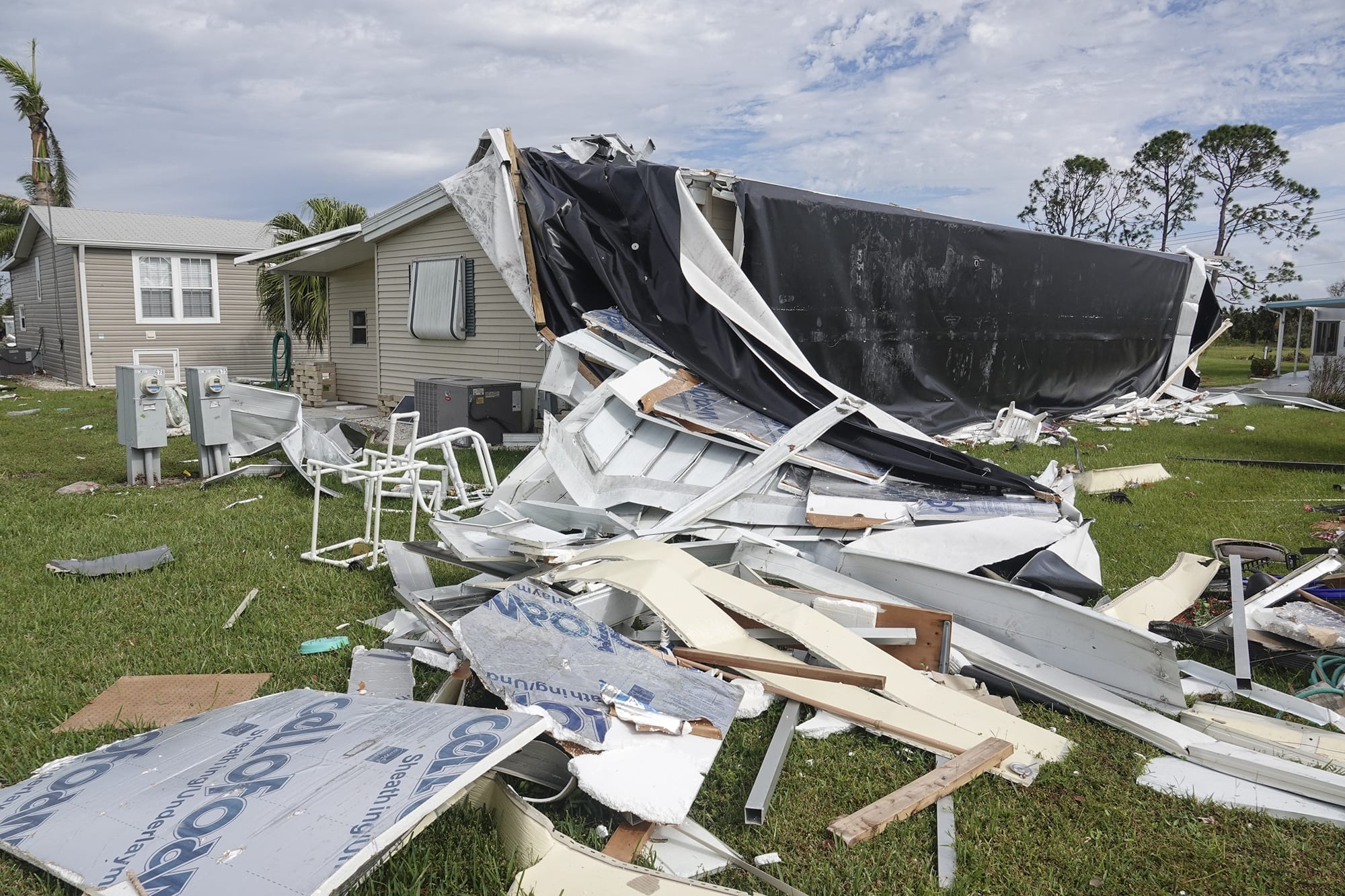
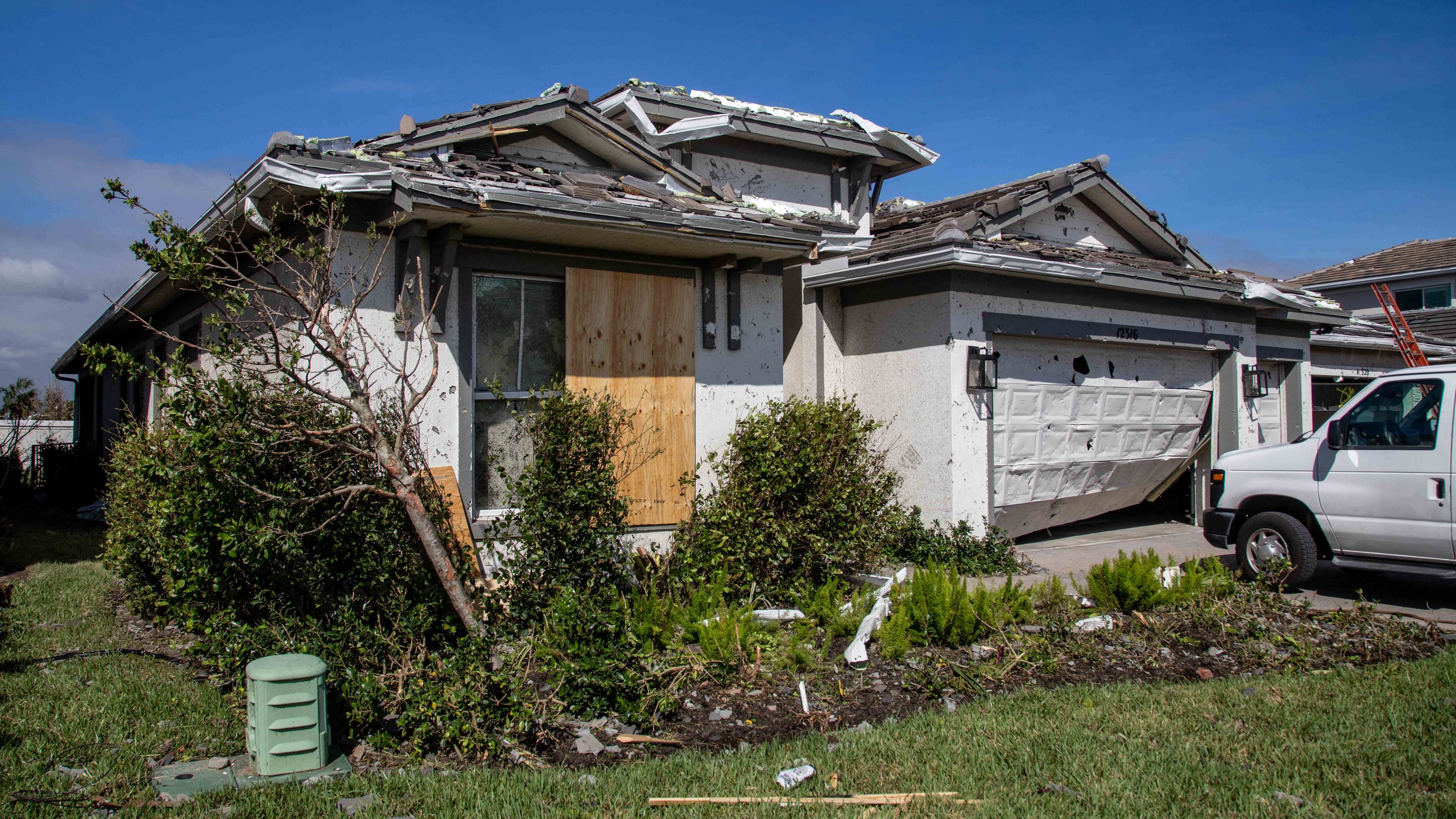
Florida’s home insurance market continues to operate under a haze of uncertainty—despite high‑profile reforms intended to stabilize it. New analysis suggests that while policies have changed on paper, deeper structural vulnerabilities remain untouched. For homeowners, real estate professionals, and insurance licensees, this unfolding situation is more than a political storyline—it’s a direct look into the future of property risk, affordability, and regulation in the Sunshine State.
A Cycle Repeating Itself
Gov. Ron DeSantis’s 2022 reforms were described as transformative, but according to reporting from
The American Prospect,
the playbook looks familiar. The strategy echoes the post–Hurricane Andrew era: incentivize small, lightly capitalized insurers, shift risk away from state‑backed pools, and hope the private market settles.
But hope is not a strategy.
The Insurance Fairness Project argues that the state has recreated “many of the same conditions that left homeowners exposed in the last crisis,” including undercapitalized insurers, high denial rates, and unstable financial ratings behind the scenes.
Depopulation of Citizens: A Push Into Higher Risk
In 2023, Florida accelerated the depopulation of Citizens, its insurer of last resort. If a private insurer offers a premium within 20% of a Citizen’s policy, the homeowner is automatically moved—regardless of the private company’s financial health.
Roughly 355,000 homeowners have already been shifted into private coverage, many paying more for carriers with questionable histories. Regulators approved over a dozen companies to absorb these policies, though several have troubling pasts.
Insurers with troubled pasts
• Viceroy Preferred Insurance, linked to Monarch National—recently fined $325,000 for mishandled claims.
• Patriot Select Property & Casualty, born from insolvent Anchor Insurance.
• Apex, with roots in the historically insolvent Interboro Mutual Indemnity Insurance Company.
Ratings Agencies Under Scrutiny
Many newly approved insurers receive strong ratings from Demotech, a ratings agency that is paid by the insurers it evaluates. Meanwhile, Weiss Ratings—fully independent—reported that
14 Florida insurers closed more than 50% of homeowner claims with zero payout in 2024.
Slide Insurance, for example, received an “A” from Demotech but a “C‑” from Weiss. Investigations by The Wall Street Journal have shown that Demotech‑rated companies fail at dramatically higher rates than those reviewed by major global agencies.
Why ratings matter
Mortgage lenders require approved insurance carriers. If these insurers collapse, homeowners face policy cancellations, forced‑placed insurance, or sudden premium spikes during peak hurricane seasons—turning bad days into worse ones.
Money, Politics, and Oversight
Executive compensation in certain companies has triggered criticism. At Slide Insurance, top executives earned tens of millions while owning luxury estates described as “massive modern masterpieces.”
Meanwhile, policyholders fought uphill battles just to receive fair claim payouts.
Political contributions also play a role. Slide’s leadership donated more than $26,000 to committees supporting DeSantis and former CFO Jimmy Patronis, sparking concerns about how deeply the insurance industry influences regulation.
The Need for a Complete Insurance Overhaul
As highlighted by
a Tampa Bay Times investigation,
state regulators have struggled to maintain transparency, including allegations that critical reports exposing insurer profits were suppressed.
Industry experts argue Florida needs a complete rebuild—not tweaks, not patches. That includes consolidating oversight, enforcing stricter transparency, and redefining how financial risk is assessed across the state.
What experts say must change
• Strengthen oversight of ratings agencies.
• Align land use, building codes, and disaster planning.
• Increase accountability for claim denials.
• Rebuild the insurance market framework entirely.
Why This Matters for Real Estate and Insurance Professionals
Whether you’re a Realtor, insurance adjuster, mortgage professional, or someone pursuing licensure, understanding Florida’s insurance volatility is essential. Insurance costs influence property values, closing timelines, and the overall stability of the real estate market.
For those expanding their careers or entering the field, institutions like Cameron Academy continue to offer industry‑leading education that empowers professionals to navigate Florida’s evolving landscape with confidence and clarity.
Source Spotlight
This article draws narrative inspiration and research from The American Prospect.
Read the original report here:
New Reforms, Same Old Florida Home Insurance Market
.