Florida’s Insurance Wake‑Up Call: Why Reading Your Policy Might Matter More Than You Think

Storm debris in a florida neighborhood

If you’ve ever treated your insurance policy like a sleeping aid that kicks in right around page two—don’t feel bad. Even Florida’s own Insurance Commissioner jokes that most people, including industry pros, haven’t actually read the entire thing. But in a hurricane‑prone state like Florida, skipping the fine print can cost homeowners far more than they expect.

According to the latest reporting from the Herald-Tribune, tens of thousands of Floridians discovered this the hard way after recent hurricanes—many learning only after filing a claim that what they thought was covered… wasn’t.

The Biggest Surprises Hidden in Your Policy

  • Many homeowners don’t realize their policy has caps on water damage.
  • Flooding—yes, even during a hurricane—is not covered by hurricane insurance.
  • Over 100,000 claims from recent hurricanes were denied or closed without payment.
  • Rates may be stabilizing, but total premiums keep rising due to replacement‑cost increases.

Legal experts and insurance agents across Florida agree on one thing: most residents only look at the price tag. If it satisfies the lender and doesn’t break the bank, they sign—usually without knowing what protections they’re giving up.

When Hurricanes Hit, the Fine Print Hits Harder

Here’s the shocker: after Hurricane Milton, 34% of all claims were closed without payment. After Helene, even more claims were denied than paid. And once the state began tracking flood‑related denials, it became painfully clear that many homeowners didn’t know they lacked flood insurance.

And that’s where the biggest misconception lies: homeowners assume “hurricane damage” includes storm surge, even though surge is considered flooding—a completely separate policy.

You usually don’t discover that fact until page three of your policy… long after the sleepiness kicks in.

Agents Say Policies Are Still Too Hard to Read

Insurance agents themselves admit the documents are dense. Even with legislative changes—like requiring deductibles to be displayed in 18‑point bold type—there’s still plenty of confusing jargon tucked throughout the remaining 150+ pages.

Some policies now include a managed repair clause, meaning your insurer chooses the contractor. Other common pitfalls include limited water‑damage endorsements that cap payouts at $10,000—far less than the cost of repairs in most real‑world scenarios.

Floridians Are Still Feeling the Cost Crunch

Even though the state reports that insurance rates are stabilizing, homeowners don’t feel the relief. Many have switched insurers multiple times in just a few years, all while watching premiums climb faster than their paychecks.

Public surveys confirm this: since 2021, property insurance has consistently been one of Florida’s top concerns, rivaling even housing affordability.

Why This Matters for Real Estate Professionals

Understanding insurance policies isn’t just important for homeowners—it’s essential for real estate agents, mortgage professionals, and anyone guiding clients in Florida’s unique market. A buyer who believes their home is fully protected may be shocked later, and that shock often gets redirected toward agents, lenders, or closing teams.

That’s why education matters more than ever. At professional training leaders like Cameron Academy, students gain practical insight into explaining policy nuances—empowering both seasoned professionals and newcomers to guide clients confidently.

The Bottom Line

Whether you’re a homeowner, real estate expert, or simply someone living in the Sunshine State, one thing is clear: now is the time to dust off that insurance policy and give it a closer read. A little clarity today could save you thousands after the next storm.

For the full original reporting, visit the Herald-Tribune.

More Articles

Getting licensed or staying ahead in your career can be a journey—but it doesn’t have to be overwhelming. Grab your favorite coffee or tea, take a moment to relax, and browse through our articles. Whether you’re just starting out or renewing your expertise, we’ve got tips, insights, and advice to keep you moving forward. Here’s to your success—one sip and one step at a time!

Why Today’s High Mortgage Rates Matter More Than Ever for the Housing Market

A growing share of American homeowners now carry mortgage rates above 5%—a dramatic shift that’s reshaping refinancing, inventory, and buyer behavior nationwide. With more than 30% of borrowers locked into rates over 5% and 20% above 6%, the market is split between owners holding on to low pandemic‑era loans and new buyers taking on higher‑rate mortgages. Federal efforts to push rates down could unlock millions of refinancing opportunities, while buyers see only modest monthly savings. For real estate professionals, understanding these rate dynamics is crucial as they increasingly drive inventory levels, affordability, and market activity.

CRE Deal Volume Dips in December, but Office Sector Stages an Unexpected Comeback

New Moody’s data shows commercial real estate deal volume slipped 20% in December, marking a second monthly decline. Yet the full year tells a different story: 2025 ended with a 17% gain, signaling a quiet but resilient recovery. The biggest surprise came from the office sector, which posted a 21% jump in activity as return‑to‑office trends and AI‑driven job growth boosted demand. Multifamily, retail, and alternative assets like data centers also saw strong momentum, giving real estate professionals a market full of fresh opportunities heading into 2026.

Florida Kicks Off 2026 With Major Auto Insurance Rate Cuts and Market Stability

Florida drivers and industry professionals are heading into 2026 with good news: auto insurance rates are dropping across the state as the market shows strong signs of stabilization. USAA leads the latest wave with a 7% average rate decrease expected in May 2026, saving members more than $125 million annually. They join several major insurers — including State Farm, Progressive, AAA, Allstate, and Florida Farm Bureau — all approving significant reductions. Officials credit recent legislative reforms, especially tort reform, for the improved loss ratios and renewed insurer confidence. With both auto and home insurance markets strengthening, Florida’s real estate, mortgage, and insurance professionals can expect more consumer confidence, smoother transactions, and expanding career opportunities.

The 2024 Housing Shortage: Why America Is Still 1.2 Million Homes Behind

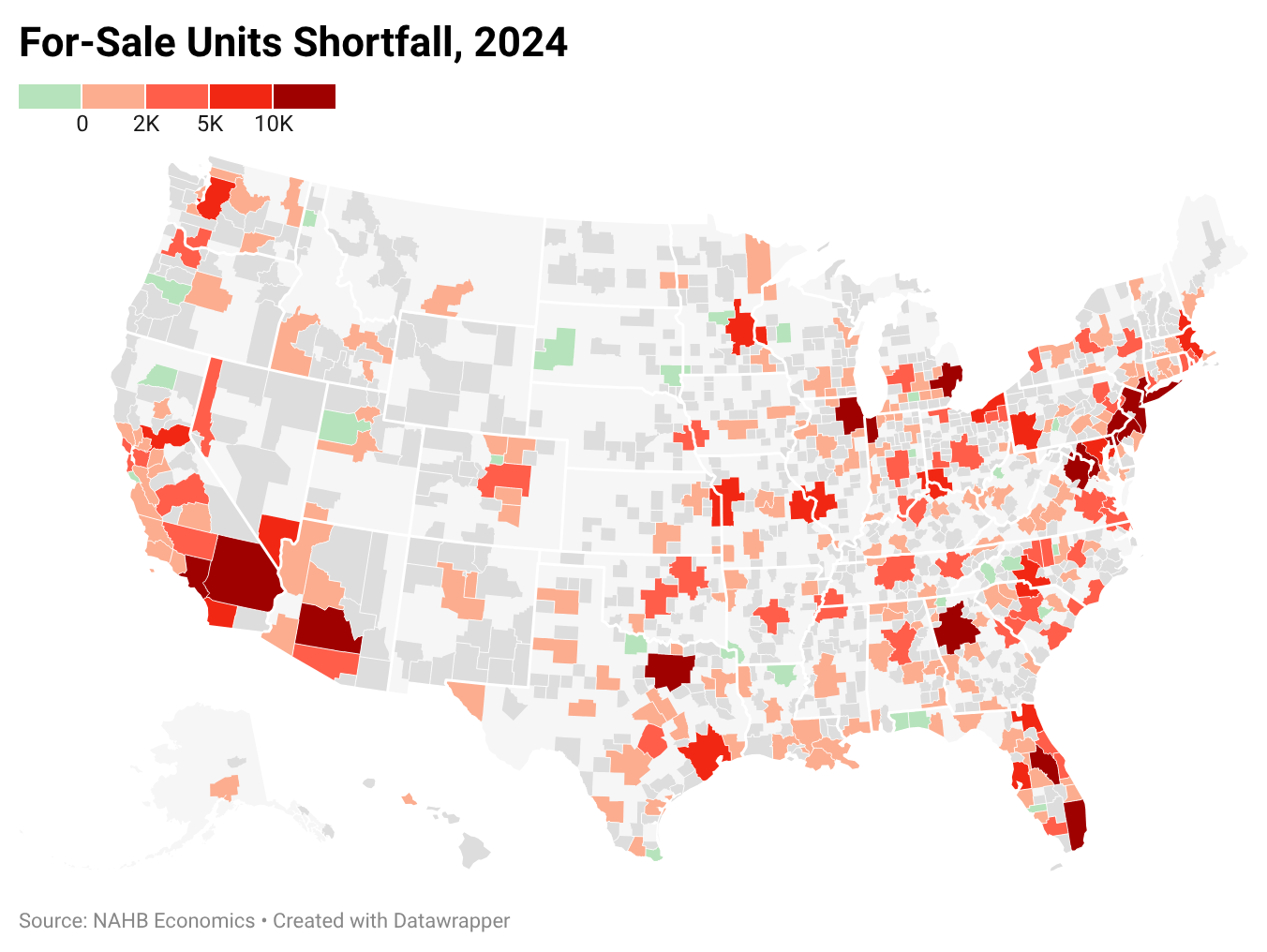
New data from Eye On Housing and the NAHB shows the U.S. remains short more than 1.2 million housing units, keeping pressure on both rents and home prices. Record‑low vacancy rates, slow single‑family construction, and restrictive zoning continue to fuel intense competition in 2024. Major metros like Chicago, New York, and Atlanta face some of the deepest deficits, and the true nationwide shortfall may be even higher when accounting for overcrowding and aging homes. For real estate professionals, the ongoing shortage means sustained demand, tighter inventory, and major opportunities for those who understand the evolving market.

AI Isn’t the Shiny Object Anymore — It’s the New System Driving Real Estate Success

Top real estate coach Jason Pantana says the divide between agents today isn’t about who has “tried” AI — it’s about who is immersed in it. In a new HousingWire interview, he explains why AI isn’t a gimmick but a full business system that amplifies output, improves authenticity, and reshapes how clients search for agents. From prompt mastery to AI‑driven visibility on Google, Pantana reveals how agents who commit even 15 minutes a day to learning AI are already outperforming those who hesitate.

DFW Commercial Real Estate 2025: Industrial Surges, Retail Shines, Office Struggles

Dallas–Fort Worth’s commercial real estate market closed 2025 with a split personality. Industrial dominated with massive new deliveries and soaring leasing demand, retail held steady with some of the market’s strongest fundamentals in years, and office continued to falter under remote‑work pressures. High vacancies, weak absorption, and rising demand for top‑tier space show the sector’s ongoing reset. Meanwhile, industrial and retail strength position the Metroplex for another powerhouse year heading into 2026.