Florida’s Insurance Wake‑Up Call: Why Reading Your Policy Might Matter More Than You Think
If you’ve ever treated your insurance policy like a sleeping aid that kicks in right around page two—don’t feel bad. Even Florida’s own Insurance Commissioner jokes that most people, including industry pros, haven’t actually read the entire thing. But in a hurricane‑prone state like Florida, skipping the fine print can cost homeowners far more than they expect.
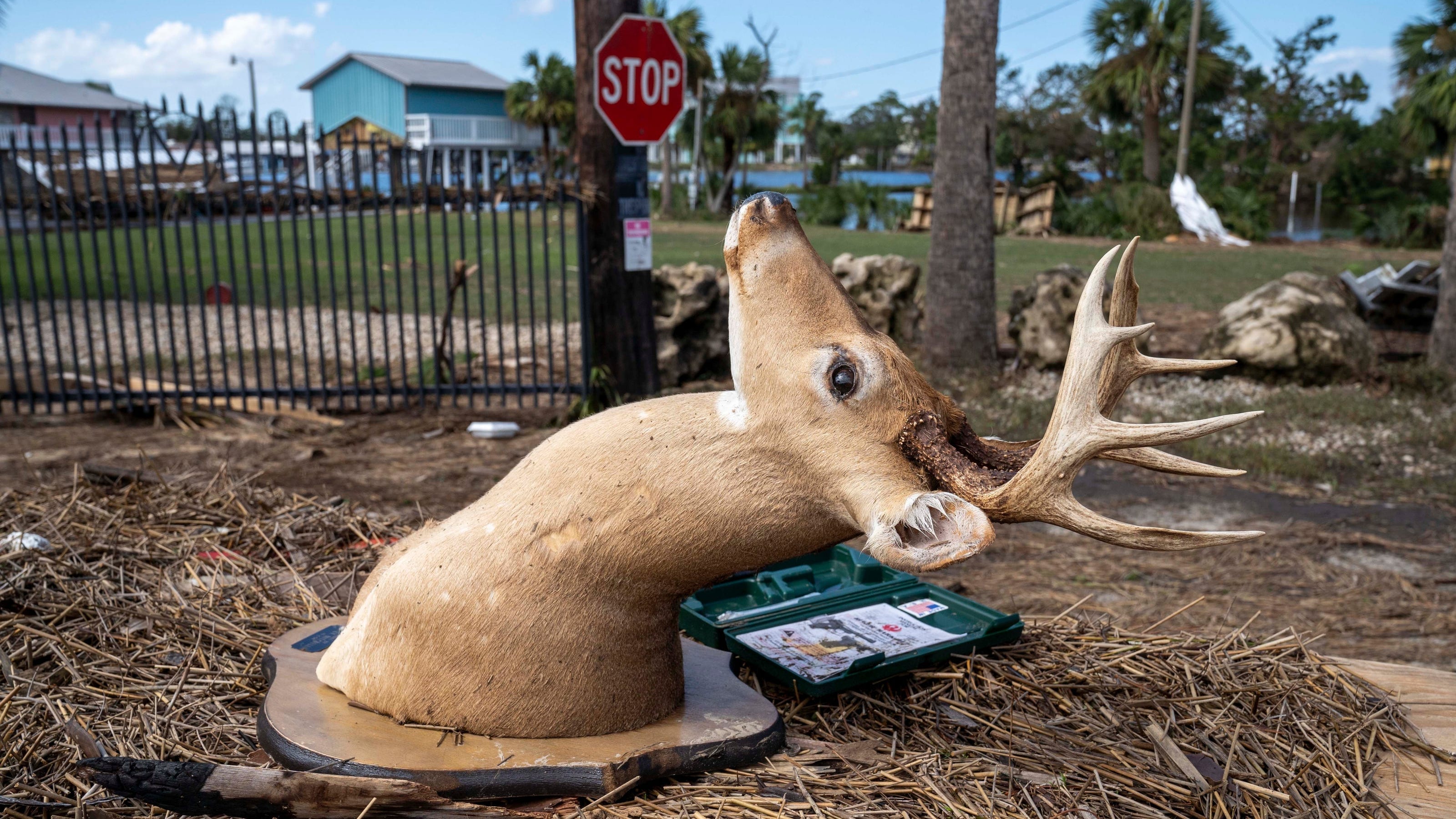
According to the latest reporting from the Herald-Tribune, tens of thousands of Floridians discovered this the hard way after recent hurricanes—many learning only after filing a claim that what they thought was covered… wasn’t.
The Biggest Surprises Hidden in Your Policy
- Many homeowners don’t realize their policy has caps on water damage.
- Flooding—yes, even during a hurricane—is not covered by hurricane insurance.
- Over 100,000 claims from recent hurricanes were denied or closed without payment.
- Rates may be stabilizing, but total premiums keep rising due to replacement‑cost increases.
Legal experts and insurance agents across Florida agree on one thing: most residents only look at the price tag. If it satisfies the lender and doesn’t break the bank, they sign—usually without knowing what protections they’re giving up.
When Hurricanes Hit, the Fine Print Hits Harder
Here’s the shocker: after Hurricane Milton, 34% of all claims were closed without payment. After Helene, even more claims were denied than paid. And once the state began tracking flood‑related denials, it became painfully clear that many homeowners didn’t know they lacked flood insurance.
And that’s where the biggest misconception lies: homeowners assume “hurricane damage” includes storm surge, even though surge is considered flooding—a completely separate policy.
You usually don’t discover that fact until page three of your policy… long after the sleepiness kicks in.
Agents Say Policies Are Still Too Hard to Read
Insurance agents themselves admit the documents are dense. Even with legislative changes—like requiring deductibles to be displayed in 18‑point bold type—there’s still plenty of confusing jargon tucked throughout the remaining 150+ pages.
Some policies now include a managed repair clause, meaning your insurer chooses the contractor. Other common pitfalls include limited water‑damage endorsements that cap payouts at $10,000—far less than the cost of repairs in most real‑world scenarios.
Floridians Are Still Feeling the Cost Crunch
Even though the state reports that insurance rates are stabilizing, homeowners don’t feel the relief. Many have switched insurers multiple times in just a few years, all while watching premiums climb faster than their paychecks.
Public surveys confirm this: since 2021, property insurance has consistently been one of Florida’s top concerns, rivaling even housing affordability.
Why This Matters for Real Estate Professionals
Understanding insurance policies isn’t just important for homeowners—it’s essential for real estate agents, mortgage professionals, and anyone guiding clients in Florida’s unique market. A buyer who believes their home is fully protected may be shocked later, and that shock often gets redirected toward agents, lenders, or closing teams.
That’s why education matters more than ever. At professional training leaders like Cameron Academy, students gain practical insight into explaining policy nuances—empowering both seasoned professionals and newcomers to guide clients confidently.
The Bottom Line
Whether you’re a homeowner, real estate expert, or simply someone living in the Sunshine State, one thing is clear: now is the time to dust off that insurance policy and give it a closer read. A little clarity today could save you thousands after the next storm.
For the full original reporting, visit the Herald-Tribune.