Florida’s Legislative Response to Medicaid During COVID-19


In the midst of the COVID-19 pandemic, significant legislative measures have been enacted in Florida to address the challenges faced by Medicaid recipients. Since the onset of the national public health emergency on January 27, 2020, Medicaid eligibility protections have been a focal point, ensuring that recipients do not lose coverage during these trying times.
Medicaid Eligibility and Continuous Coverage
From March 2020 through the end of the federal public health emergency, no Medicaid terminations have occurred, except for individuals who voluntarily request it or are no longer state residents. This policy is in line with the Families First Coronavirus Response Act, which prohibits states from ending coverage for recipients enrolled as of March 18, 2020, if they opt for an enhanced federal Medicaid match. The Agency for Health Care Administration (AHCA) has been proactive in notifying recipients about the reinstatement of their benefits if they received termination notices during March 2020.
Moreover, the federal Centers for Medicare & Medicaid Services (CMS) have issued guidelines to protect various Medicaid eligibility groups, including former foster care youth and medically needy individuals.
Policy Adjustments and Notifications
In October 2020, the federal CMS introduced a new interim final rule, which slightly weakened the continuous coverage requirements. This rule allows states to limit coverage for certain groups and reduce optional benefits, although changes in Florida would require legislative amendments.
AHCA has reinstated redetermination and recertification processes, urging recipients to respond to review letters to maintain eligibility. However, Medicaid coverage will not cease during the public health emergency.
Extended Application and Service Adjustments
The application process for Medicaid was extended by 120 days for submissions filed in February 2020, although this policy was rescinded in July 2021. Additionally, the $600/week unemployment insurance payments under the CARES Act are excluded from income calculations for Medicaid eligibility.
Florida has also made efforts to ensure the coverage of medically necessary services related to COVID-19, including waiving prior authorization and copayment requirements for various services.
Vaccination and Transportation Initiatives
Governor DeSantis revised the vaccine distribution plan, making all Floridians eligible for COVID-19 vaccines by April 2021. Medicaid enrollees can access vaccines at no cost and utilize Medicaid transportation services to reach vaccination sites. The state has also implemented a system to deliver vaccines to homebound seniors.
Challenges for the Uninsured
Despite these efforts, Florida has not accepted federal funding to cover COVID-19 testing and treatment for the uninsured, leaving many to rely on a patchwork of free resources. The state advises uninsured individuals to seek testing at county health departments or federally qualified health centers.
Conclusion
The legislative measures taken by Florida during the COVID-19 pandemic highlight the state’s commitment to safeguarding Medicaid recipients while navigating the complexities of federal and state policies. As the public health emergency continues, these protections and adjustments remain crucial for the well-being of Florida’s residents.

More Articles

Getting licensed or staying ahead in your career can be a journey—but it doesn’t have to be overwhelming. Grab your favorite coffee or tea, take a moment to relax, and browse through our articles. Whether you’re just starting out or renewing your expertise, we’ve got tips, insights, and advice to keep you moving forward. Here’s to your success—one sip and one step at a time!

Is Florida’s Booming Real Estate Market Becoming Unaffordable?

Florida is facing a real estate crisis marked by skyrocketing insurance premiums, stringent FEMA rules, and a surge in hedge fund property acquisitions.

By |November 14, 2024|Categories: Article, Finance/Economy, Real Estate|Tags: , |0 Comments

Revolutionizing Cancer Therapy: The Promise of Patient-Derived Organoids

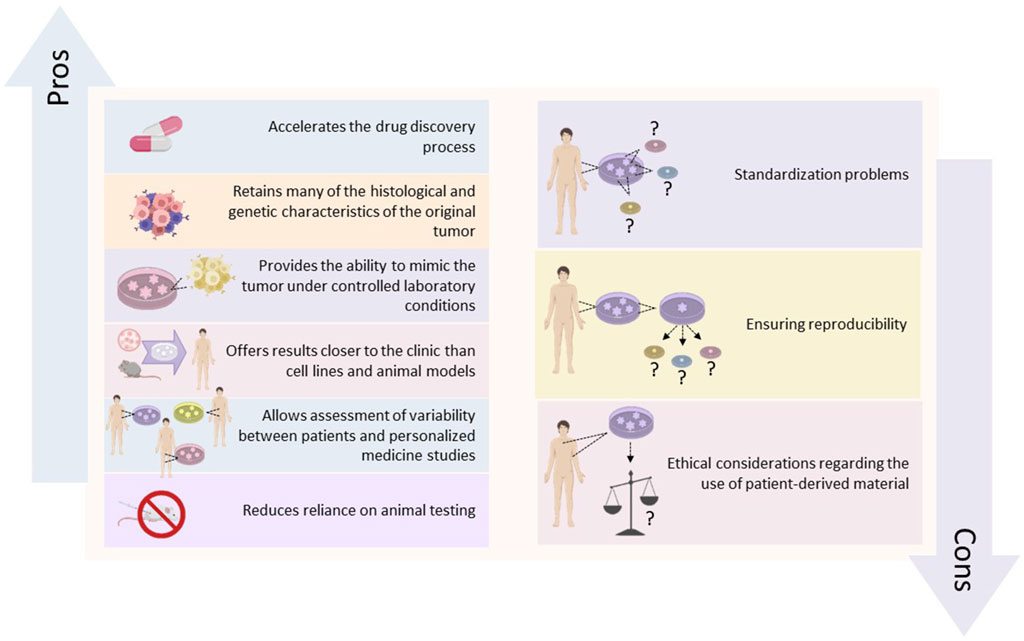
Patient-derived organoids offer an unprecedented opportunity to replicate the complex structure and genetic makeup of cancers, providing a more accurate model for clinical drug screening and pharmacognostic assessment.

The AI Revolution in Dermatology: A Systematic Review

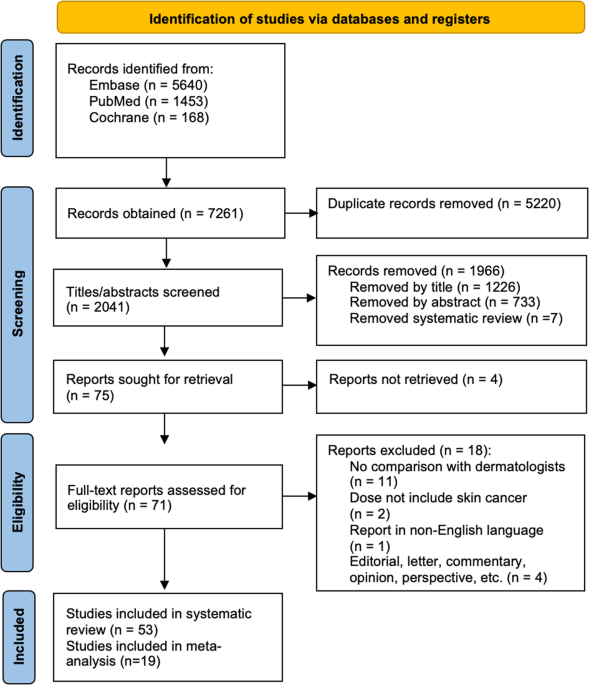
In a groundbreaking study published in Nature, researchers have delved into the burgeoning field of artificial intelligence (AI) in dermatology, specifically examining its role in diagnosing skin cancer. The study, titled "A Systematic Review and Meta-Analysis of Artificial Intelligence Versus Clinicians for Skin Cancer Diagnosis," offers a comprehensive look at how AI stacks up against human clinicians in this critical area of healthcare.

By |November 14, 2024|Categories: AI in Healthcare, Article, Dermatology|Tags: , |0 Comments

The Fast Lane to Fully Autonomous Vehicles: Industry Innovations and Future Prospects

The automotive world is abuzz with announcements from major players like Tesla, Rimac, Renault, and Nissan, each unveiling plans to introduce autonomous vehicles in the near future. Tesla's much-anticipated "CyberCab" is set for an October 2024 debut, while Rimac and Renault are gearing up for releases in 2026.

Futureproofing for Insurers: The Role of AI and Hyper-Personalization

In a rapidly evolving industry, insurance companies are turning to artificial intelligence (AI) and hyper-personalization to stay ahead of the curve.

Revolutionizing Healthcare: The Power and Potential of AI

AI technology offers a multitude of benefits, from enhancing patient outcomes to reducing healthcare costs and improving population health. Its application ranges from preventive screenings to complex diagnostic procedures, marking a new era in medical care.

By |November 13, 2024|Categories: Article, Artificial Intelligence, Healthcare|Tags: , |0 Comments