Florida’s Legislative Response to Medicaid During COVID-19


In the midst of the COVID-19 pandemic, significant legislative measures have been enacted in Florida to address the challenges faced by Medicaid recipients. Since the onset of the national public health emergency on January 27, 2020, Medicaid eligibility protections have been a focal point, ensuring that recipients do not lose coverage during these trying times.
Medicaid Eligibility and Continuous Coverage
From March 2020 through the end of the federal public health emergency, no Medicaid terminations have occurred, except for individuals who voluntarily request it or are no longer state residents. This policy is in line with the Families First Coronavirus Response Act, which prohibits states from ending coverage for recipients enrolled as of March 18, 2020, if they opt for an enhanced federal Medicaid match. The Agency for Health Care Administration (AHCA) has been proactive in notifying recipients about the reinstatement of their benefits if they received termination notices during March 2020.
Moreover, the federal Centers for Medicare & Medicaid Services (CMS) have issued guidelines to protect various Medicaid eligibility groups, including former foster care youth and medically needy individuals.
Policy Adjustments and Notifications
In October 2020, the federal CMS introduced a new interim final rule, which slightly weakened the continuous coverage requirements. This rule allows states to limit coverage for certain groups and reduce optional benefits, although changes in Florida would require legislative amendments.
AHCA has reinstated redetermination and recertification processes, urging recipients to respond to review letters to maintain eligibility. However, Medicaid coverage will not cease during the public health emergency.
Extended Application and Service Adjustments
The application process for Medicaid was extended by 120 days for submissions filed in February 2020, although this policy was rescinded in July 2021. Additionally, the $600/week unemployment insurance payments under the CARES Act are excluded from income calculations for Medicaid eligibility.
Florida has also made efforts to ensure the coverage of medically necessary services related to COVID-19, including waiving prior authorization and copayment requirements for various services.
Vaccination and Transportation Initiatives
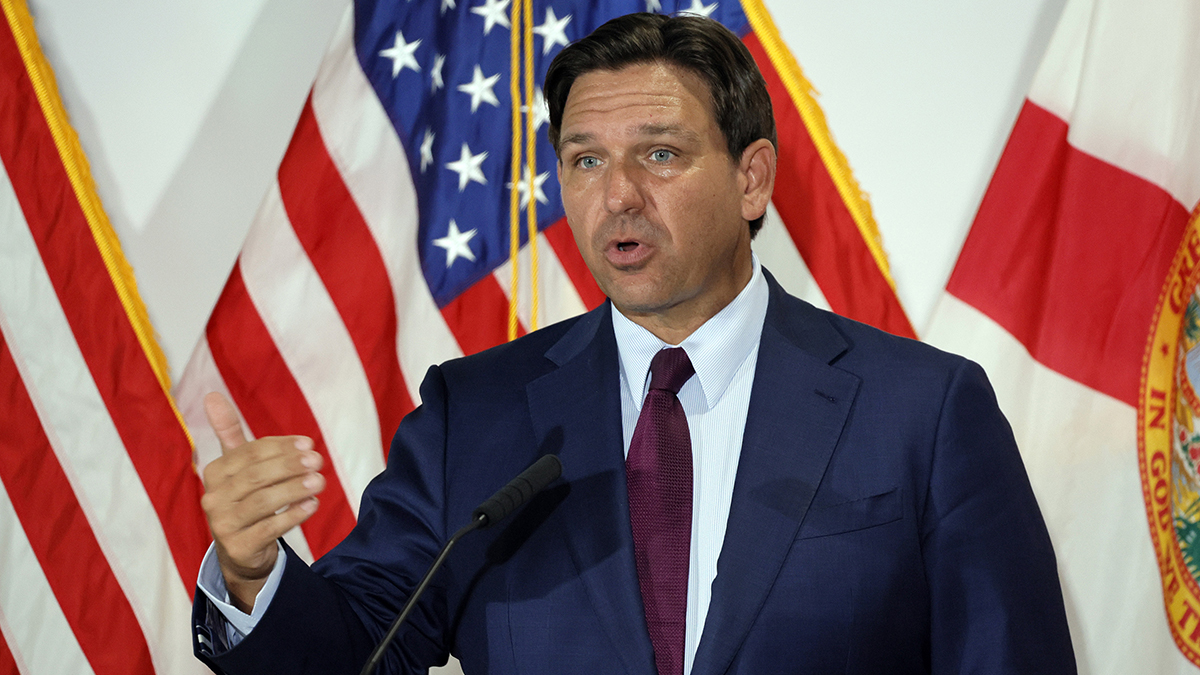
Governor DeSantis revised the vaccine distribution plan, making all Floridians eligible for COVID-19 vaccines by April 2021. Medicaid enrollees can access vaccines at no cost and utilize Medicaid transportation services to reach vaccination sites. The state has also implemented a system to deliver vaccines to homebound seniors.
Challenges for the Uninsured
Despite these efforts, Florida has not accepted federal funding to cover COVID-19 testing and treatment for the uninsured, leaving many to rely on a patchwork of free resources. The state advises uninsured individuals to seek testing at county health departments or federally qualified health centers.
Conclusion
The legislative measures taken by Florida during the COVID-19 pandemic highlight the state’s commitment to safeguarding Medicaid recipients while navigating the complexities of federal and state policies. As the public health emergency continues, these protections and adjustments remain crucial for the well-being of Florida’s residents.


More Articles

Getting licensed or staying ahead in your career can be a journey—but it doesn’t have to be overwhelming. Grab your favorite coffee or tea, take a moment to relax, and browse through our articles. Whether you’re just starting out or renewing your expertise, we’ve got tips, insights, and advice to keep you moving forward. Here’s to your success—one sip and one step at a time!

Florida Homeowners Finally Get Relief as Gov. DeSantis Announces Significant Insurance Premium Cuts

Florida homeowners — especially in hard‑hit South Florida — are set to see rare and substantial reductions in their property insurance premiums. Gov. Ron DeSantis announced an average statewide Citizens Insurance decrease of 8.7%, with even larger savings of up to 14% in counties like Miami-Dade, Broward, and Palm Beach. State officials credit recent legal and regulatory reforms for stabilizing the market, attracting new insurers, and delivering the first meaningful rate relief Floridians have seen in years.

Tampa’s Real Estate Market Enters a Smarter, More Selective Growth Phase

Tampa’s commercial real estate market isn’t slowing—it’s maturing. With strong population growth, rising office demand, a normalized industrial sector, resurgent retail, and an emerging health‑care real estate boom, investors are shifting from speed to strategy. Tighter underwriting, cautious capital and increased due‑diligence are shaping a more disciplined market, creating new opportunities for informed professionals.

Florida Slashes Home Insurance Rates: Biggest Drop in a Decade Sends Shockwaves Through the Market

Florida homeowners are finally seeing relief as Citizens Property Insurance announces a major 8.7% average rate decrease—far larger than originally proposed. Driven by legislative reforms, fewer lawsuits, and a calm hurricane season, the state’s once‑unstable insurance market is showing real signs of recovery. But with reduced coverage limits and shifting legal protections, experts warn that lower premiums may come with hidden trade‑offs.

Florida Homeowners Finally Get Insurance Relief After Years of Soaring Premiums

After a decade of rising premiums and retreating carriers, Florida homeowners are finally seeing long‑awaited relief. Dozens of insurers have filed for rate decreases—some as high as 11%—thanks to legislative reforms and a stabilizing market. Early approvals are already hitting counties across the state, and experts say the momentum could boost buyer confidence, affordability, and competition throughout Florida’s real estate and insurance sectors.

Self‑Storage Investing in 2026: A Market Thaw Opens the Door to Big Opportunities

After years of slowed activity caused by rising interest rates, the self‑storage industry is heating up again. New data from Marcus & Millichap shows a fresh market cycle emerging, driven by renewed buyer confidence, recalibrated pricing, and stronger lender participation. Acquisitions are rebounding, development is resetting in a healthier direction, and financing conditions are improving—creating one of the most promising investment landscapes the sector has seen in years.

Brookline’s Real Flood Risk: What FEMA’s New Maps Reveal—and What They Miss

Brookline’s newly updated FEMA flood maps identify 97 high‑risk parcels, but local experts warn the true threat is far greater. While FEMA highlights river‑based flooding around Leverett Pond and the Muddy River, alternative models show more than 1,300 Brookline properties at risk within 30 years. Hidden vulnerabilities along major corridors like Beacon Street, rising rainfall intensity, aging infrastructure, and climate‑driven storm patterns suggest that many “low‑risk” areas may be anything but safe.