Florida’s Legislative Response to Medicaid During COVID-19


In the midst of the COVID-19 pandemic, significant legislative measures have been enacted in Florida to address the challenges faced by Medicaid recipients. Since the onset of the national public health emergency on January 27, 2020, Medicaid eligibility protections have been a focal point, ensuring that recipients do not lose coverage during these trying times.
Medicaid Eligibility and Continuous Coverage
From March 2020 through the end of the federal public health emergency, no Medicaid terminations have occurred, except for individuals who voluntarily request it or are no longer state residents. This policy is in line with the Families First Coronavirus Response Act, which prohibits states from ending coverage for recipients enrolled as of March 18, 2020, if they opt for an enhanced federal Medicaid match. The Agency for Health Care Administration (AHCA) has been proactive in notifying recipients about the reinstatement of their benefits if they received termination notices during March 2020.
Moreover, the federal Centers for Medicare & Medicaid Services (CMS) have issued guidelines to protect various Medicaid eligibility groups, including former foster care youth and medically needy individuals.
Policy Adjustments and Notifications
In October 2020, the federal CMS introduced a new interim final rule, which slightly weakened the continuous coverage requirements. This rule allows states to limit coverage for certain groups and reduce optional benefits, although changes in Florida would require legislative amendments.
AHCA has reinstated redetermination and recertification processes, urging recipients to respond to review letters to maintain eligibility. However, Medicaid coverage will not cease during the public health emergency.
Extended Application and Service Adjustments
The application process for Medicaid was extended by 120 days for submissions filed in February 2020, although this policy was rescinded in July 2021. Additionally, the $600/week unemployment insurance payments under the CARES Act are excluded from income calculations for Medicaid eligibility.
Florida has also made efforts to ensure the coverage of medically necessary services related to COVID-19, including waiving prior authorization and copayment requirements for various services.
Vaccination and Transportation Initiatives
Governor DeSantis revised the vaccine distribution plan, making all Floridians eligible for COVID-19 vaccines by April 2021. Medicaid enrollees can access vaccines at no cost and utilize Medicaid transportation services to reach vaccination sites. The state has also implemented a system to deliver vaccines to homebound seniors.
Challenges for the Uninsured
Despite these efforts, Florida has not accepted federal funding to cover COVID-19 testing and treatment for the uninsured, leaving many to rely on a patchwork of free resources. The state advises uninsured individuals to seek testing at county health departments or federally qualified health centers.
Conclusion
The legislative measures taken by Florida during the COVID-19 pandemic highlight the state’s commitment to safeguarding Medicaid recipients while navigating the complexities of federal and state policies. As the public health emergency continues, these protections and adjustments remain crucial for the well-being of Florida’s residents.


More Articles

Getting licensed or staying ahead in your career can be a journey—but it doesn’t have to be overwhelming. Grab your favorite coffee or tea, take a moment to relax, and browse through our articles. Whether you’re just starting out or renewing your expertise, we’ve got tips, insights, and advice to keep you moving forward. Here’s to your success—one sip and one step at a time!

Judge Blocks Class Status in Major Commission Lawsuit, Shaking Up the Real Estate Industry

A federal judge has denied class‑certification in the high‑stakes Batton commission lawsuit, delivering a temporary win for NAR and major brokerages while leaving the door open for plaintiffs to try again. With as much as $3.6 billion in potential damages on the line and nearly 80% of the proposed class now disqualified due to conflicts with earlier settlements, the case stands at a pivotal moment. Real estate professionals nationwide — especially in Florida — should watch closely, as the ruling could shape the future of buyer‑agent compensation.

Florida Homeowners Hit Hard by Skyrocketing Insurance Rates as Lawmakers Race Toward Reform

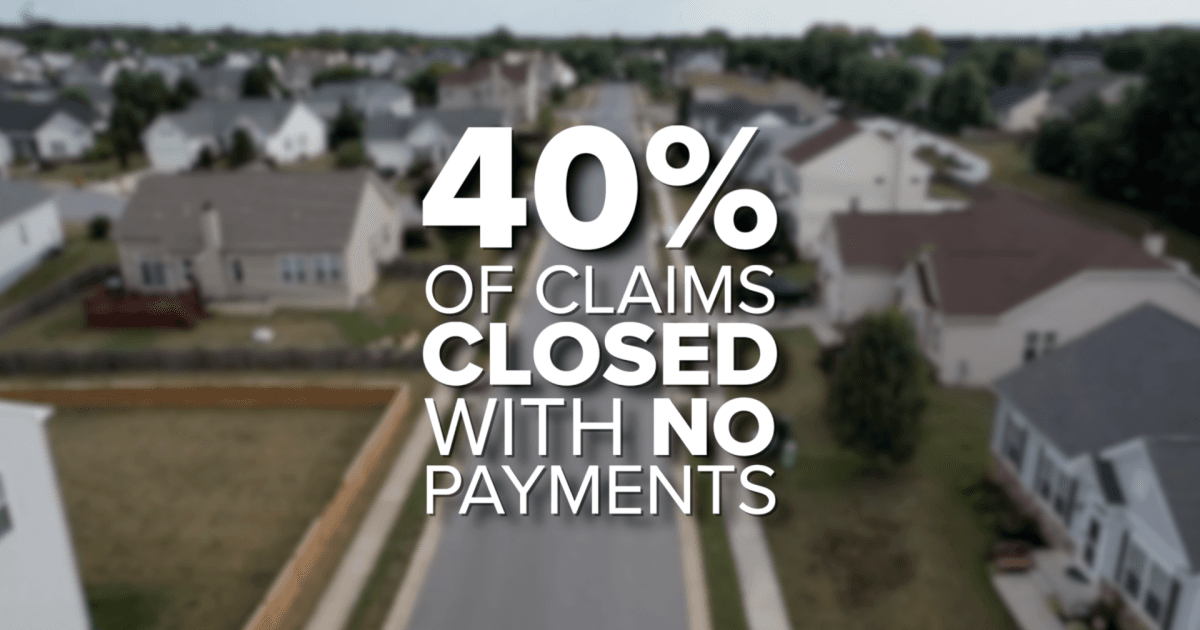
Florida homeowners are paying nearly double the national average for insurance, with premiums now reaching $5,838 a year and denied claims topping 40 percent. Residents report tripled rates, underpaid claims, and mounting financial strain, pushing lawmakers in Tallahassee to propose caps on rate hikes, tax breaks for storm‑proof upgrades, and tighter oversight of insurers. These developments are reshaping real estate and insurance conversations across the state as professionals brace for major industry shifts.

Inside Berkshire County’s Surging 2025 Real Estate Market: Q3 Deep Dive

Berkshire County closed Q3 2025 with strong momentum as sales, dollar volume, and buyer competition all climbed year‑over‑year. Inventory showed slight improvement but remains far below demand, keeping the market tilted toward sellers. Single‑family homes and condos led the surge, while multifamily, land, and commercial sectors showed mixed performance. The region continues to stand out as one of New England’s most resilient real estate markets heading into 2026.

Florida Homeowners Are Reaching a Breaking Point as Insurance Costs Skyrocket

Florida homeowners now face the highest insurance burdens in the nation, with average premiums topping $5,800 per year—roughly $3,000 above the national average. As rates triple for some residents, more Floridians are skipping coverage altogether, while denied claims and slow payouts add to the frustration. With over 40 percent of claims closing with no payment and lawmakers battling over reform in Tallahassee, the crisis is reshaping budgets, homebuying decisions, and the real estate industry statewide.

How Global Investors Are Rewriting the Real Estate Playbook for 2026

Global capital is surging back into real estate—and this time, investors want more control. Colliers’ 2026 Global Investor Outlook reveals a major shift toward direct investments, joint ventures, and hands‑on strategies as money moves across North America, Europe, and the booming Asia‑Pacific markets. Data centers are now the top‑funded asset class, offices are staging a comeback, and adaptive reuse is reshaping cities worldwide. For real estate and finance professionals, the message is clear: opportunity is accelerating, and those with the right education and licensing will be at the center of the action.

Why Lower Interest Rates Still Aren’t Saving Commercial Real Estate

The Fed’s recent rate cuts should have offered relief to commercial real estate—but long-term borrowing costs haven’t budged. While short‑term rates are falling, stubborn long‑term yields, broken deal math, and a trillion‑dollar refinancing wave are keeping the market frozen. For investors and professionals across Florida and the nation, understanding this disconnect is key to navigating the opportunities and risks emerging in today’s shifting CRE landscape.