Florida’s Condo Lending Crisis May Finally Ease — And Industry Leaders Expect Big December News
Florida’s real estate market may be on the verge of a major turning point. After nearly two decades under uniquely restrictive lending rules, a long‑running push to bring Florida’s condo loan standards back in line with the rest of the nation may finally be gaining traction.
According to Mortgage Professional America, a reform effort targeting a 2008 Fannie Mae policy—one that applies only to Florida—has accelerated. Since that policy’s introduction, buyers in the Sunshine State have been limited to 75% loan‑to‑value (LTV) on limited‑review condo loans, while all other states allow 90% LTV.
A Two‑Decade Policy Under Fire
Max Slyusarchuk, founder and CEO of A&D Mortgage, has become one of the most outspoken advocates for change. He argues that the 25% down payment requirement has drained both affordability and condo association reserves, creating long‑term financial strain.
“I told Fannie Mae that we think the Florida condo collapse is their fault. You need 25% down. You don’t have any money left for maintenance… and because of less maintenance, the collapse happens.”
Now, after years of pressure from mortgage leaders and the Florida Association of Mortgage Professionals, Slyusarchuk says the movement is close to victory—with hopes of official updates from Fannie Mae in December.
Why These Changes Matter
If the restrictions are removed, the impact could be transformative. Returning to the standard 10% down payment could boost liquidity, improve maintenance funding, and stabilize condo values statewide.
“Number one, it’s going to increase the amount of money available for maintenance. Number two, it’s going to stabilize the market… It’s a big deal.”
Affordability at the Heart of the Issue
In many Florida cities, condos remain one of the last accessible paths to homeownership. But the 25% down payment requirement often pushes first‑time buyers out of the market entirely.
“Sometimes you can buy a condo for $200,000 where a house is $500,000,” Slyusarchuk said. “To ask someone for a $50,000 down payment is unreal.”
Rising insurance premiums and limited inventory magnify the challenge—pressures every Florida real estate agent and mortgage professional knows too well.
Growing Optimism Across the Industry
Other leaders share this optimism. Danielle Blake of the Miami Association of Realtors previously questioned why Florida alone is held to stricter standards, noting that confidence has grown due to increased representation in federal housing discussions.
Now, all eyes are on December—when Florida may finally see its condo lending rules align with national norms.
If you’re building or advancing your career in real estate, mortgage, insurance, or other licensed professions, staying informed on regulatory shifts is crucial. Cameron Academy offers modern, flexible, high‑impact licensing courses across all 50 states—designed for today’s ambitious professionals.
Getting licensed or staying ahead in your career can be a journey—but it doesn’t have to be overwhelming. Grab your favorite coffee or tea, take a moment to relax, and browse through our articles. Whether you’re just starting out or renewing your expertise, we’ve got tips, insights, and advice to keep you moving forward. Here’s to your success—one sip and one step at a time!
"The challenges faced by the PropTech industry are vast, ranging from data security and regulatory compliance to the implementation of sustainable practices. Yet, technologies such as Artificial Intelligence (AI), Virtual Reality (VR), Internet of Things (IoT), and Blockchain are pivotal in addressing these hurdles."
The commercial real estate sector is poised to emerge from recent tumultuous years, armed with insights and strategies to better position itself for the future. According to a detailed analysis by Deloitte, the 2025 outlook offers a roadmap for industry leaders to navigate the evolving landscape.
The IRS is ushering in a new era of tax reporting that will significantly affect freelancers, small business owners, and anyone who earns income through third-party payment apps like Venmo or PayPal. These changes are embodied in the form of adjusted thresholds for the Form 1099-K, a tax document used to report income from such platforms. Previously, this form was only required for those earning at least $20,000 annually through these services. However, new phased-in rules will reduce this threshold to $600 by 2026, starting with earnings over $5,000 in 2024.
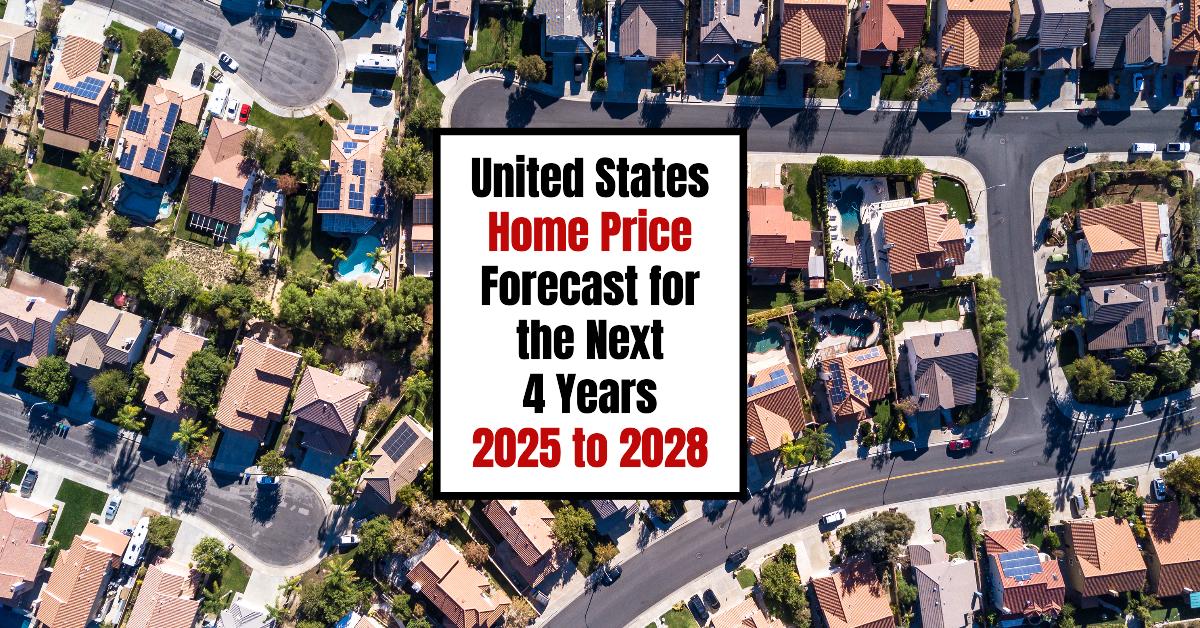
As we look to the horizon of the U.S. housing market, Fannie Mae's Home Price Expectations Survey offers a crucial glimpse into the coming years. Compiled from the insights of over 100 housing experts, this survey predicts notable changes in home prices from 2025 to 2028. The analysis, originally detailed by Norada Real Estate Investments, suggests a shift in market dynamics that could impact homeowners and investors alike.