Florida’s Condo Lending Crisis May Finally Ease — And Industry Leaders Expect Big December News
Florida’s real estate market may be on the verge of a major turning point. After nearly two decades under uniquely restrictive lending rules, a long‑running push to bring Florida’s condo loan standards back in line with the rest of the nation may finally be gaining traction.
According to Mortgage Professional America, a reform effort targeting a 2008 Fannie Mae policy—one that applies only to Florida—has accelerated. Since that policy’s introduction, buyers in the Sunshine State have been limited to 75% loan‑to‑value (LTV) on limited‑review condo loans, while all other states allow 90% LTV.
A Two‑Decade Policy Under Fire
Max Slyusarchuk, founder and CEO of A&D Mortgage, has become one of the most outspoken advocates for change. He argues that the 25% down payment requirement has drained both affordability and condo association reserves, creating long‑term financial strain.
“I told Fannie Mae that we think the Florida condo collapse is their fault. You need 25% down. You don’t have any money left for maintenance… and because of less maintenance, the collapse happens.”
Now, after years of pressure from mortgage leaders and the Florida Association of Mortgage Professionals, Slyusarchuk says the movement is close to victory—with hopes of official updates from Fannie Mae in December.
Why These Changes Matter
If the restrictions are removed, the impact could be transformative. Returning to the standard 10% down payment could boost liquidity, improve maintenance funding, and stabilize condo values statewide.
“Number one, it’s going to increase the amount of money available for maintenance. Number two, it’s going to stabilize the market… It’s a big deal.”
Affordability at the Heart of the Issue
In many Florida cities, condos remain one of the last accessible paths to homeownership. But the 25% down payment requirement often pushes first‑time buyers out of the market entirely.
“Sometimes you can buy a condo for $200,000 where a house is $500,000,” Slyusarchuk said. “To ask someone for a $50,000 down payment is unreal.”
Rising insurance premiums and limited inventory magnify the challenge—pressures every Florida real estate agent and mortgage professional knows too well.
Growing Optimism Across the Industry
Other leaders share this optimism. Danielle Blake of the Miami Association of Realtors previously questioned why Florida alone is held to stricter standards, noting that confidence has grown due to increased representation in federal housing discussions.
Now, all eyes are on December—when Florida may finally see its condo lending rules align with national norms.
If you’re building or advancing your career in real estate, mortgage, insurance, or other licensed professions, staying informed on regulatory shifts is crucial. Cameron Academy offers modern, flexible, high‑impact licensing courses across all 50 states—designed for today’s ambitious professionals.
Getting licensed or staying ahead in your career can be a journey—but it doesn’t have to be overwhelming. Grab your favorite coffee or tea, take a moment to relax, and browse through our articles. Whether you’re just starting out or renewing your expertise, we’ve got tips, insights, and advice to keep you moving forward. Here’s to your success—one sip and one step at a time!
Florida homeowners — especially in hard‑hit South Florida — are set to see rare and substantial reductions in their property insurance premiums. Gov. Ron DeSantis announced an average statewide Citizens Insurance decrease of 8.7%, with even larger savings of up to 14% in counties like Miami-Dade, Broward, and Palm Beach. State officials credit recent legal and regulatory reforms for stabilizing the market, attracting new insurers, and delivering the first meaningful rate relief Floridians have seen in years.
Tampa’s commercial real estate market isn’t slowing—it’s maturing. With strong population growth, rising office demand, a normalized industrial sector, resurgent retail, and an emerging health‑care real estate boom, investors are shifting from speed to strategy. Tighter underwriting, cautious capital and increased due‑diligence are shaping a more disciplined market, creating new opportunities for informed professionals.
Florida homeowners are finally seeing relief as Citizens Property Insurance announces a major 8.7% average rate decrease—far larger than originally proposed. Driven by legislative reforms, fewer lawsuits, and a calm hurricane season, the state’s once‑unstable insurance market is showing real signs of recovery. But with reduced coverage limits and shifting legal protections, experts warn that lower premiums may come with hidden trade‑offs.
After a decade of rising premiums and retreating carriers, Florida homeowners are finally seeing long‑awaited relief. Dozens of insurers have filed for rate decreases—some as high as 11%—thanks to legislative reforms and a stabilizing market. Early approvals are already hitting counties across the state, and experts say the momentum could boost buyer confidence, affordability, and competition throughout Florida’s real estate and insurance sectors.
After years of slowed activity caused by rising interest rates, the self‑storage industry is heating up again. New data from Marcus & Millichap shows a fresh market cycle emerging, driven by renewed buyer confidence, recalibrated pricing, and stronger lender participation. Acquisitions are rebounding, development is resetting in a healthier direction, and financing conditions are improving—creating one of the most promising investment landscapes the sector has seen in years.
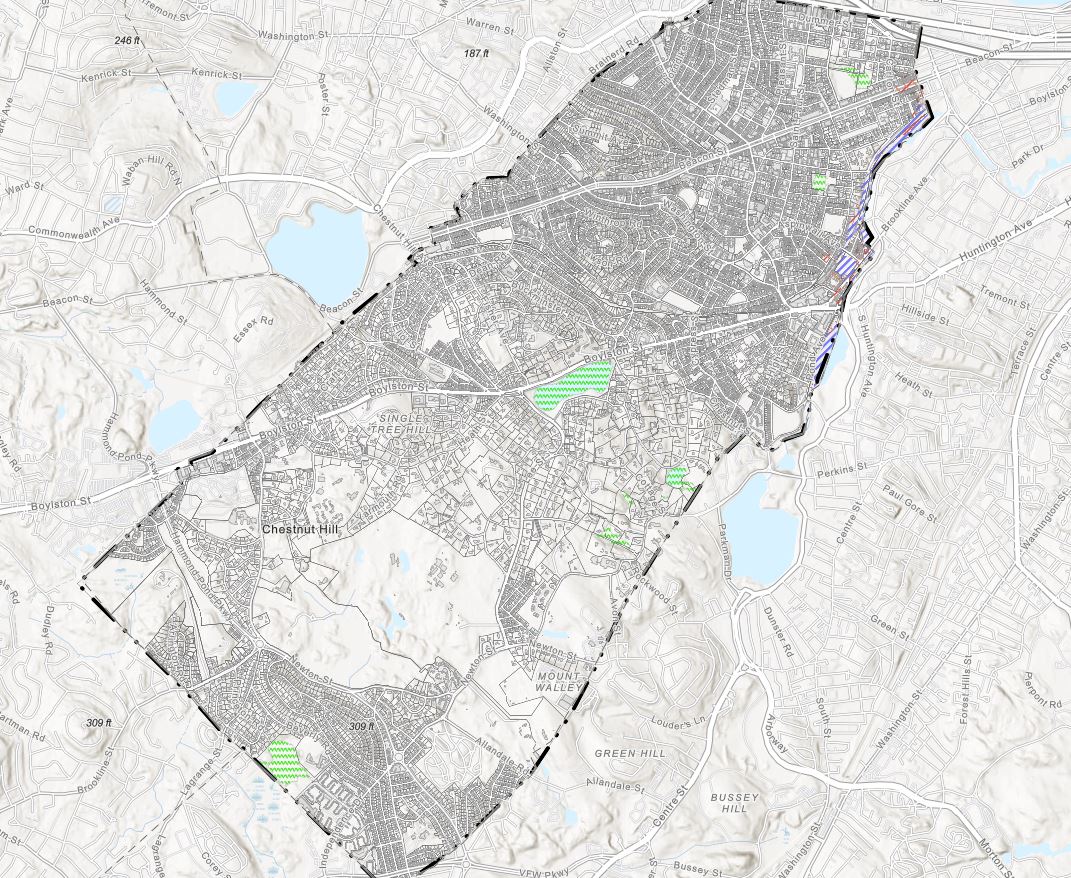
Brookline’s newly updated FEMA flood maps identify 97 high‑risk parcels, but local experts warn the true threat is far greater. While FEMA highlights river‑based flooding around Leverett Pond and the Muddy River, alternative models show more than 1,300 Brookline properties at risk within 30 years. Hidden vulnerabilities along major corridors like Beacon Street, rising rainfall intensity, aging infrastructure, and climate‑driven storm patterns suggest that many “low‑risk” areas may be anything but safe.