Florida’s Condo Lending Crisis May Finally Ease — And Industry Leaders Expect Big December News
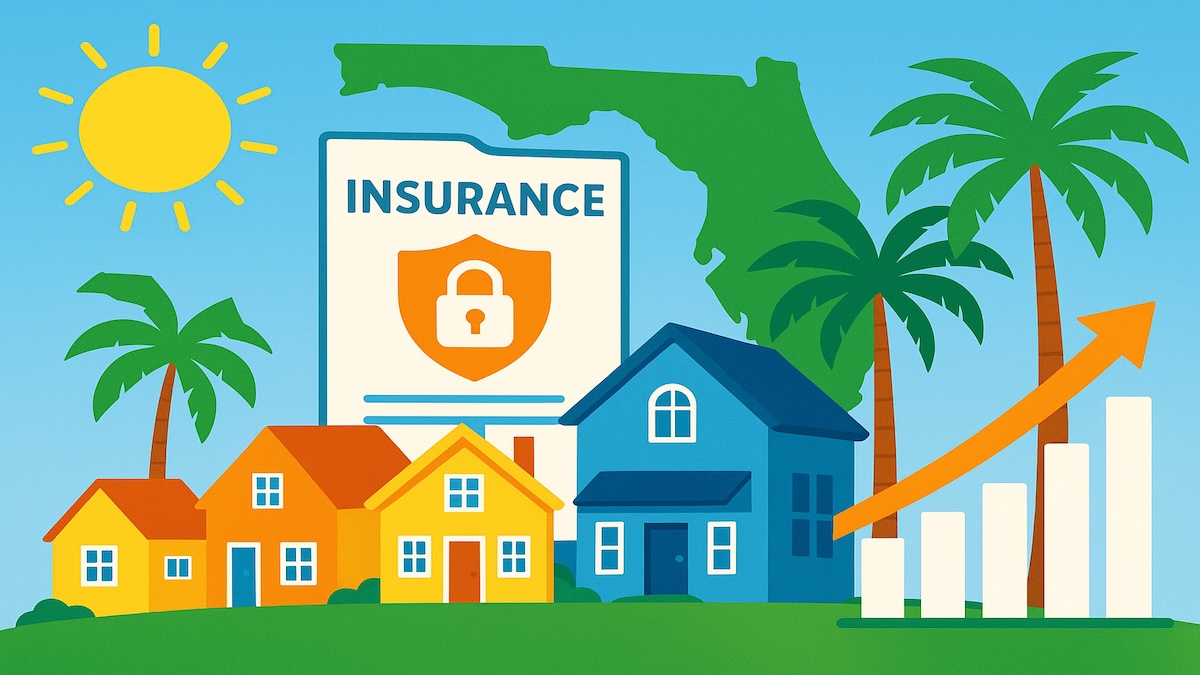
Florida’s real estate market may be on the verge of a major turning point. After nearly two decades under uniquely restrictive lending rules, a long‑running push to bring Florida’s condo loan standards back in line with the rest of the nation may finally be gaining traction.
According to Mortgage Professional America, a reform effort targeting a 2008 Fannie Mae policy—one that applies only to Florida—has accelerated. Since that policy’s introduction, buyers in the Sunshine State have been limited to 75% loan‑to‑value (LTV) on limited‑review condo loans, while all other states allow 90% LTV.
A Two‑Decade Policy Under Fire
Max Slyusarchuk, founder and CEO of A&D Mortgage, has become one of the most outspoken advocates for change. He argues that the 25% down payment requirement has drained both affordability and condo association reserves, creating long‑term financial strain.
“I told Fannie Mae that we think the Florida condo collapse is their fault. You need 25% down. You don’t have any money left for maintenance… and because of less maintenance, the collapse happens.”
Now, after years of pressure from mortgage leaders and the Florida Association of Mortgage Professionals, Slyusarchuk says the movement is close to victory—with hopes of official updates from Fannie Mae in December.
Why These Changes Matter
If the restrictions are removed, the impact could be transformative. Returning to the standard 10% down payment could boost liquidity, improve maintenance funding, and stabilize condo values statewide.
“Number one, it’s going to increase the amount of money available for maintenance. Number two, it’s going to stabilize the market… It’s a big deal.”
Affordability at the Heart of the Issue
In many Florida cities, condos remain one of the last accessible paths to homeownership. But the 25% down payment requirement often pushes first‑time buyers out of the market entirely.
“Sometimes you can buy a condo for $200,000 where a house is $500,000,” Slyusarchuk said. “To ask someone for a $50,000 down payment is unreal.”
Rising insurance premiums and limited inventory magnify the challenge—pressures every Florida real estate agent and mortgage professional knows too well.
Growing Optimism Across the Industry
Other leaders share this optimism. Danielle Blake of the Miami Association of Realtors previously questioned why Florida alone is held to stricter standards, noting that confidence has grown due to increased representation in federal housing discussions.
Now, all eyes are on December—when Florida may finally see its condo lending rules align with national norms.
If you’re building or advancing your career in real estate, mortgage, insurance, or other licensed professions, staying informed on regulatory shifts is crucial. Cameron Academy offers modern, flexible, high‑impact licensing courses across all 50 states—designed for today’s ambitious professionals.
Getting licensed or staying ahead in your career can be a journey—but it doesn’t have to be overwhelming. Grab your favorite coffee or tea, take a moment to relax, and browse through our articles. Whether you’re just starting out or renewing your expertise, we’ve got tips, insights, and advice to keep you moving forward. Here’s to your success—one sip and one step at a time!
President Trump recently suggested mortgage rates will drop “a lot lower” by early 2026, sparking industry-wide curiosity — but current economic data tells a more measured story. With today’s 30‑year fixed hovering near 6.25%, experts say meaningful declines remain possible, though not guaranteed, and would depend on softer inflation, weaker economic signals, or a shift in bond market behavior. While political comments created headlines, analysts emphasize that only market conditions — not rhetoric — can drive rates down. Independent forecasts already point toward mid‑5% rates by 2026, offering a potentially healthier landscape for buyers, agents, and mortgage professionals preparing for the next cycle.
Artificial intelligence has moved from a futuristic concept to a central force driving today’s mortgage industry. From smarter underwriting to enhanced borrower experiences and tighter compliance, AI is transforming every corner of mortgage lending. As expectations rise and competition accelerates, AI literacy is no longer optional — it’s a core skill every mortgage, real estate and finance professional must master to stay relevant and lead confidently.
Global commercial real estate is shifting away from short-term recovery cycles and entering a long-term transformation driven by technology, sustainability, demographic change, and evolving work‑life patterns. Capital is becoming more selective, favoring resilient assets and alternative lenders, while high‑demand sectors such as industrial, logistics, data infrastructure, and specialized residential continue to outperform. Geography, sustainability standards, and flexibility are emerging as defining forces for the next cycle, signaling major opportunities—and challenges—for real estate professionals preparing for the future.
Artificial intelligence has moved from hype to essential infrastructure in the real estate world. From smarter valuations and predictive analytics to automated lead generation and personalized property-matching tools, AI is transforming how agents, brokers, lenders, and managers operate. As top platforms like Zillow, Redfin, Opendoor, and dozens more integrate deep‑learning technology, professionals across real estate, mortgage, insurance, and finance are being pushed to adapt. The future belongs to those who embrace these tools — and use them to elevate speed, accuracy, and client experience.
Florida’s once‑troubled property insurance market has staged an impressive recovery after its near‑collapse in 2022. A new ALIRT Insurance Research report shows that legislative reforms, tighter underwriting and the arrival of new insurers have restored stability, reduced Citizens’ policy load and revived industry confidence. While risks remain, the rebound is reshaping housing affordability and creating fresh opportunities for real estate, mortgage and insurance professionals.
A new bill gaining momentum in Tallahassee would stop insurers from denying claims based solely on artificial intelligence. Championed by Rep. Hillary Cassell, the proposal aims to restore trust in Florida’s troubled insurance market by ensuring human oversight in decisions that affect homeowners, newcomers, and industry professionals. As debates intensify, experts warn AI is reshaping insurance faster than ever—making it critical for real estate, mortgage, and insurance professionals to understand the regulatory shifts ahead.