Florida’s Middle Class Is Being Squeezed Out: Rising Insurance Costs, Rebuilding Battles, and a New Era for Coastal Living

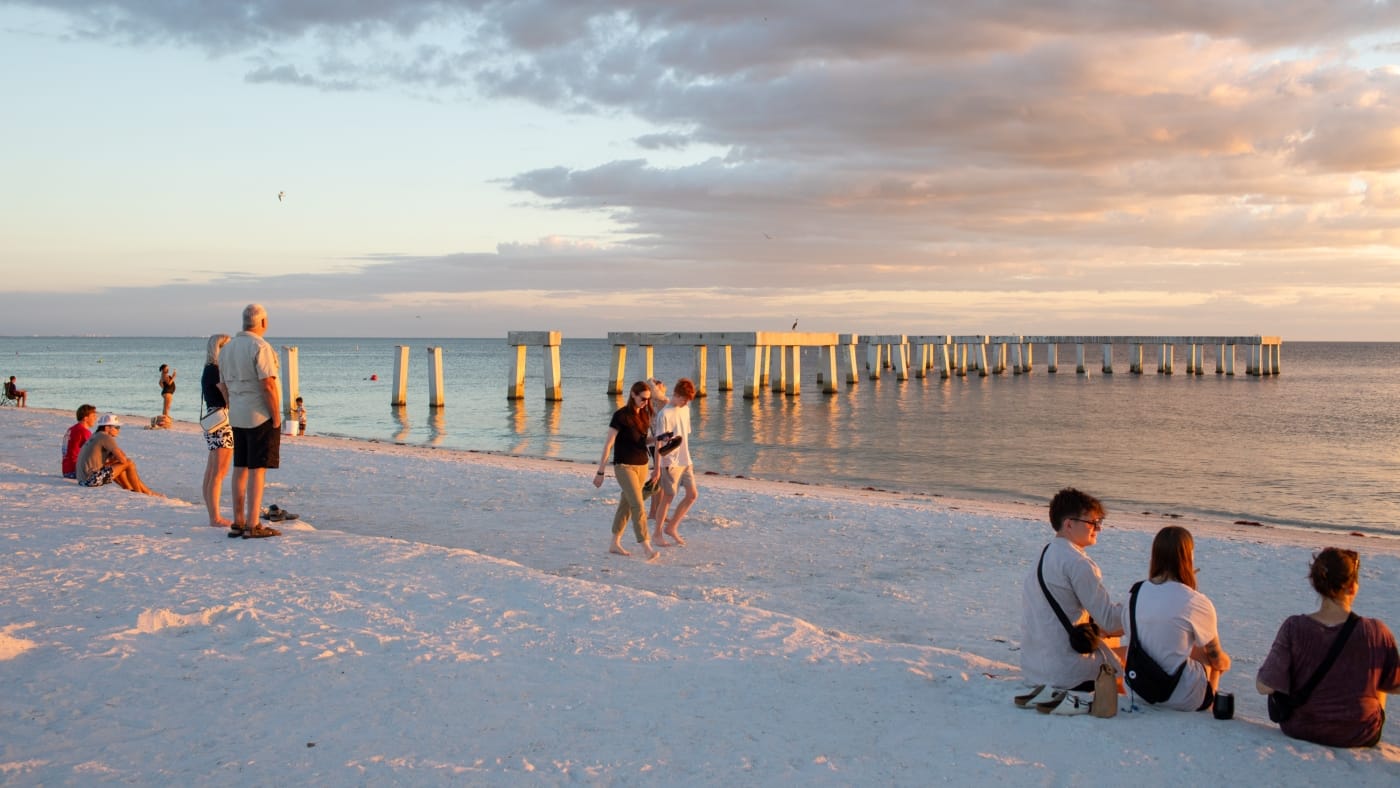
Fort myers beach sunset

Along the sun-washed edges of Fort Myers Beach, where fishermen cast lines beside broken piers and families once rented charming wood-framed cottages, a new Florida is emerging—one reshaped by disaster, soaring insurance costs, and a housing market strained to its limits. What was once a haven for middle-class families is becoming a dramatic battleground between affordability and survival.

This transformation is detailed in an in-depth report from NPR, which you can explore directly at their link:
Read the full NPR story.

The Aftermath That Never Ended

Three years after Hurricane Ian tore through Fort Myers Beach, the echoes of rebuilding still reverberate. New construction stands beside empty lots, and many residents are still reckoning with the financial shockwaves.

“We are nowhere near where we thought we would be three years ago,” says Jacki Liszak, CEO of the Fort Myers Beach Chamber of Commerce, whose hotel was washed away. “I don’t think we understood the extent of what happened to us.”

Homes once filled with decades of memories are being replaced by more resilient—but dramatically more expensive—structures. With costs rising on all fronts, long-time residents, service workers, and small family-owned businesses are finding it nearly impossible to return.

Insurance Costs: The Breaking Point

Florida’s insurance market has been battered by climate-intensified storms and years of litigation pressures. As a result, homeowners are now staring down average premiums of more than $5,700 per year, which is over $3,300 above the national average.

Flood insurance rates are also skyrocketing under FEMA’s updated risk-based pricing model. For some families, a once-manageable bill has ballooned into a $10,000 annual burden—a cost many simply can’t absorb.

“Unless you really have a lot of money to stay down here, it’s a challenge,” says Tara Boyd, who was displaced from Fort Myers Beach after Ian.

Realtors Sound the Alarm

Local real estate professionals are witnessing the pressure in real time. Homes are sitting longer. Many owners are pouring money into repairs only to face higher premiums and falling property values.

Realtor Jessica Gatewood recalls a client who spent $20,000 on flood gates just to sell a home that kept flooding—and even that was barely enough.

“If this economy continues like it is for another year, we’re going to have a lot of foreclosures,” Gatewood warns.

Gentrification on Fast-Forward

Hurricane Ian didn’t create gentrification—but it accelerated it. Older, affordable homes were wiped out, and rebuilding to new state and federal standards pushed many long-time locals out of the market.

Small, family-run shops that once gave Fort Myers Beach its signature charm are disappearing, replaced by national chains and luxury developments. To many residents, the island feels increasingly unfamiliar.

The Emotional Toll

Renters face the same squeeze as landlords push rising insurance costs down the line. Some families have seen rent double in only two years—forcing them to consider leaving Florida entirely.

“Sometimes it makes me cry,” says resident Melyssa Caballero. “Little by little, you’re going to see everybody going away.”

Florida saw more than 500,000 residents move out in 2023—many of them young workers essential to the region’s economy.

A State at a Crossroads

From contractors to nonprofits, many agree on one thing: the region is rebuilding, but the next storm could redraw the map all over again.

“We need development to sustain the tax base,” says councilman Scott Safford. “But we also need some luck with the weather.”

Yet despite it all, hope persists. As Jacki Liszak put it:

“You go over that bridge, and you feel home. People will come, build, and stay.”

What This Means for Florida Real Estate Professionals

For agents, brokers, mortgage professionals, and insurers, this is a defining moment. Understanding risk, insurance structures, building codes, and climate-driven migration is no longer optional—it’s essential.

This is why strong, modern education matters. At Cameron Academy, Florida’s trusted real estate school, professionals gain the tools to navigate an evolving market with confidence and insight.

As Florida’s landscape shifts, informed professionals will be the ones guiding communities toward sustainable growth—one license, one transaction, one rebuilt neighborhood at a time.

To explore NPR’s full reporting, visit:
NPR: Disaster & Insurance Costs Are Rising

More Articles

Getting licensed or staying ahead in your career can be a journey—but it doesn’t have to be overwhelming. Grab your favorite coffee or tea, take a moment to relax, and browse through our articles. Whether you’re just starting out or renewing your expertise, we’ve got tips, insights, and advice to keep you moving forward. Here’s to your success—one sip and one step at a time!

Why Today’s High Mortgage Rates Matter More Than Ever for the Housing Market

A growing share of American homeowners now carry mortgage rates above 5%—a dramatic shift that’s reshaping refinancing, inventory, and buyer behavior nationwide. With more than 30% of borrowers locked into rates over 5% and 20% above 6%, the market is split between owners holding on to low pandemic‑era loans and new buyers taking on higher‑rate mortgages. Federal efforts to push rates down could unlock millions of refinancing opportunities, while buyers see only modest monthly savings. For real estate professionals, understanding these rate dynamics is crucial as they increasingly drive inventory levels, affordability, and market activity.

CRE Deal Volume Dips in December, but Office Sector Stages an Unexpected Comeback

New Moody’s data shows commercial real estate deal volume slipped 20% in December, marking a second monthly decline. Yet the full year tells a different story: 2025 ended with a 17% gain, signaling a quiet but resilient recovery. The biggest surprise came from the office sector, which posted a 21% jump in activity as return‑to‑office trends and AI‑driven job growth boosted demand. Multifamily, retail, and alternative assets like data centers also saw strong momentum, giving real estate professionals a market full of fresh opportunities heading into 2026.

Florida Kicks Off 2026 With Major Auto Insurance Rate Cuts and Market Stability

Florida drivers and industry professionals are heading into 2026 with good news: auto insurance rates are dropping across the state as the market shows strong signs of stabilization. USAA leads the latest wave with a 7% average rate decrease expected in May 2026, saving members more than $125 million annually. They join several major insurers — including State Farm, Progressive, AAA, Allstate, and Florida Farm Bureau — all approving significant reductions. Officials credit recent legislative reforms, especially tort reform, for the improved loss ratios and renewed insurer confidence. With both auto and home insurance markets strengthening, Florida’s real estate, mortgage, and insurance professionals can expect more consumer confidence, smoother transactions, and expanding career opportunities.

The 2024 Housing Shortage: Why America Is Still 1.2 Million Homes Behind

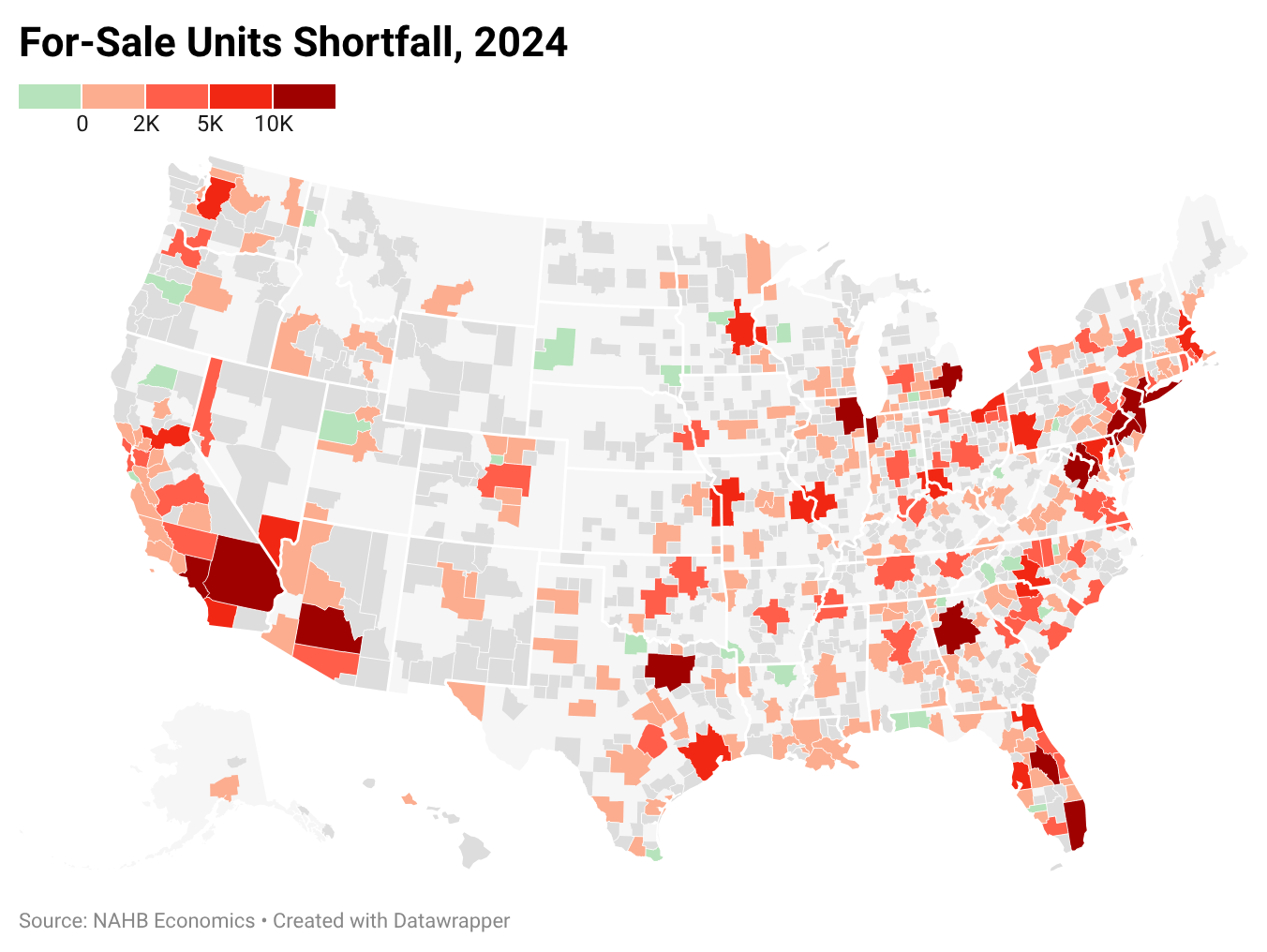
New data from Eye On Housing and the NAHB shows the U.S. remains short more than 1.2 million housing units, keeping pressure on both rents and home prices. Record‑low vacancy rates, slow single‑family construction, and restrictive zoning continue to fuel intense competition in 2024. Major metros like Chicago, New York, and Atlanta face some of the deepest deficits, and the true nationwide shortfall may be even higher when accounting for overcrowding and aging homes. For real estate professionals, the ongoing shortage means sustained demand, tighter inventory, and major opportunities for those who understand the evolving market.

AI Isn’t the Shiny Object Anymore — It’s the New System Driving Real Estate Success

Top real estate coach Jason Pantana says the divide between agents today isn’t about who has “tried” AI — it’s about who is immersed in it. In a new HousingWire interview, he explains why AI isn’t a gimmick but a full business system that amplifies output, improves authenticity, and reshapes how clients search for agents. From prompt mastery to AI‑driven visibility on Google, Pantana reveals how agents who commit even 15 minutes a day to learning AI are already outperforming those who hesitate.

DFW Commercial Real Estate 2025: Industrial Surges, Retail Shines, Office Struggles

Dallas–Fort Worth’s commercial real estate market closed 2025 with a split personality. Industrial dominated with massive new deliveries and soaring leasing demand, retail held steady with some of the market’s strongest fundamentals in years, and office continued to falter under remote‑work pressures. High vacancies, weak absorption, and rising demand for top‑tier space show the sector’s ongoing reset. Meanwhile, industrial and retail strength position the Metroplex for another powerhouse year heading into 2026.