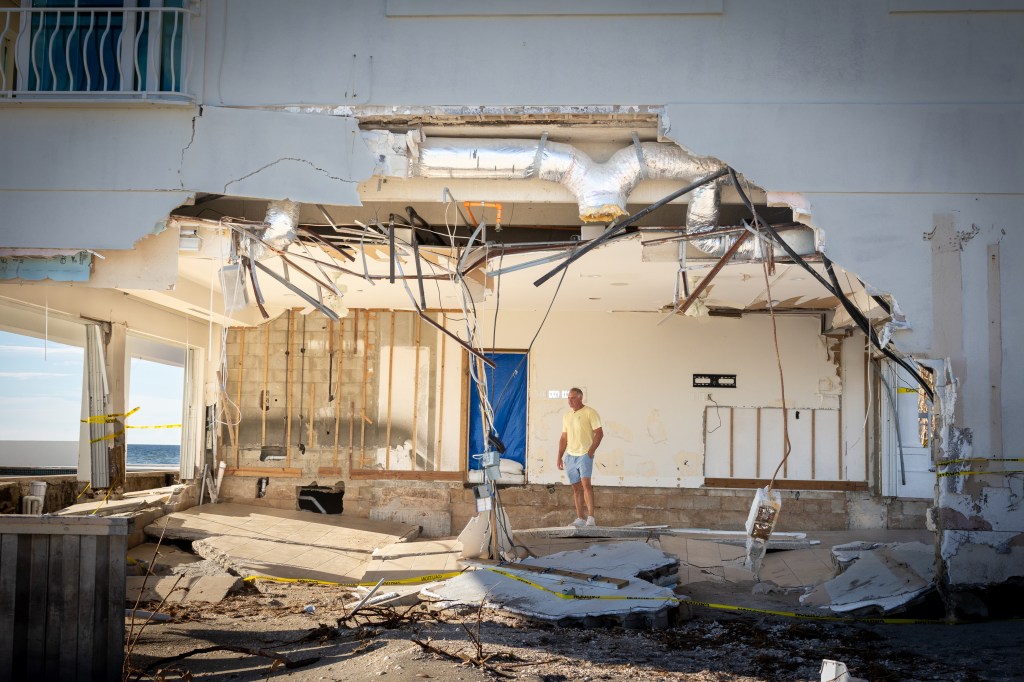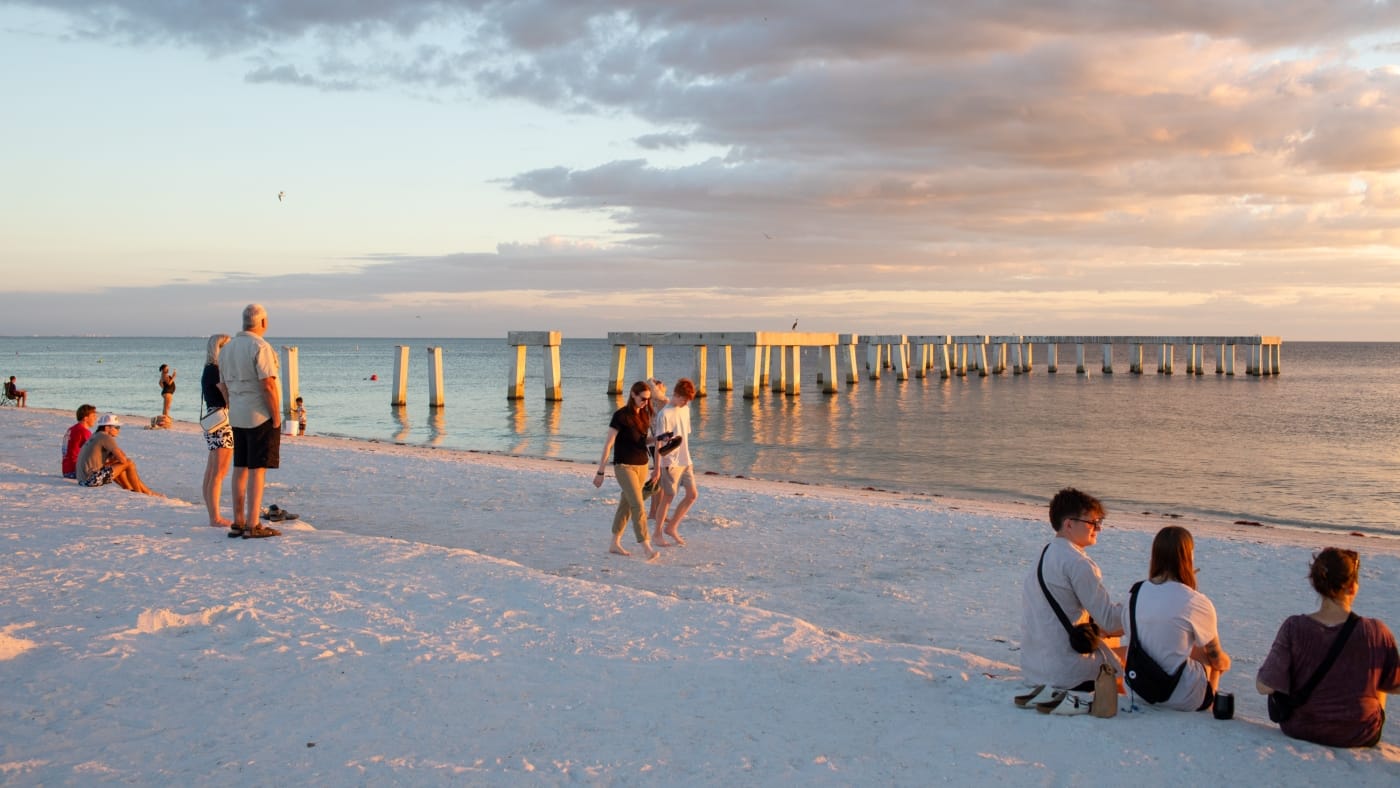
Along the sun-washed edges of Fort Myers Beach, where fishermen cast lines beside broken piers and families once rented charming wood-framed cottages, a new Florida is emerging—one reshaped by disaster, soaring insurance costs, and a housing market strained to its limits. What was once a haven for middle-class families is becoming a dramatic battleground between affordability and survival.
This transformation is detailed in an in-depth report from NPR, which you can explore directly at their link:
Read the full NPR story.
The Aftermath That Never Ended
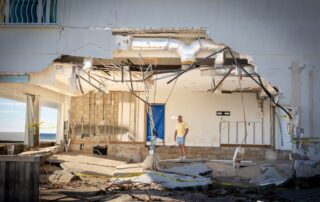
Three years after Hurricane Ian tore through Fort Myers Beach, the echoes of rebuilding still reverberate. New construction stands beside empty lots, and many residents are still reckoning with the financial shockwaves.
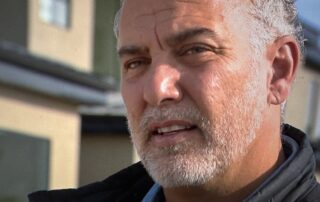
“We are nowhere near where we thought we would be three years ago,” says Jacki Liszak, CEO of the Fort Myers Beach Chamber of Commerce, whose hotel was washed away. “I don’t think we understood the extent of what happened to us.”
Homes once filled with decades of memories are being replaced by more resilient—but dramatically more expensive—structures. With costs rising on all fronts, long-time residents, service workers, and small family-owned businesses are finding it nearly impossible to return.
Insurance Costs: The Breaking Point
Florida’s insurance market has been battered by climate-intensified storms and years of litigation pressures. As a result, homeowners are now staring down average premiums of more than $5,700 per year, which is over $3,300 above the national average.
Flood insurance rates are also skyrocketing under FEMA’s updated risk-based pricing model. For some families, a once-manageable bill has ballooned into a $10,000 annual burden—a cost many simply can’t absorb.
“Unless you really have a lot of money to stay down here, it’s a challenge,” says Tara Boyd, who was displaced from Fort Myers Beach after Ian.
Realtors Sound the Alarm
Local real estate professionals are witnessing the pressure in real time. Homes are sitting longer. Many owners are pouring money into repairs only to face higher premiums and falling property values.
Realtor Jessica Gatewood recalls a client who spent $20,000 on flood gates just to sell a home that kept flooding—and even that was barely enough.
“If this economy continues like it is for another year, we’re going to have a lot of foreclosures,” Gatewood warns.
Gentrification on Fast-Forward
Hurricane Ian didn’t create gentrification—but it accelerated it. Older, affordable homes were wiped out, and rebuilding to new state and federal standards pushed many long-time locals out of the market.
Small, family-run shops that once gave Fort Myers Beach its signature charm are disappearing, replaced by national chains and luxury developments. To many residents, the island feels increasingly unfamiliar.
The Emotional Toll
Renters face the same squeeze as landlords push rising insurance costs down the line. Some families have seen rent double in only two years—forcing them to consider leaving Florida entirely.
“Sometimes it makes me cry,” says resident Melyssa Caballero. “Little by little, you’re going to see everybody going away.”
Florida saw more than 500,000 residents move out in 2023—many of them young workers essential to the region’s economy.
A State at a Crossroads
From contractors to nonprofits, many agree on one thing: the region is rebuilding, but the next storm could redraw the map all over again.
“We need development to sustain the tax base,” says councilman Scott Safford. “But we also need some luck with the weather.”
Yet despite it all, hope persists. As Jacki Liszak put it:
“You go over that bridge, and you feel home. People will come, build, and stay.”
What This Means for Florida Real Estate Professionals
For agents, brokers, mortgage professionals, and insurers, this is a defining moment. Understanding risk, insurance structures, building codes, and climate-driven migration is no longer optional—it’s essential.
This is why strong, modern education matters. At Cameron Academy, Florida’s trusted real estate school, professionals gain the tools to navigate an evolving market with confidence and insight.
As Florida’s landscape shifts, informed professionals will be the ones guiding communities toward sustainable growth—one license, one transaction, one rebuilt neighborhood at a time.
To explore NPR’s full reporting, visit:
NPR: Disaster & Insurance Costs Are Rising

 Title Insurance Leaders Double Down on Tech and Efficiency to Drive 2026 Market Momentum Gallery