Florida’s Mobile Home Boom: What Insurers Want You to Know in 2026

Mobile home in florida

Mobile and manufactured homes continue to rise in popularity across Florida, offering affordability and flexibility in a market where traditional home prices have climbed beyond reach for many. But protecting one of these homes requires a specialized policy — one that understands the unique risks of a residence built off-site and set on a non-permanent foundation.

That’s where mobile home insurance — often referred to as an HO-7 policy — becomes essential. And if you’re living in Florida, or guiding clients as a real estate or insurance professional, this information is more relevant than ever.

Source Spotlight: This article is inspired by insights from Insurify, a top-tier comparison engine trusted by modern insurance consumers nationwide.

Why Mobile Homes Need Special Coverage in Florida

Over 8% of Florida’s housing consists of mobile homes. While the state doesn’t legally require mobile home insurance, many lenders and mobile home communities do. Even without those requirements, owners still face serious risks — hurricanes, fire, theft, and unexpected relocations among them.

Because these homes are more vulnerable to wind and weather damage, premiums can run higher. Fortunately, insurers now offer policies tailor-made for their specific structure and risk profile.

What HO-7 Mobile Home Insurance Typically Covers

Mobile home insurance is similar to standard homeowners insurance, but incorporates protections designed for factory-built homes. Most policies include:

  • Dwelling coverage for the home itself
  • Personal property coverage for belongings
  • Other structures such as sheds or detached garages
  • Additional living expenses for temporary housing
  • Personal liability for injury or accidental damage

What’s Not Covered?

HO-7 policies, like traditional homeowners insurance, have exclusions. These often include:

  • Flood damage (requires separate flood insurance)
  • Earthquake damage (optional add-ons may exist)
  • Wear, tear, mold, rust, and pest damage

Top Mobile Home Insurance Providers in Florida

According to Insurify’s analysis, Florida’s standout insurers for 2026 include:

  • Foremost: Great for older homes; offers replacement cost coverage.
  • State Farm: Flexible deductibles and add-ons such as cyber event protection.
  • Farmers: Agent-driven service with multiple discount options.
  • HomeFirst: Includes flood coverage and works with lower credit tiers.

Premiums vary based on home age, condition, location, and claims history. Due to Florida’s weather risks, statewide premiums trend higher than the national average.

Ways to Save on Mobile Home Insurance

You can save money — and insurers reward specific actions. Consider the following:

  • Get quotes from multiple insurers
  • Bundle your policies
  • Install approved safety features
  • Improve your credit score
  • Choose a higher deductible
  • Earn tie-down or wind mitigation certifications

Tip for Professionals: If you’re pursuing your Florida real estate license or expanding into insurance or mortgage fields, Cameron Academy offers career-building programs that help you guide clients confidently through mobile home ownership.

Is It Difficult to Insure a Mobile Home in Florida?

It can be. Many insurers view mobile homes as higher-risk, especially along coastal regions. Still, providers like Farmers, Foremost, HomeFirst, and State Farm — plus Citizens as a last-resort option — make it possible for owners to secure reliable coverage.

What Florida Owners Are Asking

Common concerns include whether insurance is required (it’s not), what coverage limits they should choose, how older homes affect eligibility, and what to do after major damage.

Ultimately, the best policy depends on your home’s replacement cost, your preferred deductible, and how much protection you want for belongings and liability.

Final Thoughts

Florida’s mobile home market is expanding rapidly — and with that growth comes the need for strong, clear insurance solutions. Whether you’re a homeowner, an aspiring licensee, or a seasoned industry pro, staying informed empowers you to make the right decisions.

Cameron Academy remains committed to helping professionals elevate their careers with confidence, from real estate to insurance and beyond.


More Articles

Getting licensed or staying ahead in your career can be a journey—but it doesn’t have to be overwhelming. Grab your favorite coffee or tea, take a moment to relax, and browse through our articles. Whether you’re just starting out or renewing your expertise, we’ve got tips, insights, and advice to keep you moving forward. Here’s to your success—one sip and one step at a time!

Why Today’s High Mortgage Rates Matter More Than Ever for the Housing Market

A growing share of American homeowners now carry mortgage rates above 5%—a dramatic shift that’s reshaping refinancing, inventory, and buyer behavior nationwide. With more than 30% of borrowers locked into rates over 5% and 20% above 6%, the market is split between owners holding on to low pandemic‑era loans and new buyers taking on higher‑rate mortgages. Federal efforts to push rates down could unlock millions of refinancing opportunities, while buyers see only modest monthly savings. For real estate professionals, understanding these rate dynamics is crucial as they increasingly drive inventory levels, affordability, and market activity.

CRE Deal Volume Dips in December, but Office Sector Stages an Unexpected Comeback

New Moody’s data shows commercial real estate deal volume slipped 20% in December, marking a second monthly decline. Yet the full year tells a different story: 2025 ended with a 17% gain, signaling a quiet but resilient recovery. The biggest surprise came from the office sector, which posted a 21% jump in activity as return‑to‑office trends and AI‑driven job growth boosted demand. Multifamily, retail, and alternative assets like data centers also saw strong momentum, giving real estate professionals a market full of fresh opportunities heading into 2026.

Florida Kicks Off 2026 With Major Auto Insurance Rate Cuts and Market Stability

Florida drivers and industry professionals are heading into 2026 with good news: auto insurance rates are dropping across the state as the market shows strong signs of stabilization. USAA leads the latest wave with a 7% average rate decrease expected in May 2026, saving members more than $125 million annually. They join several major insurers — including State Farm, Progressive, AAA, Allstate, and Florida Farm Bureau — all approving significant reductions. Officials credit recent legislative reforms, especially tort reform, for the improved loss ratios and renewed insurer confidence. With both auto and home insurance markets strengthening, Florida’s real estate, mortgage, and insurance professionals can expect more consumer confidence, smoother transactions, and expanding career opportunities.

The 2024 Housing Shortage: Why America Is Still 1.2 Million Homes Behind

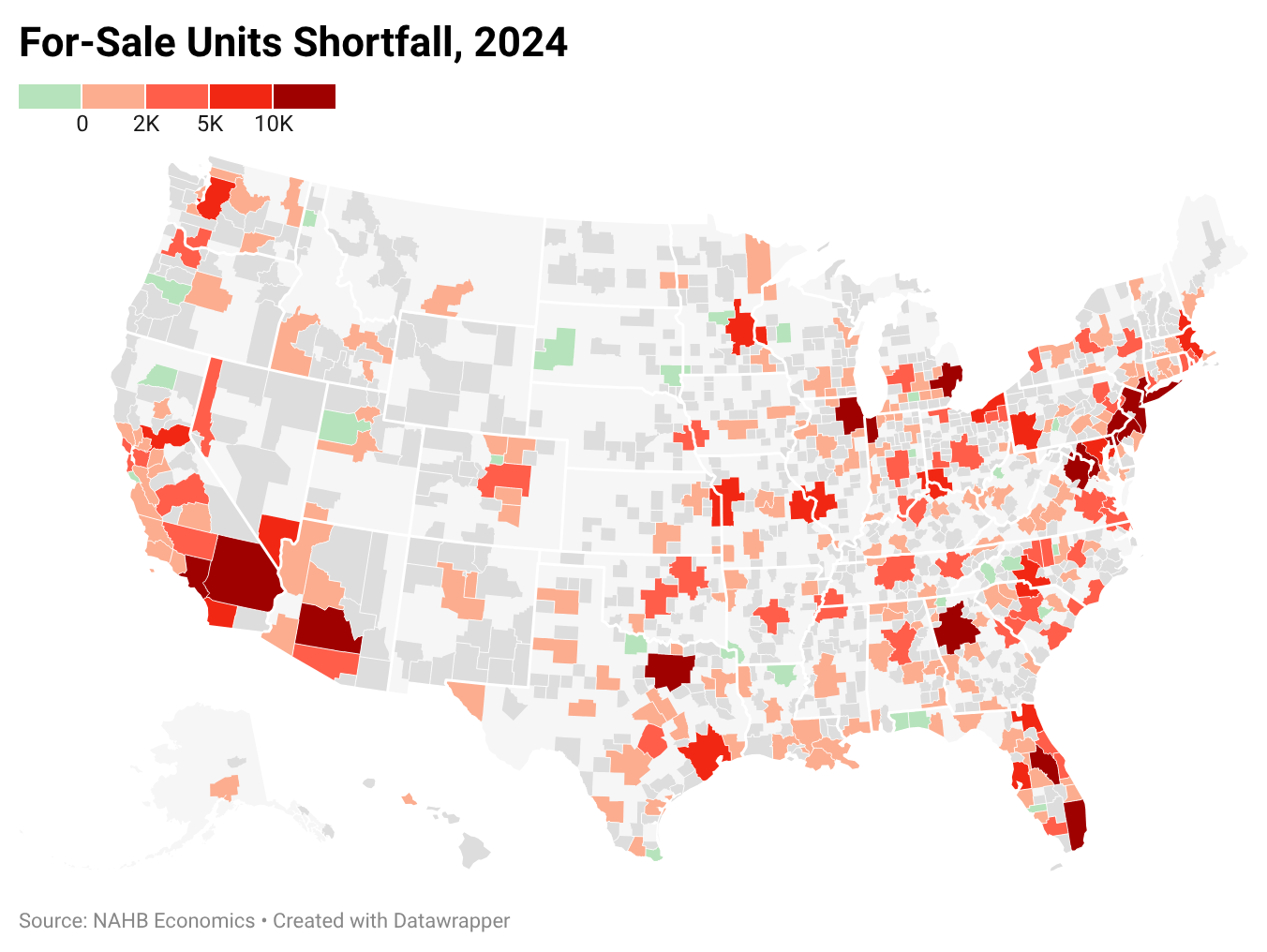
New data from Eye On Housing and the NAHB shows the U.S. remains short more than 1.2 million housing units, keeping pressure on both rents and home prices. Record‑low vacancy rates, slow single‑family construction, and restrictive zoning continue to fuel intense competition in 2024. Major metros like Chicago, New York, and Atlanta face some of the deepest deficits, and the true nationwide shortfall may be even higher when accounting for overcrowding and aging homes. For real estate professionals, the ongoing shortage means sustained demand, tighter inventory, and major opportunities for those who understand the evolving market.

AI Isn’t the Shiny Object Anymore — It’s the New System Driving Real Estate Success

Top real estate coach Jason Pantana says the divide between agents today isn’t about who has “tried” AI — it’s about who is immersed in it. In a new HousingWire interview, he explains why AI isn’t a gimmick but a full business system that amplifies output, improves authenticity, and reshapes how clients search for agents. From prompt mastery to AI‑driven visibility on Google, Pantana reveals how agents who commit even 15 minutes a day to learning AI are already outperforming those who hesitate.

DFW Commercial Real Estate 2025: Industrial Surges, Retail Shines, Office Struggles

Dallas–Fort Worth’s commercial real estate market closed 2025 with a split personality. Industrial dominated with massive new deliveries and soaring leasing demand, retail held steady with some of the market’s strongest fundamentals in years, and office continued to falter under remote‑work pressures. High vacancies, weak absorption, and rising demand for top‑tier space show the sector’s ongoing reset. Meanwhile, industrial and retail strength position the Metroplex for another powerhouse year heading into 2026.