
Florida’s Mobile Home Rent Shake-Up: What New Legislation Could Mean for Residents, Investors, and the Future of Affordable Housing

Florida mobile home park

A sweeping new push in Tallahassee may soon reshape the financial landscape for more than 800,000 Floridians living in mobile home parks. State lawmakers are reviewing major bills that would require park owners to justify rent increases, boost relocation assistance, and strengthen tenant protections. For residents — many living on fixed incomes — these changes feel not only overdue, but urgent.

A Fight for Fairness: What Sparked the Legislation?

The legislative effort — known as the Mobile Home Park Lot Tenancies bills (House Bill 703 and Senate Bill 1550) — follows years of rising lot rents that have left many residents with little cushion in their monthly budgets. Some Floridians have seen rents nearly double with few, if any, improvements to their communities.

One resident shared that rent soared from $325 to nearly $800 in just three years. Another, Olga Figueroa, says her Social Security barely covers her nearly $900 monthly housing cost. Stories like these have fueled a growing demand for transparency, fairness, and stronger oversight statewide.

What the Bills Would Do

If passed, the new laws would require park owners to provide detailed documentation — including invoices and cost breakdowns — whenever they raise lot rents. Reducing amenities without lowering rent could trigger penalties, and courts would gain new authority to assess whether rent increases are justified.

Added protections include giving residents more time to pay, doubling the grace period for late payments to 10 days. Park owners would also be prohibited from enforcing digital-only payment requirements, meaning traditional check payments must still be accepted — a crucial win for seniors and those with limited internet access.

Stronger Relocation Assistance

For residents forced to relocate due to redevelopment, compensation amounts would more than double. Single-section homeowners could receive up to $6,500, while multi-section owners may be eligible for up to $11,500. Even residents abandoning their homes would qualify for up to $7,000 depending on the type of home.

Why This Matters for Real Estate Professionals

This legislation introduces ripple effects across the real estate industry — affecting investors, brokers, community managers, and even future developers. Understanding shifting rules, obligations, and tenant protections is essential for maintaining compliance and long-term success.

And that’s where education takes center stage. At Cameron Academy, we help Florida professionals stay ahead of regulatory changes that impact mobile home parks, property management, and landlord-tenant relations. Whether you’re renewing a license or pursuing a new credential, staying informed is more critical than ever in today’s evolving landscape.

A Shift Toward Accountability

As the Department of Legal Affairs prepares to enforce these rules, Florida may be on the edge of its largest mobile home policy reform in decades. Lawmakers call this a bipartisan opportunity to protect affordability and restore transparency for communities often overlooked.

The bills are currently under committee review, and residents, investors, and industry professionals will be watching closely.

Source: News4JAX

More Articles

Getting licensed or staying ahead in your career can be a journey—but it doesn’t have to be overwhelming. Grab your favorite coffee or tea, take a moment to relax, and browse through our articles. Whether you’re just starting out or renewing your expertise, we’ve got tips, insights, and advice to keep you moving forward. Here’s to your success—one sip and one step at a time!

2025 Commercial Real Estate Outlook: Navigating a New Era

The commercial real estate landscape is on the brink of transformation as leaders seek to navigate the challenges of recent years and position their organizations for future opportunities.

The Emerging Mental Health Crisis Among Healthcare Workers During the COVID-19 Pandemic

The pandemic has ushered in a wave of mental health challenges that affect healthcare workers profoundly. From the onset of COVID-19, these professionals have been at the forefront, facing immense pressure, long hours, and the constant fear of exposure.

By |December 18, 2024|Categories: Article, Healthcare Workers, Mental Health|Tags: , |0 Comments

Ethical Concerns of Large Language Models in Healthcare

Exploring the dual nature of LLMs offers substantial benefits in healthcare but also raises significant ethical concerns, underscoring the need for well-defined guidelines and human oversight.

The Role of Wearable Devices in Chronic Disease Monitoring and Patient Care: A Comprehensive Review

Wearable devices have become integral in managing chronic conditions by providing continuous health data, empowering patients and healthcare professionals with insights that were previously unattainable.

AI Training Mandates: Navigating Legal Waters in Dentistry

The integration of artificial intelligence (AI) into dental practices is more than a technological trend; it represents a seismic shift in the industry. This transformation is reshaping skill sets and prompting a thorough examination of legal and ethical implications.

By |December 17, 2024|Categories: Article, Legal, Technology|Tags: , |0 Comments

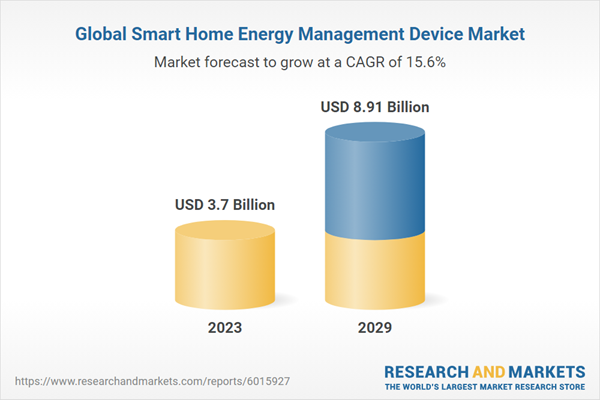
Smart Home Energy Management Devices: A Market Poised for Growth

The Global Smart Home Energy Management Device Market is on the brink of a significant transformation, driven by escalating demands for energy-efficient solutions and the increasing adoption of smart home technologies.