Florida’s Mobile Home Rent Shake-Up: What New Legislation Could Mean for Residents, Investors, and the Future of Affordable Housing
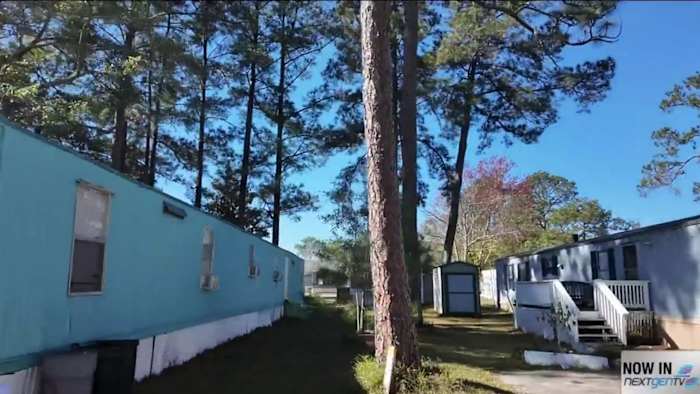
A sweeping new push in Tallahassee may soon reshape the financial landscape for more than 800,000 Floridians living in mobile home parks. State lawmakers are reviewing major bills that would require park owners to justify rent increases, boost relocation assistance, and strengthen tenant protections. For residents — many living on fixed incomes — these changes feel not only overdue, but urgent.
A Fight for Fairness: What Sparked the Legislation?
The legislative effort — known as the Mobile Home Park Lot Tenancies bills (House Bill 703 and Senate Bill 1550) — follows years of rising lot rents that have left many residents with little cushion in their monthly budgets. Some Floridians have seen rents nearly double with few, if any, improvements to their communities.
One resident shared that rent soared from $325 to nearly $800 in just three years. Another, Olga Figueroa, says her Social Security barely covers her nearly $900 monthly housing cost. Stories like these have fueled a growing demand for transparency, fairness, and stronger oversight statewide.
What the Bills Would Do
If passed, the new laws would require park owners to provide detailed documentation — including invoices and cost breakdowns — whenever they raise lot rents. Reducing amenities without lowering rent could trigger penalties, and courts would gain new authority to assess whether rent increases are justified.
Added protections include giving residents more time to pay, doubling the grace period for late payments to 10 days. Park owners would also be prohibited from enforcing digital-only payment requirements, meaning traditional check payments must still be accepted — a crucial win for seniors and those with limited internet access.
Stronger Relocation Assistance
For residents forced to relocate due to redevelopment, compensation amounts would more than double. Single-section homeowners could receive up to $6,500, while multi-section owners may be eligible for up to $11,500. Even residents abandoning their homes would qualify for up to $7,000 depending on the type of home.
Why This Matters for Real Estate Professionals
This legislation introduces ripple effects across the real estate industry — affecting investors, brokers, community managers, and even future developers. Understanding shifting rules, obligations, and tenant protections is essential for maintaining compliance and long-term success.
And that’s where education takes center stage. At Cameron Academy, we help Florida professionals stay ahead of regulatory changes that impact mobile home parks, property management, and landlord-tenant relations. Whether you’re renewing a license or pursuing a new credential, staying informed is more critical than ever in today’s evolving landscape.
A Shift Toward Accountability
As the Department of Legal Affairs prepares to enforce these rules, Florida may be on the edge of its largest mobile home policy reform in decades. Lawmakers call this a bipartisan opportunity to protect affordability and restore transparency for communities often overlooked.
The bills are currently under committee review, and residents, investors, and industry professionals will be watching closely.
Getting licensed or staying ahead in your career can be a journey—but it doesn’t have to be overwhelming. Grab your favorite coffee or tea, take a moment to relax, and browse through our articles. Whether you’re just starting out or renewing your expertise, we’ve got tips, insights, and advice to keep you moving forward. Here’s to your success—one sip and one step at a time!
Lofty has launched the industry’s first Agentic AI Operating System, a breakthrough platform that doesn’t just follow commands—it plans, executes, evaluates, and adapts entire workflows on its own. Designed specifically for real estate professionals, the system acts like an AI “orchestra,” coordinating specialized agents for lead qualification, marketing, SEO, transaction management, website creation, and more. With leaders calling this a major leap beyond traditional tools, Lofty AOS signals a new era where agents can focus on relationships and closings while AI handles the heavy lifting.
Florida’s insurance landscape is finally showing signs of stability as private insurers return and Citizens Property Insurance drops below 400,000 policies. Insurance Commissioner Michael Yaworsky says reforms are working, but homeowners may not feel relief yet as inflation and rebuilding costs keep premiums high. With transparency improvements, mitigation credits, and new AI regulations on the horizon, Florida aims to avoid another insurance crisis while keeping the market competitive and consumer‑friendly.
Mortgage rates just hit their lowest point since 2022, closing January at 6.18% and giving buyers and industry professionals a rare moment of relief. But while the Federal Reserve continues to pause rate hikes, economists warn that significant declines are unlikely. Most forecasts show rates hovering near 6% through 2026, with political uncertainty and inflation keeping markets volatile. For now, stability may be the best we get — and even that could be temporary.
Propy, a fast-growing real estate tech firm blending AI automation with blockchain-backed transaction systems, has secured a major $100 million credit facility to accelerate nationwide title company consolidation. The funding aims to modernize the traditionally slow, paper-heavy closing process, offering real estate professionals a faster, more secure, and more transparent experience. As automation reshapes the industry, staying educated on emerging technology will be essential for agents, brokers, mortgage professionals, and investors looking to stay competitive.
Escrow payments in Florida have jumped an astonishing 70% since 2019, far outpacing the national average and now consuming nearly 38% of a typical monthly mortgage payment. Surging insurance premiums and rising property taxes are driving the increase, reshaping affordability for homeowners and pricing out many would‑be buyers.
After losing their Altadena home in the LA wildfires, Jessica and Matt Conkle expected State Farm to help them rebuild. Instead, they faced months of delays, low valuations, and stalled claims — a struggle shared by nearly 80 percent of wildfire survivors. As insurers pull out of high‑risk areas and premiums soar, the crisis is reshaping homeownership, tightening mortgage approvals, and straining government safety nets. What’s happening in California is rapidly becoming a national issue, with real estate, mortgage, and insurance professionals on the front lines of a system under unprecedented pressure.