Florida’s Mobile Home Rent Shake-Up: What New Legislation Could Mean for Residents, Investors, and the Future of Affordable Housing
A sweeping new push in Tallahassee may soon reshape the financial landscape for more than 800,000 Floridians living in mobile home parks. State lawmakers are reviewing major bills that would require park owners to justify rent increases, boost relocation assistance, and strengthen tenant protections. For residents — many living on fixed incomes — these changes feel not only overdue, but urgent.
A Fight for Fairness: What Sparked the Legislation?
The legislative effort — known as the Mobile Home Park Lot Tenancies bills (House Bill 703 and Senate Bill 1550) — follows years of rising lot rents that have left many residents with little cushion in their monthly budgets. Some Floridians have seen rents nearly double with few, if any, improvements to their communities.
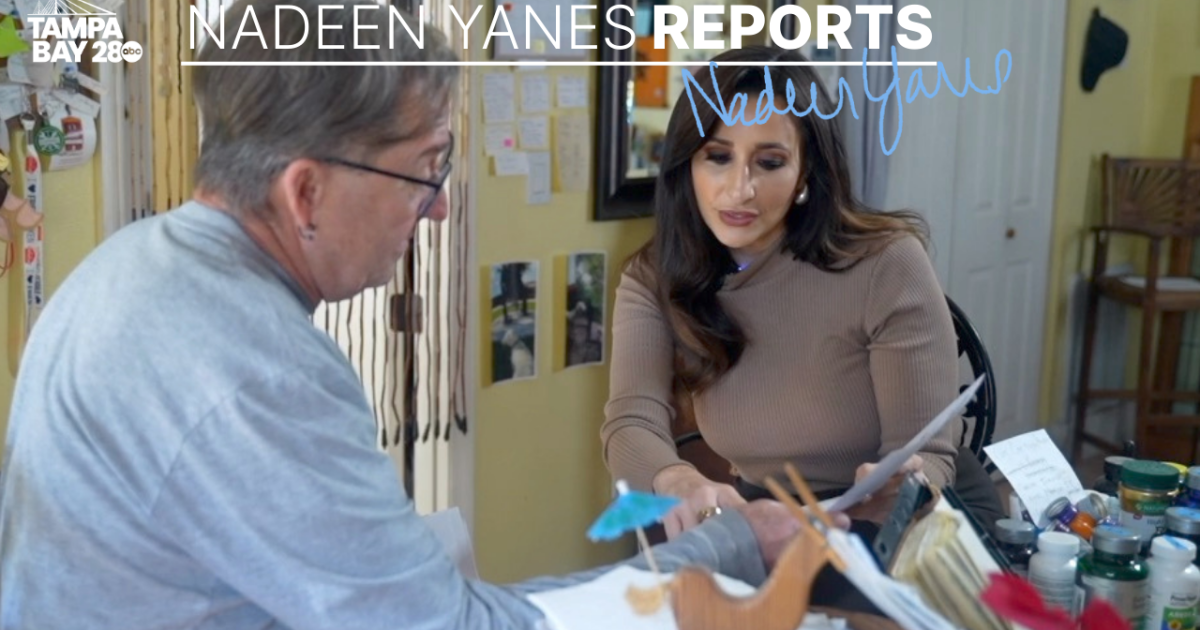
One resident shared that rent soared from $325 to nearly $800 in just three years. Another, Olga Figueroa, says her Social Security barely covers her nearly $900 monthly housing cost. Stories like these have fueled a growing demand for transparency, fairness, and stronger oversight statewide.
What the Bills Would Do
If passed, the new laws would require park owners to provide detailed documentation — including invoices and cost breakdowns — whenever they raise lot rents. Reducing amenities without lowering rent could trigger penalties, and courts would gain new authority to assess whether rent increases are justified.
Added protections include giving residents more time to pay, doubling the grace period for late payments to 10 days. Park owners would also be prohibited from enforcing digital-only payment requirements, meaning traditional check payments must still be accepted — a crucial win for seniors and those with limited internet access.
Stronger Relocation Assistance
For residents forced to relocate due to redevelopment, compensation amounts would more than double. Single-section homeowners could receive up to $6,500, while multi-section owners may be eligible for up to $11,500. Even residents abandoning their homes would qualify for up to $7,000 depending on the type of home.
Why This Matters for Real Estate Professionals
This legislation introduces ripple effects across the real estate industry — affecting investors, brokers, community managers, and even future developers. Understanding shifting rules, obligations, and tenant protections is essential for maintaining compliance and long-term success.
And that’s where education takes center stage. At Cameron Academy, we help Florida professionals stay ahead of regulatory changes that impact mobile home parks, property management, and landlord-tenant relations. Whether you’re renewing a license or pursuing a new credential, staying informed is more critical than ever in today’s evolving landscape.
A Shift Toward Accountability
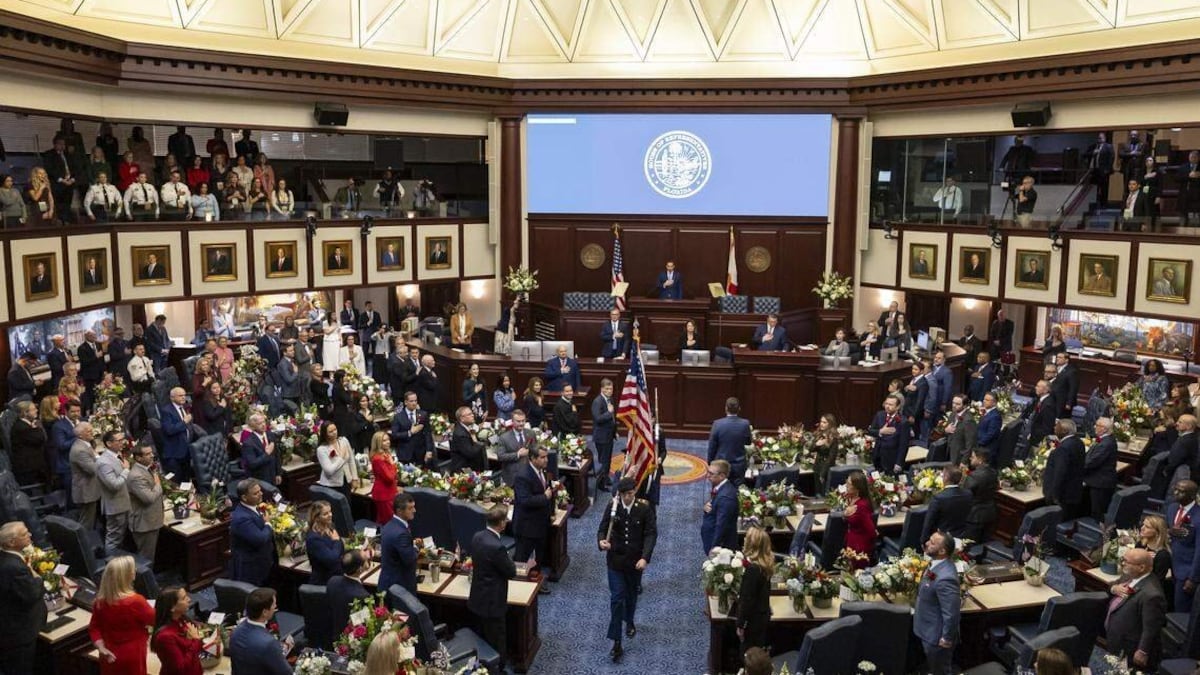
As the Department of Legal Affairs prepares to enforce these rules, Florida may be on the edge of its largest mobile home policy reform in decades. Lawmakers call this a bipartisan opportunity to protect affordability and restore transparency for communities often overlooked.
The bills are currently under committee review, and residents, investors, and industry professionals will be watching closely.
Getting licensed or staying ahead in your career can be a journey—but it doesn’t have to be overwhelming. Grab your favorite coffee or tea, take a moment to relax, and browse through our articles. Whether you’re just starting out or renewing your expertise, we’ve got tips, insights, and advice to keep you moving forward. Here’s to your success—one sip and one step at a time!
Artificial intelligence has shifted from futuristic idea to everyday assistant for real estate professionals. Instead of replacing agents, AI now enhances their workflows—automating repetitive tasks, improving communication, strengthening branding, and turning complex market data into clear insights. From smarter CRMs to AI-powered marketing tools, today’s agents can focus more on relationships and client service while technology handles the busywork behind the scenes.
A Florida House committee is advancing a bill that would crack down on insurers shifting profits to affiliated companies — a practice highlighted by recent investigative reporting. With premiums soaring and options shrinking, the proposed oversight could reshape the state’s insurance landscape and create ripple effects across the real estate market, impacting buyers, agents, and investors statewide.
Proptech podcast *Tangent* marks its 100th episode with an inside look at Airbnb’s evolving role in multifamily housing. Featuring Airbnb Real Estate Marketing Leader Eliza Lochner, the episode explores the rapid growth of Airbnb‑friendly apartments, the rise of flexible‑living models, and why renters and property owners are increasingly embracing hosting as a way to balance affordability, transparency, and control. For today’s real estate professionals—especially in fast‑changing markets like Florida—the conversation highlights major shifts in tenant expectations, property management strategies, and the intersection of technology, hospitality, and residential development.
A Tampa Heights homeowner has joined the growing wave of Floridians dropping property insurance altogether after his 2026 renewal skyrocketed to $14,523. With up to 20% of residents now going bare, experts warn that soaring rates, shrinking coverage options, and post‑storm losses are pushing many to take risky measures — even as alternatives like liability‑only plans, dropped wind coverage, or home‑hardening upgrades may offer relief.
A major ERAS overhaul is coming in 2027, replacing the familiar “publications” field with a more rigorous category called “scholarly works.” Only peer‑reviewed submissions—such as manuscripts, abstracts, book chapters, and presentations—will qualify, shifting greater emphasis toward high‑quality research. While the change aims to give residency directors clearer insight into applicants’ academic contributions, many students worry that advocacy and policy work may lose visibility. As programs lean more heavily on research output in a post–Step 1 pass/fail era, future applicants will need to showcase not just what they’ve produced, but the depth and meaning behind it.
Mortgage rates have ticked back up to 6.25% after a brief dip, signaling a return to stability in the housing market. With rising inventory, moderating prices, and forecasts calling for steady rates through 2026, real estate and finance professionals can expect a more predictable environment ahead. This shift opens the door to smoother transactions, improved buyer confidence, and stronger opportunities for career growth across mortgage, real estate, insurance, and related fields.