Florida’s Mobile Home Rent Shake-Up: What New Legislation Could Mean for Residents, Investors, and the Future of Affordable Housing
A sweeping new push in Tallahassee may soon reshape the financial landscape for more than 800,000 Floridians living in mobile home parks. State lawmakers are reviewing major bills that would require park owners to justify rent increases, boost relocation assistance, and strengthen tenant protections. For residents — many living on fixed incomes — these changes feel not only overdue, but urgent.
A Fight for Fairness: What Sparked the Legislation?
The legislative effort — known as the Mobile Home Park Lot Tenancies bills (House Bill 703 and Senate Bill 1550) — follows years of rising lot rents that have left many residents with little cushion in their monthly budgets. Some Floridians have seen rents nearly double with few, if any, improvements to their communities.
One resident shared that rent soared from $325 to nearly $800 in just three years. Another, Olga Figueroa, says her Social Security barely covers her nearly $900 monthly housing cost. Stories like these have fueled a growing demand for transparency, fairness, and stronger oversight statewide.
What the Bills Would Do
If passed, the new laws would require park owners to provide detailed documentation — including invoices and cost breakdowns — whenever they raise lot rents. Reducing amenities without lowering rent could trigger penalties, and courts would gain new authority to assess whether rent increases are justified.
Added protections include giving residents more time to pay, doubling the grace period for late payments to 10 days. Park owners would also be prohibited from enforcing digital-only payment requirements, meaning traditional check payments must still be accepted — a crucial win for seniors and those with limited internet access.
Stronger Relocation Assistance
For residents forced to relocate due to redevelopment, compensation amounts would more than double. Single-section homeowners could receive up to $6,500, while multi-section owners may be eligible for up to $11,500. Even residents abandoning their homes would qualify for up to $7,000 depending on the type of home.
Why This Matters for Real Estate Professionals
This legislation introduces ripple effects across the real estate industry — affecting investors, brokers, community managers, and even future developers. Understanding shifting rules, obligations, and tenant protections is essential for maintaining compliance and long-term success.
And that’s where education takes center stage. At Cameron Academy, we help Florida professionals stay ahead of regulatory changes that impact mobile home parks, property management, and landlord-tenant relations. Whether you’re renewing a license or pursuing a new credential, staying informed is more critical than ever in today’s evolving landscape.
A Shift Toward Accountability
As the Department of Legal Affairs prepares to enforce these rules, Florida may be on the edge of its largest mobile home policy reform in decades. Lawmakers call this a bipartisan opportunity to protect affordability and restore transparency for communities often overlooked.
The bills are currently under committee review, and residents, investors, and industry professionals will be watching closely.
Getting licensed or staying ahead in your career can be a journey—but it doesn’t have to be overwhelming. Grab your favorite coffee or tea, take a moment to relax, and browse through our articles. Whether you’re just starting out or renewing your expertise, we’ve got tips, insights, and advice to keep you moving forward. Here’s to your success—one sip and one step at a time!
A federal judge has denied class‑certification in the high‑stakes Batton commission lawsuit, delivering a temporary win for NAR and major brokerages while leaving the door open for plaintiffs to try again. With as much as $3.6 billion in potential damages on the line and nearly 80% of the proposed class now disqualified due to conflicts with earlier settlements, the case stands at a pivotal moment. Real estate professionals nationwide — especially in Florida — should watch closely, as the ruling could shape the future of buyer‑agent compensation.
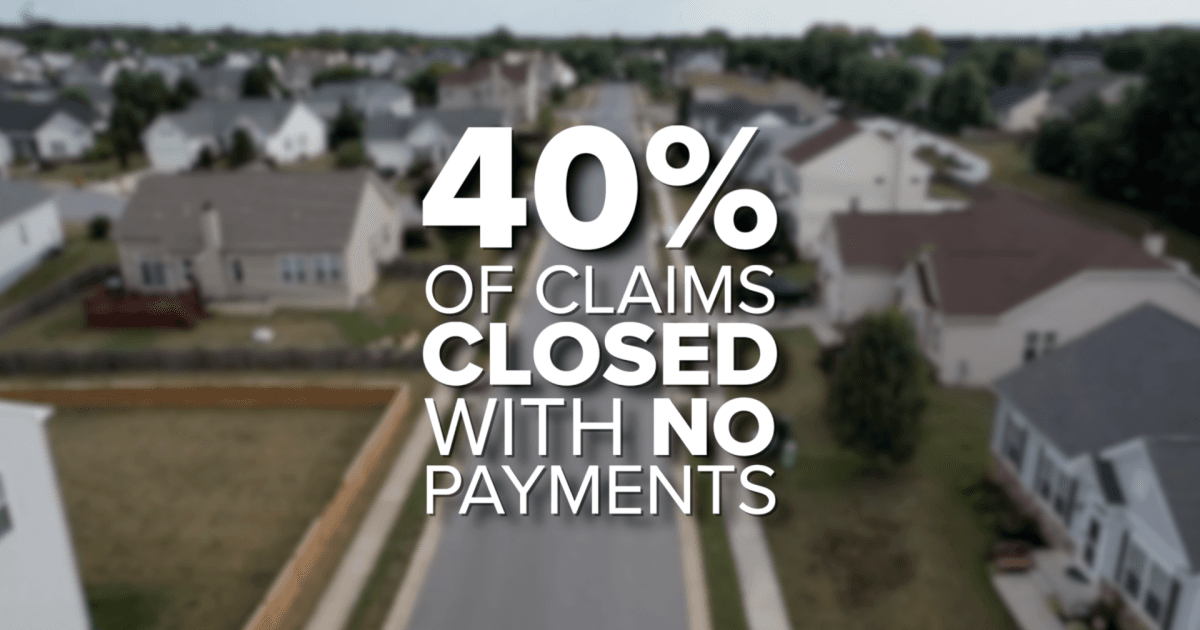
Florida homeowners are paying nearly double the national average for insurance, with premiums now reaching $5,838 a year and denied claims topping 40 percent. Residents report tripled rates, underpaid claims, and mounting financial strain, pushing lawmakers in Tallahassee to propose caps on rate hikes, tax breaks for storm‑proof upgrades, and tighter oversight of insurers. These developments are reshaping real estate and insurance conversations across the state as professionals brace for major industry shifts.
Berkshire County closed Q3 2025 with strong momentum as sales, dollar volume, and buyer competition all climbed year‑over‑year. Inventory showed slight improvement but remains far below demand, keeping the market tilted toward sellers. Single‑family homes and condos led the surge, while multifamily, land, and commercial sectors showed mixed performance. The region continues to stand out as one of New England’s most resilient real estate markets heading into 2026.
Florida homeowners now face the highest insurance burdens in the nation, with average premiums topping $5,800 per year—roughly $3,000 above the national average. As rates triple for some residents, more Floridians are skipping coverage altogether, while denied claims and slow payouts add to the frustration. With over 40 percent of claims closing with no payment and lawmakers battling over reform in Tallahassee, the crisis is reshaping budgets, homebuying decisions, and the real estate industry statewide.
Global capital is surging back into real estate—and this time, investors want more control. Colliers’ 2026 Global Investor Outlook reveals a major shift toward direct investments, joint ventures, and hands‑on strategies as money moves across North America, Europe, and the booming Asia‑Pacific markets. Data centers are now the top‑funded asset class, offices are staging a comeback, and adaptive reuse is reshaping cities worldwide. For real estate and finance professionals, the message is clear: opportunity is accelerating, and those with the right education and licensing will be at the center of the action.
The Fed’s recent rate cuts should have offered relief to commercial real estate—but long-term borrowing costs haven’t budged. While short‑term rates are falling, stubborn long‑term yields, broken deal math, and a trillion‑dollar refinancing wave are keeping the market frozen. For investors and professionals across Florida and the nation, understanding this disconnect is key to navigating the opportunities and risks emerging in today’s shifting CRE landscape.