Florida’s Mobile Home Rent Shake-Up: What New Legislation Could Mean for Residents, Investors, and the Future of Affordable Housing
A sweeping new push in Tallahassee may soon reshape the financial landscape for more than 800,000 Floridians living in mobile home parks. State lawmakers are reviewing major bills that would require park owners to justify rent increases, boost relocation assistance, and strengthen tenant protections. For residents — many living on fixed incomes — these changes feel not only overdue, but urgent.
A Fight for Fairness: What Sparked the Legislation?
The legislative effort — known as the Mobile Home Park Lot Tenancies bills (House Bill 703 and Senate Bill 1550) — follows years of rising lot rents that have left many residents with little cushion in their monthly budgets. Some Floridians have seen rents nearly double with few, if any, improvements to their communities.
One resident shared that rent soared from $325 to nearly $800 in just three years. Another, Olga Figueroa, says her Social Security barely covers her nearly $900 monthly housing cost. Stories like these have fueled a growing demand for transparency, fairness, and stronger oversight statewide.
What the Bills Would Do
If passed, the new laws would require park owners to provide detailed documentation — including invoices and cost breakdowns — whenever they raise lot rents. Reducing amenities without lowering rent could trigger penalties, and courts would gain new authority to assess whether rent increases are justified.
Added protections include giving residents more time to pay, doubling the grace period for late payments to 10 days. Park owners would also be prohibited from enforcing digital-only payment requirements, meaning traditional check payments must still be accepted — a crucial win for seniors and those with limited internet access.
Stronger Relocation Assistance
For residents forced to relocate due to redevelopment, compensation amounts would more than double. Single-section homeowners could receive up to $6,500, while multi-section owners may be eligible for up to $11,500. Even residents abandoning their homes would qualify for up to $7,000 depending on the type of home.
Why This Matters for Real Estate Professionals
This legislation introduces ripple effects across the real estate industry — affecting investors, brokers, community managers, and even future developers. Understanding shifting rules, obligations, and tenant protections is essential for maintaining compliance and long-term success.
And that’s where education takes center stage. At Cameron Academy, we help Florida professionals stay ahead of regulatory changes that impact mobile home parks, property management, and landlord-tenant relations. Whether you’re renewing a license or pursuing a new credential, staying informed is more critical than ever in today’s evolving landscape.
A Shift Toward Accountability
As the Department of Legal Affairs prepares to enforce these rules, Florida may be on the edge of its largest mobile home policy reform in decades. Lawmakers call this a bipartisan opportunity to protect affordability and restore transparency for communities often overlooked.
The bills are currently under committee review, and residents, investors, and industry professionals will be watching closely.
Getting licensed or staying ahead in your career can be a journey—but it doesn’t have to be overwhelming. Grab your favorite coffee or tea, take a moment to relax, and browse through our articles. Whether you’re just starting out or renewing your expertise, we’ve got tips, insights, and advice to keep you moving forward. Here’s to your success—one sip and one step at a time!
Skyrocketing insurance premiums and soaring rebuilding costs are transforming communities across Southwest Florida, especially in the wake of Hurricane Ian. As longtime residents struggle to keep up with rising financial pressure, wealthier newcomers and stricter building standards are reshaping the identity of places like Fort Myers Beach. With insurance rates now driving home sales, triggering potential foreclosures, and squeezing both owners and renters, Florida’s middle-class families face a growing question: can they afford to stay in the state they love?
Florida’s insurance industry is stabilizing fast, with nearly 1.6 million policies shifting from Citizens to private insurers and litigation dropping sharply. Regulators report stronger market confidence, decreasing premiums, and renewed competition—signaling one of the healthiest periods the state has seen in years.
A Leon County judge has ordered the restart of arbitration for Citizens Property Insurance claims, directly conflicting with a previous ruling that halted the process as potentially unconstitutional. With more than 400 cases now back in motion, real estate, insurance, and mortgage professionals can expect renewed activity in claim disputes and fresh uncertainty as Florida courts clash over the legality of Citizens’ arbitration system.
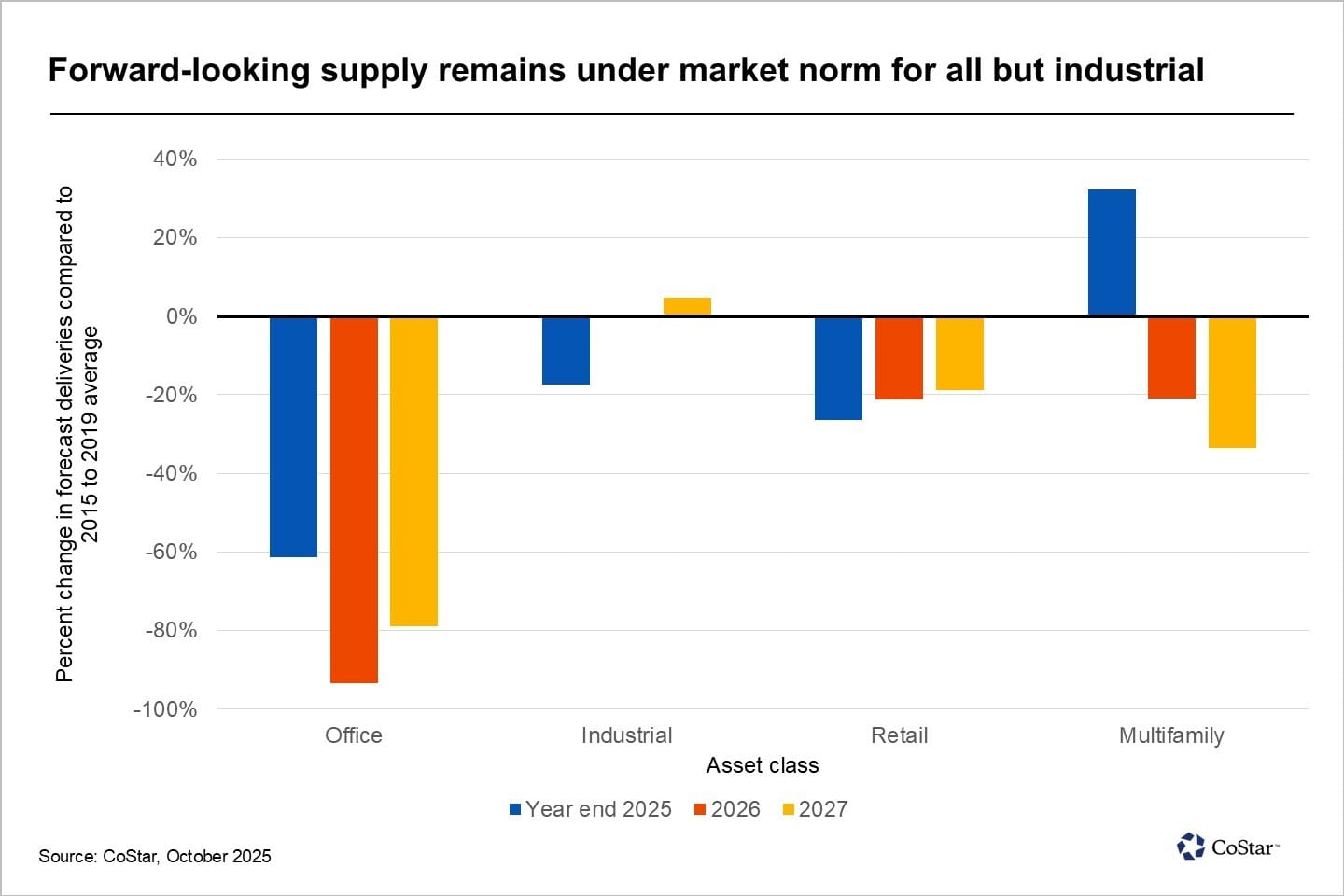
The DFW market is transitioning into a new construction phase marked by a slowdown in office development, a more selective approach to industrial projects, and an evolving housing landscape shaped by affordability and population growth. Developers are recalibrating their priorities, and for real estate professionals, understanding these shifts offers a critical edge in navigating—and capitalizing on—the next phase of the metroplex’s growth.
A new federal lawsuit claims Zillow pushed homebuyers toward Zillow Home Loans by rewarding affiliated agents with valuable leads — all without proper disclosure. The suit alleges undisclosed incentives, referral quotas, and potential RESPA violations, raising major concerns about steering, fiduciary duties, and Zillow’s expanding mortgage ambitions.
The mortgage industry is evolving fast, and the lenders who come out on top will be those who innovate without uprooting what already works. By building on strong technology foundations, streamlining workflows and adopting smart automation, lenders can reduce costs, improve customer experience and stay resilient in any market cycle. This article breaks down why innovation matters now, how a stable tech ecosystem protects lenders in volatile conditions and why small, strategic steps can drive long-term transformation.