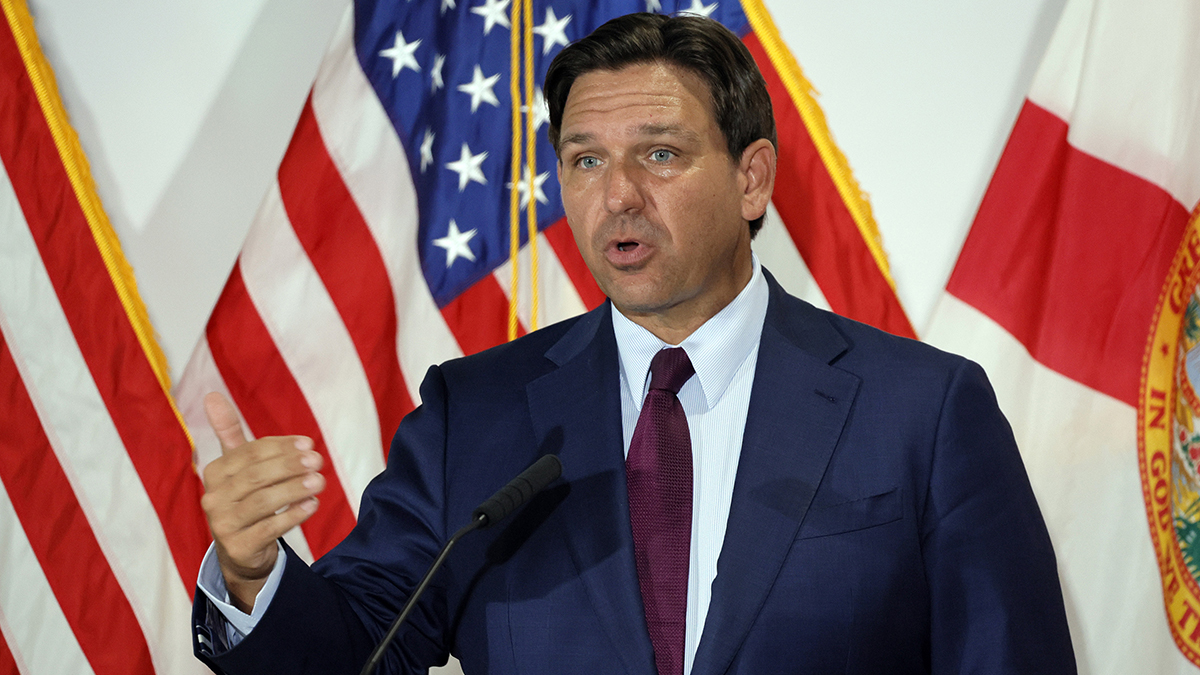
Today marks a significant shift for homeowners in Florida as a suite of new laws takes effect, driven by the legislative efforts of Florida Realtors. These laws, approved by Governor Ron DeSantis, are designed to enhance affordability and protection for residents, touching on various aspects of the real estate industry.

Boosting Housing Programs

At the forefront is the Hometown Heroes Housing Program (SB 328), which sees an additional $100 million allocated to aid first-time homebuyers, particularly those in essential service roles such as teachers and healthcare workers. This initiative aligns with previous efforts to stimulate private investment in affordable housing, providing necessary guidance on local zoning and density regulations. Realtors are encouraged to direct clients to the Hometown Heroes Program.

In a similar vein, the My Safe Florida Home Program (SB 7028) receives a $200 million boost, aimed at empowering homeowners to fortify their homes against severe weather, thereby reducing insurance costs. The program now includes free inspections and grants up to $10,000 for low-income homeowners without the need for matching funds. More details can be found here.

Expanding Protection to Condos

The My Safe Florida Condominium Pilot Program (HB 1029) extends these protective measures to coastal condominiums, with $30 million dedicated to strengthening roofs and openings against storms. Information for interested parties is available here.

Additionally, the Protecting Private Property Rights (HB 62) law addresses the issue of illegal squatting, allowing property owners to swiftly evict unauthorized occupants, further details of which can be accessed here.

Financial and Environmental Initiatives

Lawmakers have earmarked $408 million for state and local affordable housing programs, alongside a mandate for a 1.75% deduction in property insurance premiums under Property Insurance Cost Reductions (HB 7073). These measures aim to alleviate financial pressures on homeowners.

Environmental efforts are bolstered with over $1.2 billion allocated for water quality initiatives, including Everglades restoration and mitigation of harmful algal blooms.

Looking Ahead

Future legislation includes increased transparency in condominium and homeowners’ association documents, with requirements for digital accessibility. Upcoming laws will also mandate seller flood disclosures and digital record-keeping for homeowner associations, with phased implementation over the next few years.

These legislative changes, as highlighted in the original article, reflect a proactive approach by Florida’s legislative assembly and Florida Realtors to address critical housing and environmental issues, promising widespread benefits for Floridians.


More Articles

Getting licensed or staying ahead in your career can be a journey—but it doesn’t have to be overwhelming. Grab your favorite coffee or tea, take a moment to relax, and browse through our articles. Whether you’re just starting out or renewing your expertise, we’ve got tips, insights, and advice to keep you moving forward. Here’s to your success—one sip and one step at a time!

Florida Homeowners Finally Get Relief as Gov. DeSantis Announces Significant Insurance Premium Cuts

Florida homeowners — especially in hard‑hit South Florida — are set to see rare and substantial reductions in their property insurance premiums. Gov. Ron DeSantis announced an average statewide Citizens Insurance decrease of 8.7%, with even larger savings of up to 14% in counties like Miami-Dade, Broward, and Palm Beach. State officials credit recent legal and regulatory reforms for stabilizing the market, attracting new insurers, and delivering the first meaningful rate relief Floridians have seen in years.

Tampa’s Real Estate Market Enters a Smarter, More Selective Growth Phase

Tampa’s commercial real estate market isn’t slowing—it’s maturing. With strong population growth, rising office demand, a normalized industrial sector, resurgent retail, and an emerging health‑care real estate boom, investors are shifting from speed to strategy. Tighter underwriting, cautious capital and increased due‑diligence are shaping a more disciplined market, creating new opportunities for informed professionals.

Florida Slashes Home Insurance Rates: Biggest Drop in a Decade Sends Shockwaves Through the Market

Florida homeowners are finally seeing relief as Citizens Property Insurance announces a major 8.7% average rate decrease—far larger than originally proposed. Driven by legislative reforms, fewer lawsuits, and a calm hurricane season, the state’s once‑unstable insurance market is showing real signs of recovery. But with reduced coverage limits and shifting legal protections, experts warn that lower premiums may come with hidden trade‑offs.

Florida Homeowners Finally Get Insurance Relief After Years of Soaring Premiums

After a decade of rising premiums and retreating carriers, Florida homeowners are finally seeing long‑awaited relief. Dozens of insurers have filed for rate decreases—some as high as 11%—thanks to legislative reforms and a stabilizing market. Early approvals are already hitting counties across the state, and experts say the momentum could boost buyer confidence, affordability, and competition throughout Florida’s real estate and insurance sectors.

Self‑Storage Investing in 2026: A Market Thaw Opens the Door to Big Opportunities

After years of slowed activity caused by rising interest rates, the self‑storage industry is heating up again. New data from Marcus & Millichap shows a fresh market cycle emerging, driven by renewed buyer confidence, recalibrated pricing, and stronger lender participation. Acquisitions are rebounding, development is resetting in a healthier direction, and financing conditions are improving—creating one of the most promising investment landscapes the sector has seen in years.

Brookline’s Real Flood Risk: What FEMA’s New Maps Reveal—and What They Miss

Brookline’s newly updated FEMA flood maps identify 97 high‑risk parcels, but local experts warn the true threat is far greater. While FEMA highlights river‑based flooding around Leverett Pond and the Muddy River, alternative models show more than 1,300 Brookline properties at risk within 30 years. Hidden vulnerabilities along major corridors like Beacon Street, rising rainfall intensity, aging infrastructure, and climate‑driven storm patterns suggest that many “low‑risk” areas may be anything but safe.