Florida’s Next Mega-Development: Winchester Ranch Brings Nearly 9,000 Homes to Sarasota County
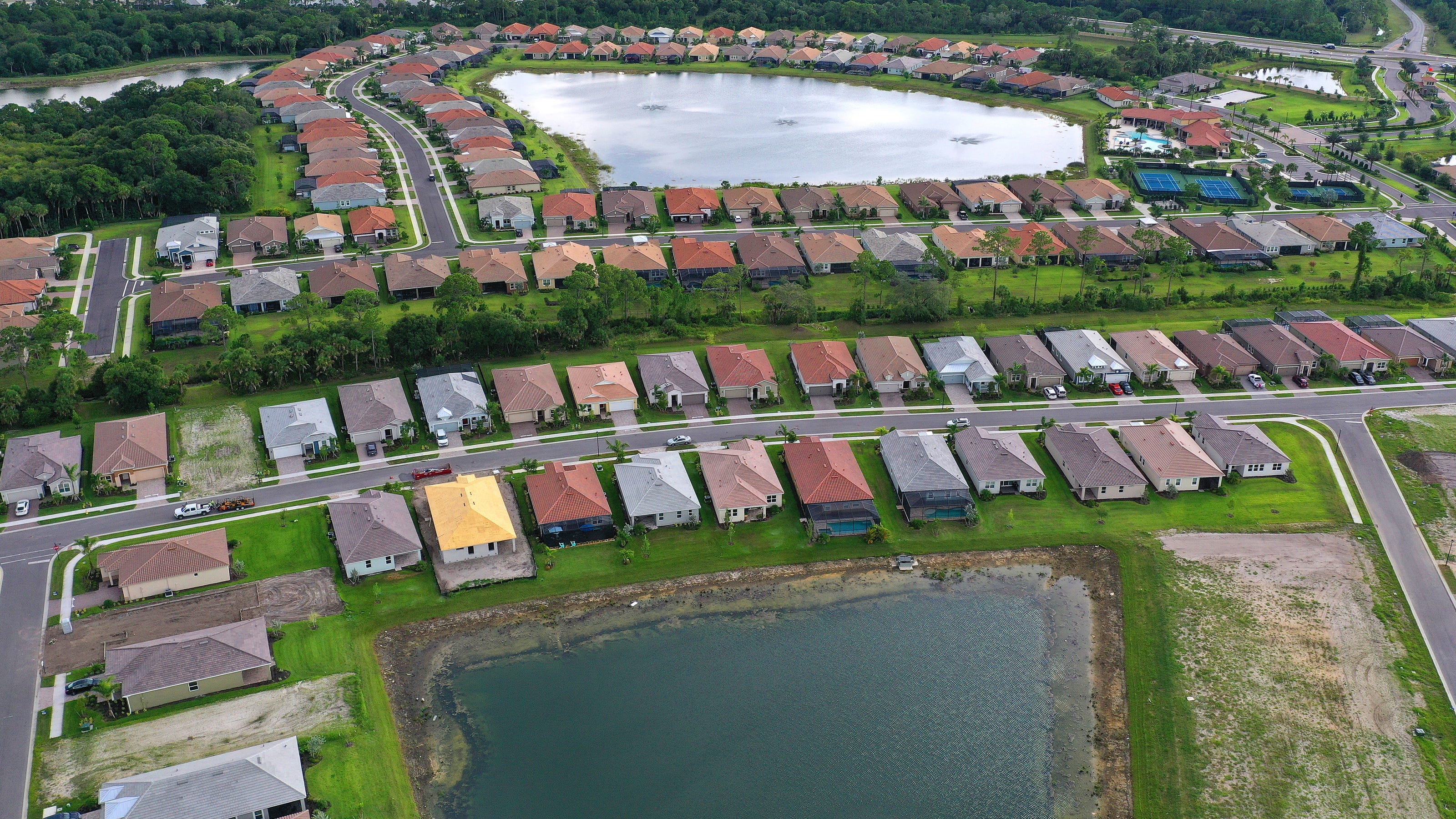
Aerial view of suburban florida neighborhood

A new mega-development is taking shape in Southwest Florida, and its scale is big enough to reshape the region’s housing landscape. The Sarasota County Planning Commission has officially recommended approval for the Winchester Ranch project—an expansive community that could bring up to 8,999 new homes and 200,000 square feet of commercial and industrial space to the North Port area.

While the Sarasota County Commission will make the final call in early 2026, the project already represents one of the most significant potential expansions in the county’s modern history. For real estate professionals, investors, developers, and anyone tracking Florida’s explosive growth, Winchester Ranch is poised to become a major talking point in the years to come.

What Exactly Is Winchester Ranch?

The development spans more than 3,100 acres, with 2,433 acres formerly designated as rural land. Developers—who also built the acclaimed Wellen Park community—plan to break ground between 2027 and 2028 pending final approval.

The site borders the Myakka State Forest, fueling both excitement and environmental concern across Sarasota County. The plan includes:

Planned Features

• Up to 8,999 residential units
• 100,000 sq. ft. commercial space
• 100,000 sq. ft. industrial space
• Master-planned neighborhoods and infrastructure
• Proximity to booming North Port

Several components of the project were approved years ago, but procedural updates have sent developers back to the county for rezoning—this time amid a political climate far more skeptical of large-scale development.

Why Sarasota County? Why Now?

North Port consistently ranks among the fastest-growing cities in America. As home prices throughout Sarasota County rise—up roughly 42% since 2020—demand for new construction continues to surge.

Although median home prices in North Port dipped slightly to around $340,045 this fall, the number of homes sold has nearly doubled over the past three years, signaling strong buyer activity and investor confidence.

Statewide, Florida is in an unprecedented development boom. But rapid growth comes with equally rapid concerns—traffic, affordability, infrastructure strain, and environmental impact. Winchester Ranch sits at the heart of these conversations.

A Divided Planning Commission

The commission advanced the recommendation with a 7–1 vote. The lone dissenter, Commissioner Jon Thaxton—an outspoken environmental advocate—warned of the project’s long-term ecological impact.

“I have spent 40-plus years arguing against such developments,” Thaxton stated, emphasizing potential harm to Myakka State Forest.

Other commissioners, including Vice Chair John LaCivita and Mitzie Fiedler, expressed confidence in developer restraint, noting that market demand naturally throttles construction.

Development attorney Bill Merrill reinforced compliance with state wildlife corridor and conservation guidelines, countering concerns from environmental groups.

Why This Matters for Florida Real Estate Professionals

Large master-planned communities like Winchester Ranch don’t just shape skylines—they shape careers. Whether you work in residential sales, development, mortgage, appraisal, or property management, projects of this scale influence:

• Housing supply and absorption
• Regional pricing trends
• New investment pathways
• Infrastructure expansion
• Workforce needs and migration patterns

For students preparing for a real estate career—or seasoned professionals expanding their credentials—understanding how developments like this move from blueprint to reality offers a major competitive edge. It’s the kind of real-world market insight that Cameron Academy integrates into our Florida real estate licensing and continuing education programs.

Explore the Original Reporting

Tap to read the full Herald-Tribune article

The Sarasota Herald-Tribune delivers thorough, ongoing coverage of development, growth, and planning decisions across the region.

Follow reporter Christian Casale, and consider supporting the Herald-Tribune for strong, community-centered journalism.

More Articles

Getting licensed or staying ahead in your career can be a journey—but it doesn’t have to be overwhelming. Grab your favorite coffee or tea, take a moment to relax, and browse through our articles. Whether you’re just starting out or renewing your expertise, we’ve got tips, insights, and advice to keep you moving forward. Here’s to your success—one sip and one step at a time!

The Future of Commercial Real Estate: What 2030 Could Really Look Like

Commercial real estate is entering a decade of major transformation driven by interest rate pressures, evolving work culture, rapid proptech innovation, and growing demand for AI-focused infrastructure. While the global CRE market is projected to reach $133.5 trillion by 2028, rising rates, shifting office demand, and increasing sustainability requirements are reshaping how professionals invest, manage, and develop properties. By 2030, the biggest opportunities will center on mixed‑use conversions, data center growth, premium office spaces, and ESG‑driven upgrades.

NAR’s Antitrust Settlement Reshapes Real Estate: What Every Agent Needs to Know

The National Association of Realtors’ landmark antitrust settlement is transforming how real estate agents negotiate compensation, work with buyers, and handle transparency in transactions. With MLS‑posted buyer‑broker commissions eliminated and written buyer agreements now required, both consumers and professionals are navigating a new, more transparent landscape. While commission levels have only dipped slightly, the real shift is in how openly compensation is discussed and negotiated—creating new challenges and opportunities for agents who adapt quickly.

AI Supercharges Proptech in 2025: A Market Maturing at High Speed

Artificial intelligence is no longer a novelty in real estate — 2025 marks its breakthrough year as a dependable pillar of the proptech industry. With investors pouring capital into AI‑powered forecasting, security, automation, and property management tools, the sector is shifting from experimentation to full‑scale adoption. Brokerages, developers, and institutional players now rely on AI to streamline due diligence, enhance market modeling, reduce risk, and optimize building operations. As adoption accelerates, professionals who understand and leverage these technologies are gaining a decisive competitive edge in fast‑moving markets like Florida.

Too Many Cooks in the Kitchen? The 2026 Insurance Outlook Everyone’s Watching

A new episode of Current Account breaks down why the insurance industry is heading into 2026 with more uncertainty — and more opportunity — than ever. From shifting global regulations and rising catastrophe risks to FSOC’s evolving role in the U.S., industry leaders Jérôme Haegeli and Philippe Brahin explain how insurers are being pushed to rethink strategy in real time. With global premium growth expected to slow and regulatory pressures rising, professionals in insurance and financial services are turning to education and new skills to stay ahead in a rapidly changing market.

New Jersey’s Commercial Real Estate Boom: The Surprising Power Move Shaping 2026

New Jersey is quietly becoming one of the hottest commercial real estate markets in the nation, with Jersey City and North Jersey breaking into the top 10 in PwC’s 2026 Emerging Trends report. Fueled by redevelopment momentum, data‑center demand, mixed‑use transformations and a surge in health‑care projects, the state is drawing major investors while still battling rising construction costs and municipal fatigue. For real estate professionals, the Garden State’s evolution signals fresh opportunity—and a market worth watching closely heading into 2026.

NCOIL Challenges Trump’s AI Order, Warning of Major Impacts on Insurance Regulation

The National Council of Insurance Legislators is pushing back against President Trump’s new executive order on artificial intelligence, arguing that it threatens decades of state‑based insurance oversight. NCOIL leaders say federal attempts to centralize AI authority could disrupt markets, weaken consumer protections, and limit states’ ability to innovate—setting the stage for a significant legal and political battle with major implications for insurance professionals who rely on AI‑driven tools and regulatory clarity.