Florida’s Next Mega-Development: Winchester Ranch Brings Nearly 9,000 Homes to Sarasota County
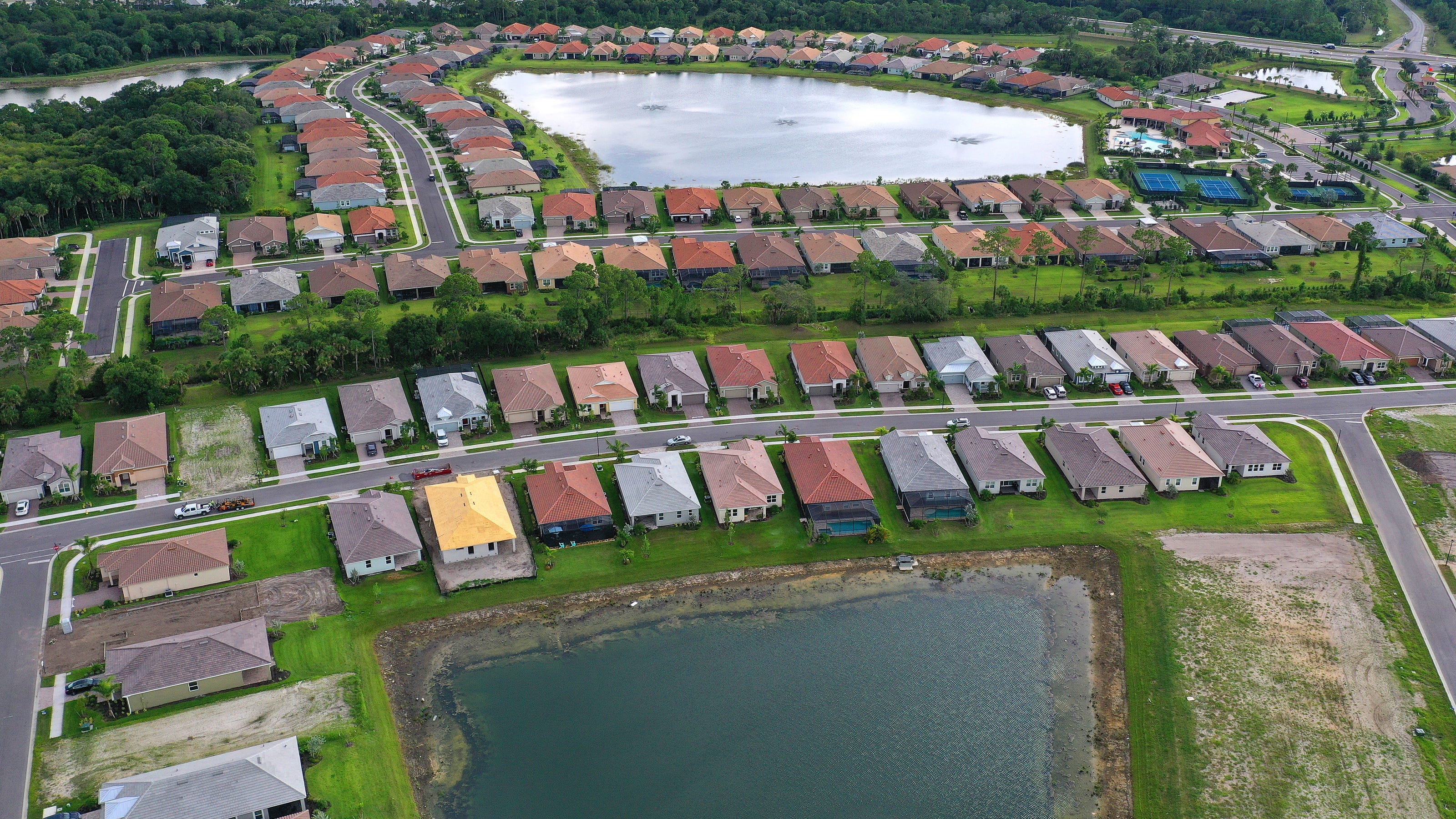
A new mega-development is taking shape in Southwest Florida, and its scale is big enough to reshape the region’s housing landscape. The Sarasota County Planning Commission has officially recommended approval for the Winchester Ranch project—an expansive community that could bring up to 8,999 new homes and 200,000 square feet of commercial and industrial space to the North Port area.
While the Sarasota County Commission will make the final call in early 2026, the project already represents one of the most significant potential expansions in the county’s modern history. For real estate professionals, investors, developers, and anyone tracking Florida’s explosive growth, Winchester Ranch is poised to become a major talking point in the years to come.
What Exactly Is Winchester Ranch?
The development spans more than 3,100 acres, with 2,433 acres formerly designated as rural land. Developers—who also built the acclaimed Wellen Park community—plan to break ground between 2027 and 2028 pending final approval.
The site borders the Myakka State Forest, fueling both excitement and environmental concern across Sarasota County. The plan includes:
Planned Features
• Up to 8,999 residential units
• 100,000 sq. ft. commercial space
• 100,000 sq. ft. industrial space
• Master-planned neighborhoods and infrastructure
• Proximity to booming North Port
Several components of the project were approved years ago, but procedural updates have sent developers back to the county for rezoning—this time amid a political climate far more skeptical of large-scale development.
Why Sarasota County? Why Now?
North Port consistently ranks among the fastest-growing cities in America. As home prices throughout Sarasota County rise—up roughly 42% since 2020—demand for new construction continues to surge.
Although median home prices in North Port dipped slightly to around $340,045 this fall, the number of homes sold has nearly doubled over the past three years, signaling strong buyer activity and investor confidence.
Statewide, Florida is in an unprecedented development boom. But rapid growth comes with equally rapid concerns—traffic, affordability, infrastructure strain, and environmental impact. Winchester Ranch sits at the heart of these conversations.
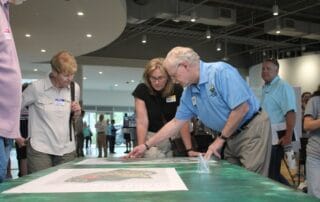
A Divided Planning Commission
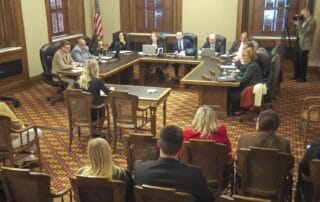
The commission advanced the recommendation with a 7–1 vote. The lone dissenter, Commissioner Jon Thaxton—an outspoken environmental advocate—warned of the project’s long-term ecological impact.
“I have spent 40-plus years arguing against such developments,” Thaxton stated, emphasizing potential harm to Myakka State Forest.
Other commissioners, including Vice Chair John LaCivita and Mitzie Fiedler, expressed confidence in developer restraint, noting that market demand naturally throttles construction.
Development attorney Bill Merrill reinforced compliance with state wildlife corridor and conservation guidelines, countering concerns from environmental groups.
Why This Matters for Florida Real Estate Professionals
Large master-planned communities like Winchester Ranch don’t just shape skylines—they shape careers. Whether you work in residential sales, development, mortgage, appraisal, or property management, projects of this scale influence:
• Housing supply and absorption
• Regional pricing trends
• New investment pathways
• Infrastructure expansion
• Workforce needs and migration patterns
For students preparing for a real estate career—or seasoned professionals expanding their credentials—understanding how developments like this move from blueprint to reality offers a major competitive edge. It’s the kind of real-world market insight that Cameron Academy integrates into our Florida real estate licensing and continuing education programs.
Explore the Original Reporting
Tap to read the full Herald-Tribune article
The Sarasota Herald-Tribune delivers thorough, ongoing coverage of development, growth, and planning decisions across the region.
Follow reporter Christian Casale, and consider supporting the Herald-Tribune for strong, community-centered journalism.