Florida’s Next Mega-Development: Winchester Ranch Brings Nearly 9,000 Homes to Sarasota County
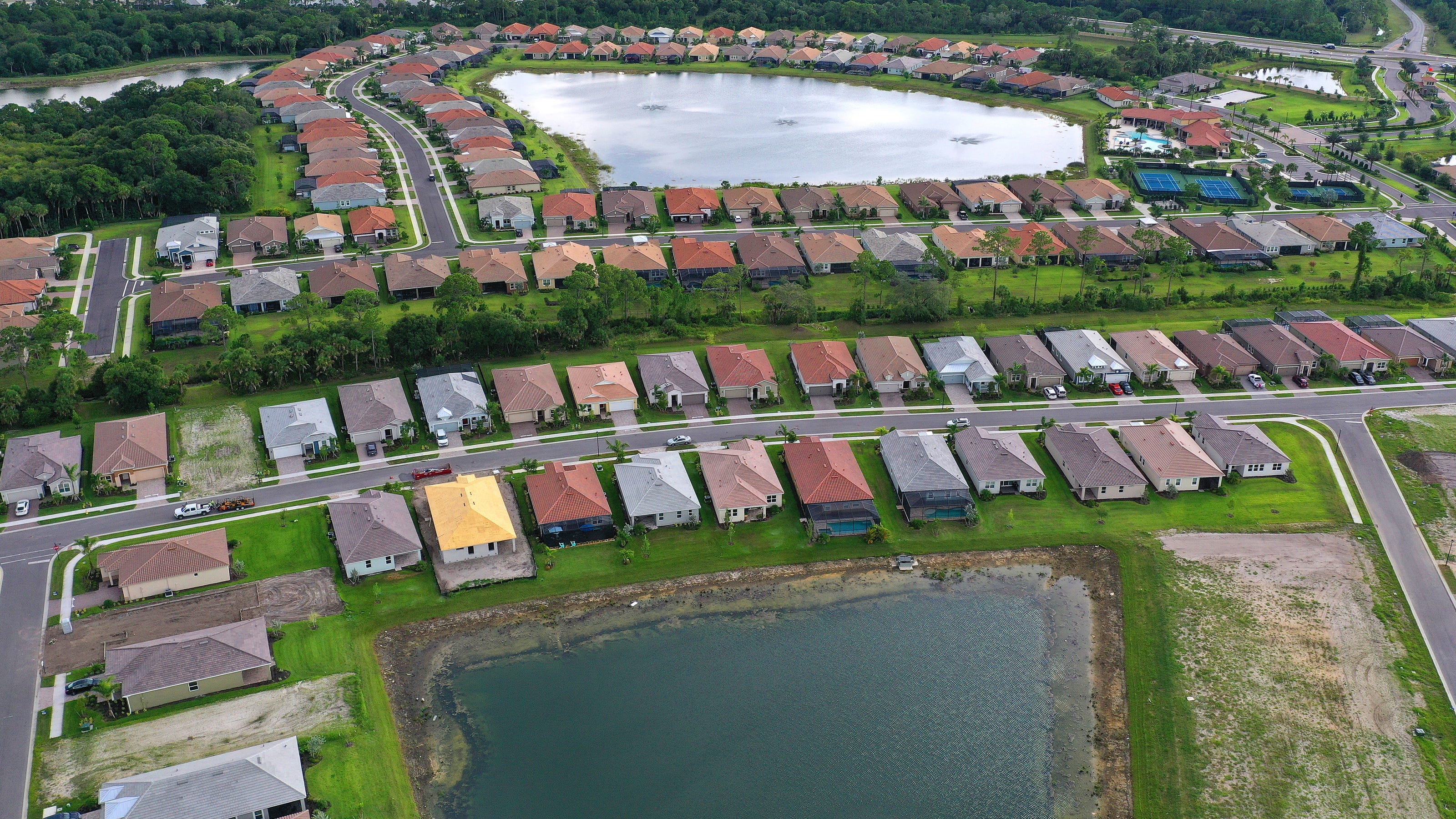
Aerial view of suburban florida neighborhood

A new mega-development is taking shape in Southwest Florida, and its scale is big enough to reshape the region’s housing landscape. The Sarasota County Planning Commission has officially recommended approval for the Winchester Ranch project—an expansive community that could bring up to 8,999 new homes and 200,000 square feet of commercial and industrial space to the North Port area.

While the Sarasota County Commission will make the final call in early 2026, the project already represents one of the most significant potential expansions in the county’s modern history. For real estate professionals, investors, developers, and anyone tracking Florida’s explosive growth, Winchester Ranch is poised to become a major talking point in the years to come.

What Exactly Is Winchester Ranch?

The development spans more than 3,100 acres, with 2,433 acres formerly designated as rural land. Developers—who also built the acclaimed Wellen Park community—plan to break ground between 2027 and 2028 pending final approval.

The site borders the Myakka State Forest, fueling both excitement and environmental concern across Sarasota County. The plan includes:

Planned Features

• Up to 8,999 residential units
• 100,000 sq. ft. commercial space
• 100,000 sq. ft. industrial space
• Master-planned neighborhoods and infrastructure
• Proximity to booming North Port

Several components of the project were approved years ago, but procedural updates have sent developers back to the county for rezoning—this time amid a political climate far more skeptical of large-scale development.

Why Sarasota County? Why Now?

North Port consistently ranks among the fastest-growing cities in America. As home prices throughout Sarasota County rise—up roughly 42% since 2020—demand for new construction continues to surge.

Although median home prices in North Port dipped slightly to around $340,045 this fall, the number of homes sold has nearly doubled over the past three years, signaling strong buyer activity and investor confidence.

Statewide, Florida is in an unprecedented development boom. But rapid growth comes with equally rapid concerns—traffic, affordability, infrastructure strain, and environmental impact. Winchester Ranch sits at the heart of these conversations.

A Divided Planning Commission

The commission advanced the recommendation with a 7–1 vote. The lone dissenter, Commissioner Jon Thaxton—an outspoken environmental advocate—warned of the project’s long-term ecological impact.

“I have spent 40-plus years arguing against such developments,” Thaxton stated, emphasizing potential harm to Myakka State Forest.

Other commissioners, including Vice Chair John LaCivita and Mitzie Fiedler, expressed confidence in developer restraint, noting that market demand naturally throttles construction.

Development attorney Bill Merrill reinforced compliance with state wildlife corridor and conservation guidelines, countering concerns from environmental groups.

Why This Matters for Florida Real Estate Professionals

Large master-planned communities like Winchester Ranch don’t just shape skylines—they shape careers. Whether you work in residential sales, development, mortgage, appraisal, or property management, projects of this scale influence:

• Housing supply and absorption
• Regional pricing trends
• New investment pathways
• Infrastructure expansion
• Workforce needs and migration patterns

For students preparing for a real estate career—or seasoned professionals expanding their credentials—understanding how developments like this move from blueprint to reality offers a major competitive edge. It’s the kind of real-world market insight that Cameron Academy integrates into our Florida real estate licensing and continuing education programs.

Explore the Original Reporting

Tap to read the full Herald-Tribune article

The Sarasota Herald-Tribune delivers thorough, ongoing coverage of development, growth, and planning decisions across the region.

Follow reporter Christian Casale, and consider supporting the Herald-Tribune for strong, community-centered journalism.


More Articles

Getting licensed or staying ahead in your career can be a journey—but it doesn’t have to be overwhelming. Grab your favorite coffee or tea, take a moment to relax, and browse through our articles. Whether you’re just starting out or renewing your expertise, we’ve got tips, insights, and advice to keep you moving forward. Here’s to your success—one sip and one step at a time!

Florida’s Insurance Market Meltdown: Why New Reforms Are Repeating Old Mistakes

Florida’s property insurance system is once again spiraling as new “market-friendly” reforms fail to stabilize rising premiums, insurer failures, and mounting homeowner frustration. Despite aggressive efforts to shift policyholders from Citizens to private carriers, many of the new insurers stepping in are tied to past insolvencies, questionable ratings, and political influence. For real estate, mortgage, and insurance professionals, these systemic cracks are reshaping closings, valuations, and risk across the state—making it essential to stay ahead of ongoing regulatory and market shifts.

Top 2026 Commercial Real Estate Issues: The Trends Professionals Must Watch

Commercial real estate is heading into a turning‑point year in 2026, driven by economic uncertainty, AI‑powered transformation, shifting demographics and rising portfolio risk. Insights from The Counselors of Real Estate highlight the top issues shaping the year ahead—from fiscal pressures and capital constraints to housing shortages, global volatility and the future of data‑driven decision‑making. For real estate, mortgage, insurance and finance professionals, these trends offer a clear roadmap for staying competitive and preparing for the next wave of industry change.

The Tech Wave Transforming Real Estate in 2025

AI-powered tools, fraud protection systems, and smarter MLS integrations are sweeping through the real estate industry as major organizations adopt new technologies. From RealReports hitting its 50th partnership to BeachesMLS unveiling instant AI home visualizations and Doorify boosting security, professionals are seeing rapid advancements that promise sharper insights, safer transactions, and more efficient rental workflows. This evolving tech landscape underscores the importance of staying educated and adaptable — especially for agents preparing for a competitive, AI-enhanced 2025 market.

Florida’s Insurance Crisis Deepens as Premiums Soar and Claims Go Unpaid

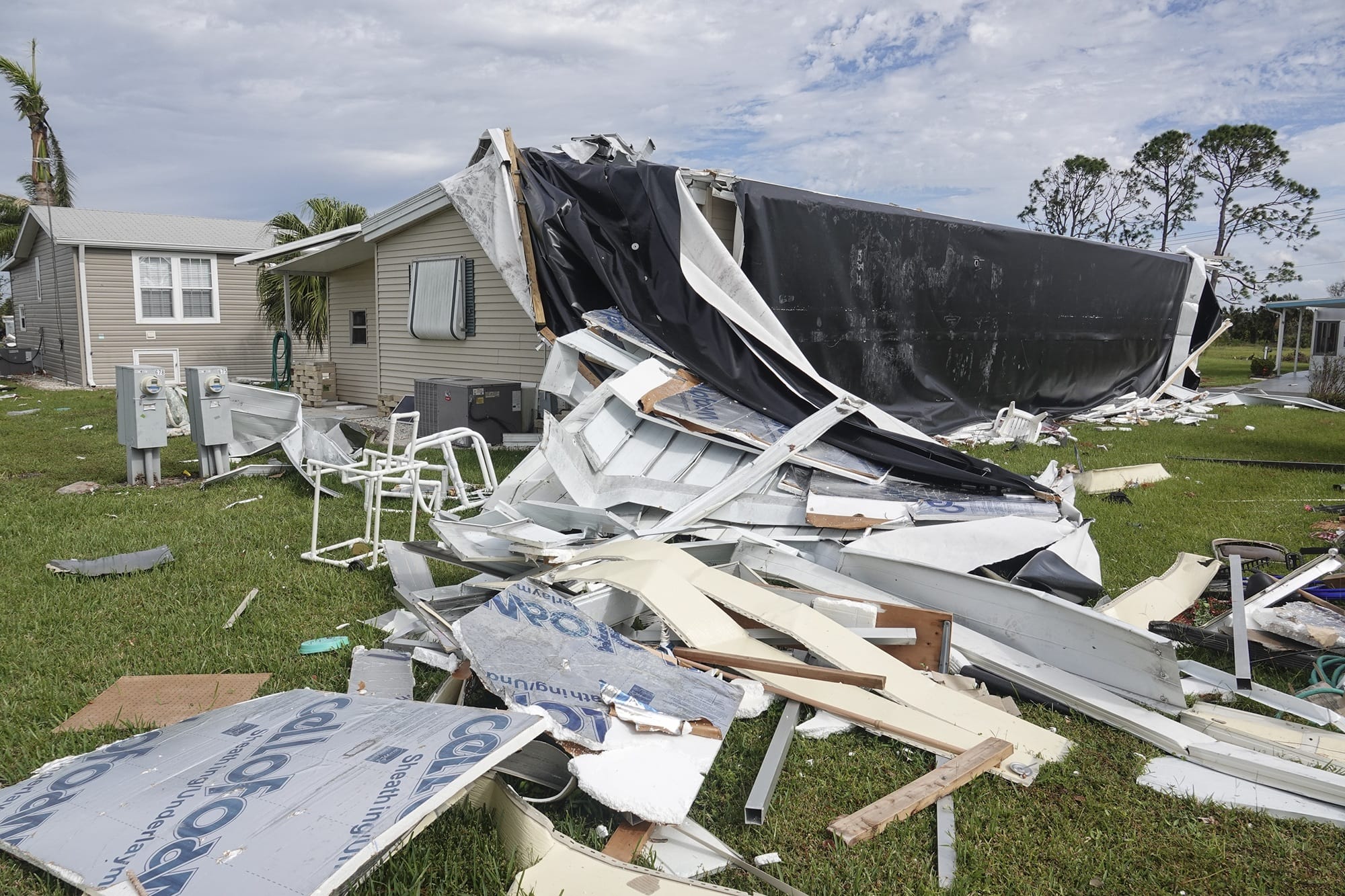
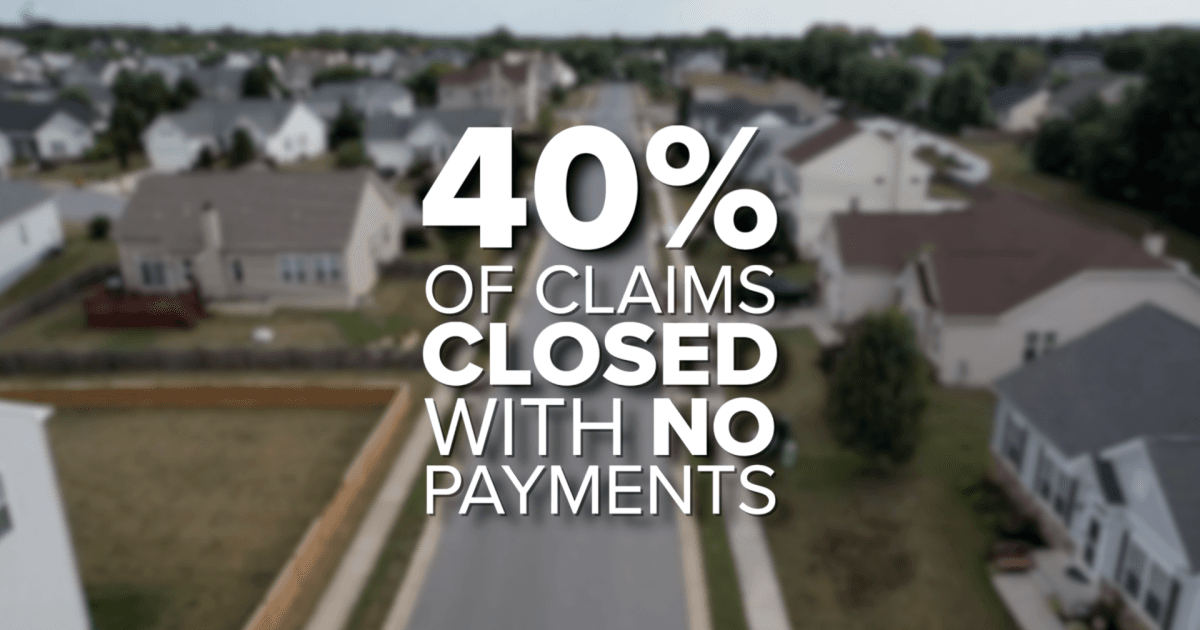
Florida homeowners are being hit with the highest insurance premiums in the nation, averaging $5,838 per year—nearly double the U.S. average. As costs skyrocket, many residents are reporting denied claims, non‑renewals, and impossible financial choices. New investigations reveal that more than 40 percent of claims in Florida close with no payment, while lawmakers push for transparency, fair pricing, and meaningful reform to stabilize a market that’s rapidly becoming unsustainable.

AI-Powered Parking Startup Vend Park Secures $17.5M to Transform a Forgotten Real Estate Asset

Vend Park, a Boston-based proptech company, has raised $17.5 million in Series A funding to reinvent parking as a high-performing commercial real estate asset. By replacing outdated operator–vendor systems with a unified AI-driven platform, Vend Park is helping major property owners boost NOI by up to 30%, slash operating costs, and modernize the tenant experience. As the company expands from three to fifteen cities and partners with giants like Nuveen and Jamestown, its technology highlights a major shift: real estate professionals must now understand AI, automation, and digital infrastructure to stay competitive.

Keller Williams Atlanta Partners Teams Up with Southeast Mortgage in a Major Georgia Market Shake‑Up

Keller Williams Realty Atlanta Partners has formed an exclusive partnership with Southeast Mortgage, Georgia’s largest non‑bank mortgage lender. The collaboration promises faster, tech‑enhanced transactions for both agents and homebuyers, combining real estate expertise with streamlined mortgage services. This move reflects a growing trend toward integrated real‑estate ecosystems designed to reduce delays, boost transparency, and modernize the homebuying experience.