Florida’s Property Insurance Battle Heats Up as 2026 Looms
Florida townhomes aerial view

Florida’s insurance market is once again taking center stage, and the political arena is gearing up for a showdown that may define the 2026 election cycle. Homeowners, condo associations, landlords, and everyday drivers continue battling soaring premiums, while both state parties push competing stories about what’s happening—and what comes next.

Reforms Are Working, Republicans Say

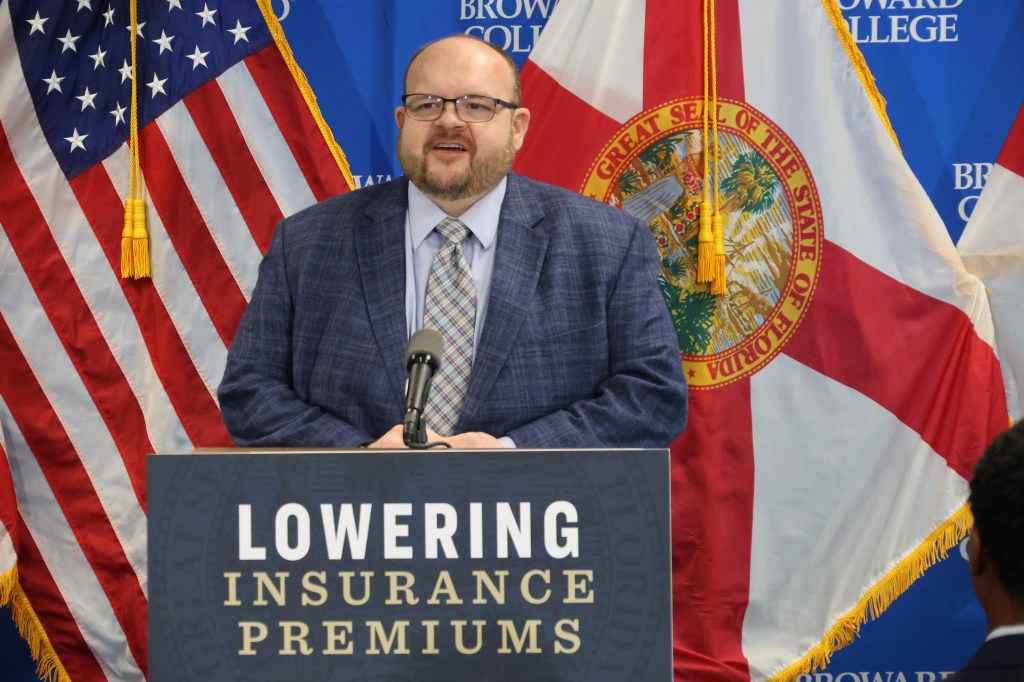
Florida CFO Blaise Ingoglia is doubling down on the state’s sweeping insurance reforms, arguing that the worst is finally behind us. He highlights litigation cleanups, fraud crackdowns, and a reshaped reinsurance landscape as clear momentum.

“Clearly the reforms are working,” Ingoglia said, pointing to early signs such as Progressive returning $1 billion to policyholders and State Farm cutting auto rates by 10%.

Read the Original WPTV Report

While acknowledging continuing pressure on homeowners, Ingoglia notes that more carriers are returning to Florida and reinsurance pricing is gradually easing—two major ingredients, he argues, for meaningful relief ahead.

Democrats Push Back: “Families Can’t Wait”

Democratic leaders counter that Floridians remain among the hardest‑hit insurance consumers in the United States. Senate Minority Leader Lori Berman has emphasized that insurance premiums—not property taxes—are Florida’s real affordability crisis.

Fresh national housing data supports her concerns: Florida condo prices have dropped more than 8%, fueled by steep HOA assessments and post‑Surfside insurance spikes. Five Florida metros now rank in the top ten for highest insurance burdens nationwide.

Bankrate reports Floridians pay over $4,100 per year for auto insurance—the highest rate in America.

See Realtor.com’s Condo Market Research

House Minority Leader Fentrice Driskell argues that Florida needs clearer rate‑hike caps, greater transparency, and stronger incentives that reward storm‑hardening instead of shifting costs onto homeowners.

2026: The Big Showdown

Insurance will almost certainly dominate Florida’s 2026 political season. From families squeezed by premiums to businesses weighing risk exposure to real estate professionals navigating a more unpredictable market, affordability is now the defining issue of the moment.

Lawmakers return to Tallahassee on January 13, preparing for what many expect to be a headline battle over how fast—if at all—the insurance market is stabilizing.

Why This Matters for Real Estate and Licensing Professionals

For Florida agents, brokers, appraisers, and property managers, insurance market conditions directly influence homebuying demand, condo lending, closings, and long‑term property values. Understanding these policy battles is becoming just as essential as understanding the MLS itself.

Cameron Academy continues empowering real estate professionals by keeping them informed about industry‑shaping changes like these. Whether you’re renewing your Florida real estate license or stepping into the industry for the first time, understanding insurance trends is quickly becoming core local knowledge.

Explore Cameron Academy Licensing & CE Programs

More Articles

Getting licensed or staying ahead in your career can be a journey—but it doesn’t have to be overwhelming. Grab your favorite coffee or tea, take a moment to relax, and browse through our articles. Whether you’re just starting out or renewing your expertise, we’ve got tips, insights, and advice to keep you moving forward. Here’s to your success—one sip and one step at a time!

Florida’s Property Insurance Crossroads: Stability Ahead or Another Storm Brewing?

Florida’s property insurance market is finally showing signs of recovery after years of soaring premiums, litigation chaos, and insurer withdrawals. With rate increases now the lowest in the nation, Citizens Insurance shrinking, and new carriers re‑entering the state, Insurance Commissioner Michael Yaworsky says the market is turning a corner. But while stabilization is underway, many homeowners are still asking why premiums haven’t dropped—and the answer lies in skyrocketing replacement costs, not rates. As reforms continue and AI, transparency rules, and mitigation incentives expand, real estate and insurance professionals should prepare for an evolving landscape that directly impacts affordability, buyer behavior, and long‑term market confidence.

NAMB President Unveils Bold Plan to Tackle America’s Housing Affordability Crisis

In a candid conversation with Mortgage Professional America, NAMB president Kimber White lays out a series of structural reforms aimed at restoring homeownership access for millions of Americans. From revitalizing down payment assistance to rethinking loan-level price adjustments and incentivizing builders, White argues that meaningful affordability relief is achievable—but only through coordinated policy changes that address both costs and inventory shortages.

AI Regulation Showdown: States vs. Federal Government in the Insurance Industry

Artificial intelligence is rapidly transforming the insurance world, but a major power struggle is unfolding over who gets to regulate it. As insurers adopt AI at record speed, state regulators and the federal government are clashing over oversight authority—especially after a new executive order aims to put Washington in charge. With states pushing back and new evaluation tools on the horizon, the future of AI in insurance is becoming one of the biggest regulatory battles professionals need to watch.

Investors Plan Major Capital Push Into U.S. Commercial Real Estate for 2026, CBRE Survey Finds

A new CBRE Investor Intentions Survey shows that 2026 is shaping up to be a strong year for commercial real estate, with 95 percent of investors planning to buy more assets and over half increasing their capital allocation. Stabilizing pricing, improving market fundamentals, and expectations of cooling debt costs are driving renewed optimism as investors target high‑growth markets like Dallas, Atlanta, Tampa, and Charlotte, while doubling down on multifamily, industrial, and value‑add strategies.

Lofty Launches First Agentic AI Operating System, Reshaping How Real Estate Agents Work

Lofty has introduced Lofty AOS, the first agentic AI operating system built to autonomously manage real estate workflows—from lead engagement to marketing, transactions, and website creation. Unlike traditional AI that waits for prompts, Lofty’s system operates like a full digital workforce, coordinating tasks across specialized AI agents. As this technology transforms daily operations for agents and brokerages, professionals with strong training and licensing will become even more essential.

Fed Holds Rates Steady for 2026 — What It Means for Mortgages, Debt, and Your Financial Outlook

The Federal Reserve has started 2026 by keeping interest rates unchanged, despite political pressure, stubborn inflation, and a cooling job market. While consumers don’t pay the federal funds rate directly, its effects ripple through mortgages, credit cards, auto loans, and savings accounts. Mortgage affordability remains tight, credit card APRs are easing slowly, auto loan balances are climbing, and savings yields are one of the few bright spots. For real estate, mortgage, and finance professionals, understanding these shifts is essential as the market braces for another complex year.