Florida’s Property Insurance Battle Heats Up as 2026 Looms
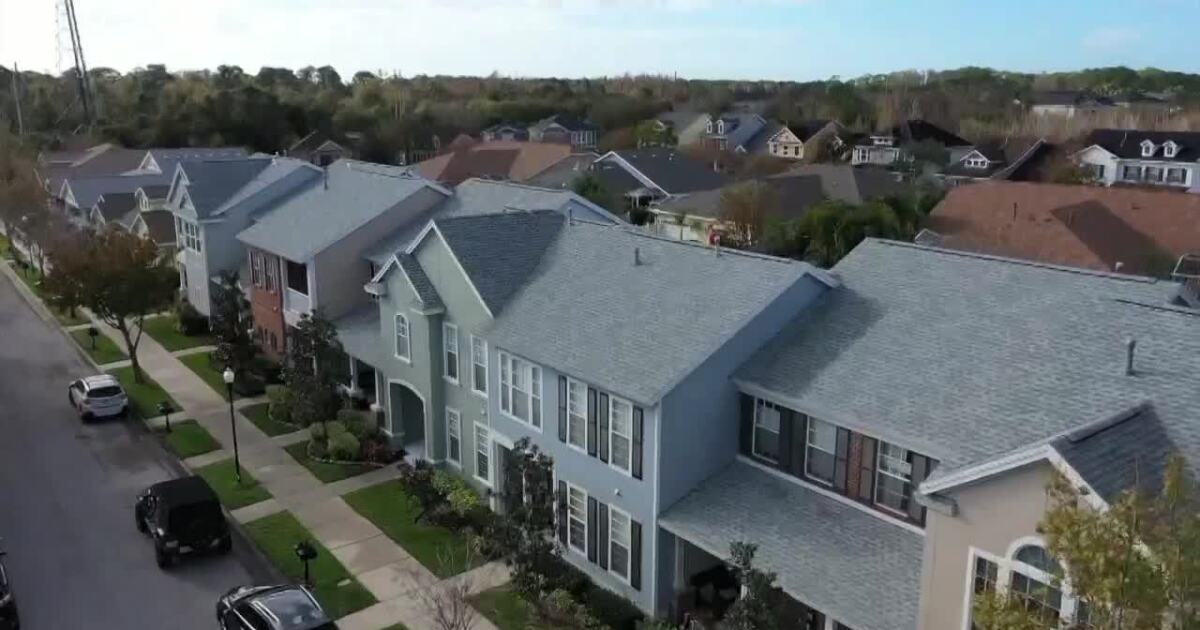
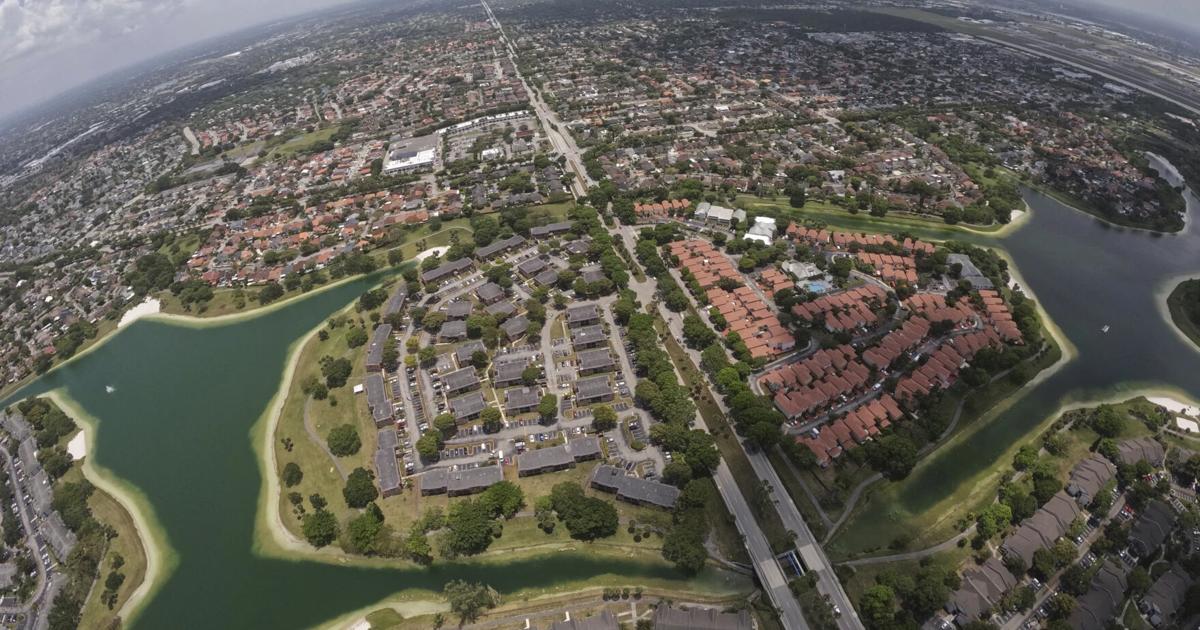
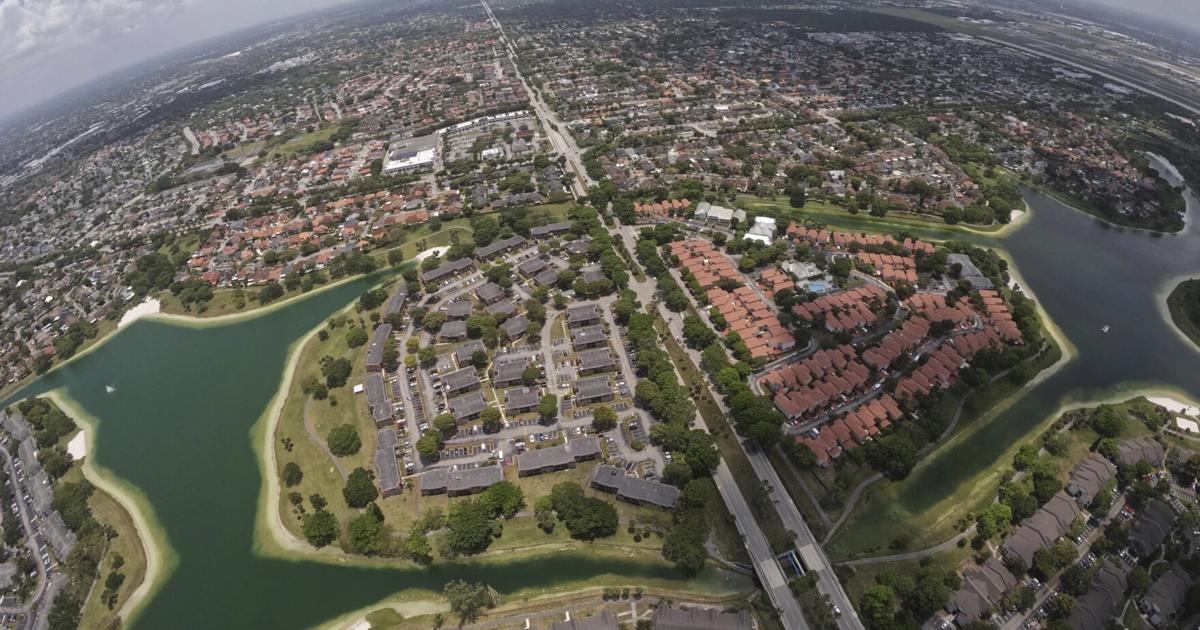
Florida townhomes aerial view

Florida’s insurance market is once again taking center stage, and the political arena is gearing up for a showdown that may define the 2026 election cycle. Homeowners, condo associations, landlords, and everyday drivers continue battling soaring premiums, while both state parties push competing stories about what’s happening—and what comes next.

Reforms Are Working, Republicans Say

Florida CFO Blaise Ingoglia is doubling down on the state’s sweeping insurance reforms, arguing that the worst is finally behind us. He highlights litigation cleanups, fraud crackdowns, and a reshaped reinsurance landscape as clear momentum.

“Clearly the reforms are working,” Ingoglia said, pointing to early signs such as Progressive returning $1 billion to policyholders and State Farm cutting auto rates by 10%.

Read the Original WPTV Report

While acknowledging continuing pressure on homeowners, Ingoglia notes that more carriers are returning to Florida and reinsurance pricing is gradually easing—two major ingredients, he argues, for meaningful relief ahead.

Democrats Push Back: “Families Can’t Wait”

Democratic leaders counter that Floridians remain among the hardest‑hit insurance consumers in the United States. Senate Minority Leader Lori Berman has emphasized that insurance premiums—not property taxes—are Florida’s real affordability crisis.

Fresh national housing data supports her concerns: Florida condo prices have dropped more than 8%, fueled by steep HOA assessments and post‑Surfside insurance spikes. Five Florida metros now rank in the top ten for highest insurance burdens nationwide.

Bankrate reports Floridians pay over $4,100 per year for auto insurance—the highest rate in America.

See Realtor.com’s Condo Market Research

House Minority Leader Fentrice Driskell argues that Florida needs clearer rate‑hike caps, greater transparency, and stronger incentives that reward storm‑hardening instead of shifting costs onto homeowners.

2026: The Big Showdown

Insurance will almost certainly dominate Florida’s 2026 political season. From families squeezed by premiums to businesses weighing risk exposure to real estate professionals navigating a more unpredictable market, affordability is now the defining issue of the moment.

Lawmakers return to Tallahassee on January 13, preparing for what many expect to be a headline battle over how fast—if at all—the insurance market is stabilizing.

Why This Matters for Real Estate and Licensing Professionals

For Florida agents, brokers, appraisers, and property managers, insurance market conditions directly influence homebuying demand, condo lending, closings, and long‑term property values. Understanding these policy battles is becoming just as essential as understanding the MLS itself.

Cameron Academy continues empowering real estate professionals by keeping them informed about industry‑shaping changes like these. Whether you’re renewing your Florida real estate license or stepping into the industry for the first time, understanding insurance trends is quickly becoming core local knowledge.

Explore Cameron Academy Licensing & CE Programs

More Articles

Getting licensed or staying ahead in your career can be a journey—but it doesn’t have to be overwhelming. Grab your favorite coffee or tea, take a moment to relax, and browse through our articles. Whether you’re just starting out or renewing your expertise, we’ve got tips, insights, and advice to keep you moving forward. Here’s to your success—one sip and one step at a time!

South Florida Housing Market Gains Momentum for 2026 as Mortgage Rates Decline

Lower interest rates, improving buyer confidence, and a resilient job market are setting the stage for a stronger South Florida real estate landscape in 2026. After a steadier‑than‑expected 2025, single‑family homes remain competitive, condos are stabilizing despite regulatory pressures, and commercial real estate continues to outperform national trends — giving industry professionals plenty to watch in the year ahead.

2026 Housing Market Outlook: Are We Finally Heading Toward Stability?

Economists across the housing industry are signaling that 2026 may finally bring a true market rebalance. With mortgage rates expected to ease, inventory slowly expanding and affordability showing its first real improvement in years, home sales could climb by 14% nationwide. Prices are projected to rise only modestly, builders are ramping up cautiously and shifting demographics are reshaping who’s buying—and what they’re looking for. For real estate and finance professionals, this more active and balanced landscape sets the stage for a strong year of opportunity.

Lower Interest Rates Spark New Optimism in South Florida’s 2026 Real Estate Market

South Florida enters 2026 with renewed confidence as easing mortgage rates, a solid job market, and stabilizing housing trends breathe life back into both single‑family and condo sectors. After an uneven 2025 marked by high costs and condo‑related challenges, lower borrowing rates are drawing buyers back, encouraging more homeowners to list, and positioning the region for a more balanced — though still competitive — year ahead.

Six Real Estate Trends Reshaping the U.S. Market in 2026

The U.S. real estate landscape is entering a defining year, driven by AI innovation, reimagined office spaces, immersive retail, and resilient industrial growth. Investors are becoming more selective, while ESG expectations are solidifying into essential standards for value and tenant demand. For professionals looking to stay competitive in 2026, understanding these shifts—and upskilling accordingly—will be key to navigating an industry rapidly transforming in real time.

Conforming Mortgage Credit Availability Plunges to Record Low as Lenders Tighten Standards

Conforming mortgage credit has dropped to its lowest level since the MBA began tracking it in 2011, signaling a major tightening in loan options as 2026 begins. December’s Mortgage Credit Availability Index fell 2.6%, driven by shrinking ARM offerings, fewer cash‑out refi programs, and stricter documentation requirements. With conforming loans seeing the sharpest decline—down 3.8%—both buyers and mortgage professionals face a more challenging lending landscape that demands stronger financial profiles and up‑to‑date industry knowledge.

Creative Strategies Are Finally Helping First-Time Buyers Break Into the 2026 Housing Market

A new NAR outlook shows that first-time buyers may finally be gaining traction in 2026 as rising inventory, easing rates, and creative financing strategies open long-awaited pathways into homeownership. From ARMs and government-backed loans to family support, grants, and co-buying, younger buyers are finding new ways to “make the math work.” Builders are also stepping in with incentives and expanded townhome construction, signaling a slow but meaningful shift toward improved affordability.