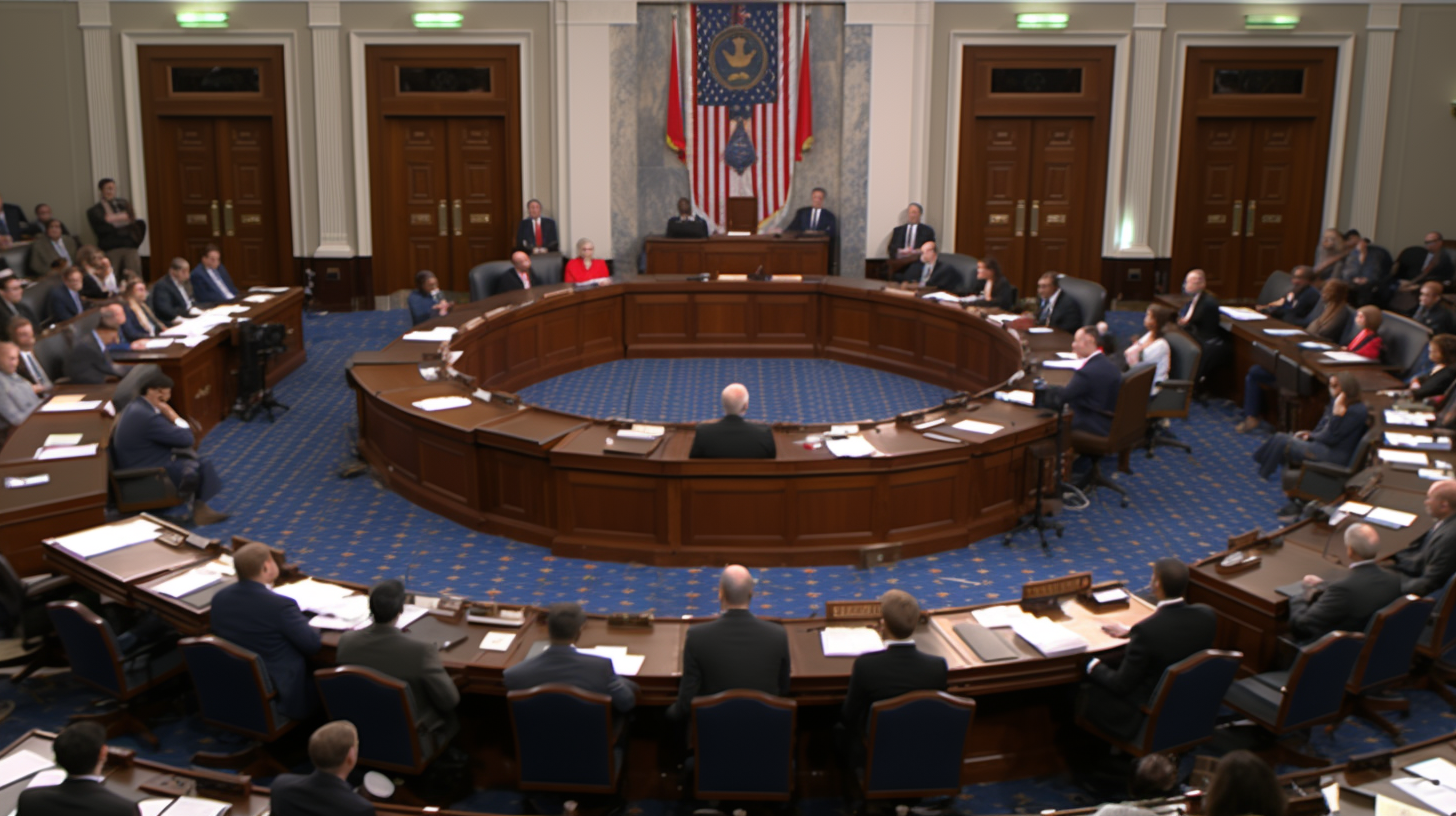
Florida is many things—sunny, unpredictable, hurricane-prone, and lately, the most expensive state in America for property insurance. While homeowners watch premiums soar and coverage shrink, lawmakers in Tallahassee appear focused on everything except the crisis unfolding at kitchen tables across the state.
This breakdown comes from a powerful editorial by the Orlando Sentinel Editorial Board, raising a pressing question: Are Florida’s leaders prioritizing political theater over the real, urgent needs of their constituents?
The Insurance Reality Floridians Are Facing
If you’re a homeowner—or work in Florida real estate, insurance, or mortgage—you’ve likely felt the pressure firsthand:
Home insurance premiums are roughly three times the national average.
Some homeowners are now paying more than $10,000 a year for modest properties.
Coverage continues shrinking while deductibles grow.
47% of homeowners’ claims were denied without payout in 2024.
For families and small business owners, these aren’t abstract statistics—they’re life-altering obstacles. Some are abandoning homes they planned to retire in. Others are shuttering businesses built over decades.
How Did We Get Here?
The Legislature passed multiple “reforms” in 2021–2022 promising stability and reduced premiums. But instead of relief, Floridians faced even higher rates. Meanwhile, new restrictions made it harder for consumers to file claims, challenge denials, or hire legal help.
Insurers now have expanded time to respond to claims, while policyholders must act faster than ever. Even when consumers manage to win appeals, insurers are no longer obligated to repay attorney fees—one of the key reasons 90% of denial appeals fail.
These moves may please insurers and investors, but they’ve left everyday Floridians startlingly exposed.
Bills That Could Help—But Aren’t Moving
Despite mounting pressure, two promising reform bills aren’t even receiving committee assignments:
SB 128 – Grants homeowners the right to obtain an independent roof inspection before an insurer denies a claim.
SB 320 – Requires insurers to provide access to financial data used to justify rate increases.
Both bills signal transparency, fairness, and accountability—yet they remain stuck in legislative limbo.
Where Are Lawmakers’ Priorities?
Rather than addressing insurance relief, lawmakers are moving forward with unrelated agenda items:
Restrictions on how teens receive medical treatment
Policies that make it easier for developers to bypass local government decisions
Property-tax cuts that could jeopardize essential city and county services
Important issues? Certainly. But not nearly as urgent as the tens of thousands of Floridians being crushed under skyrocketing insurance premiums right now.
Why This Matters for Real Estate Professionals
At Cameron Academy, we’ve trained thousands of Florida real estate and insurance professionals. And one trend is clear: property insurance now influences every corner of a real estate transaction. Buyers hesitate. Deals collapse. Agents scramble to keep up with policy changes. Mortgage approvals stall. Inspections turn into high-stakes negotiations.
This isn’t simply a homeowner problem. It’s a full real estate ecosystem disruption—and professionals across Florida feel it daily.
The Bottom Line
Floridians deserve better. Their homes, livelihoods, and futures are at stake. When nearly half of all insurance claims are denied and premiums outpace wages, the crisis becomes unavoidable.
Lawmakers must take action—not later, not “when the time is right,” but right now.
For those in real estate, insurance, mortgage, or related fields, staying informed isn’t optional—it’s essential. And if you’re building your career through licensing or continuing education, institutions like Cameron Academy ensure you’re prepared for the rapidly shifting landscape shaped by Florida’s insurance volatility.
Getting licensed or staying ahead in your career can be a journey—but it doesn’t have to be overwhelming. Grab your favorite coffee or tea, take a moment to relax, and browse through our articles. Whether you’re just starting out or renewing your expertise, we’ve got tips, insights, and advice to keep you moving forward. Here’s to your success—one sip and one step at a time!
The Real Estate Board of New York (REBNY) has announced a new policy requiring sellers to directly pay the buyer's agent, effective from January 1. This significant shift aims to enhance transparency and address potential conflicts of interest in real estate transactions. The policy comes amidst ongoing lawsuits related to commission sharing and allegations of unethical practices. The implementation of this policy is expected to impact the real estate industry significantly, with sellers needing to factor in the cost of the buyer's agent commission when pricing their properties.
In a significant development, the U.S. Senate has voted to block the implementation of the Consumer Financial Protection Bureau's (CFPB) small business lending rule. This decision has sparked a heated debate over the impact it may have on small businesses across the country. President Biden, in response, has threatened to veto the Senate's decision, emphasizing his commitment to fair lending practices and supporting small businesses. The CFPB's rule, implemented in October 2020, requires lenders to collect and report data on small business lending. This includes information on the race, sex, and ethnicity of borrowers, with the aim of identifying and addressing potential disparities in access to credit for minority-owned and women-owned small businesses. The Senate's decision to block the CFPB's rule has been celebrated by small business advocates and industry groups critical of the CFPB's regulatory approach. However, the implications of this decision remain uncertain, as President Biden's threatened veto looms large.
The world of real estate has recently been shaken by a wave of class-action commission lawsuits, sparking a contentious debate. These lawsuits demand scrutiny to understand their implications and validity. A primary counter-argument is the freedom of consumer choice. In today's digital age, potential buyers and sellers have access to a wealth of online resources, enabling them to undertake real estate transactions independently. Another critical factor is the negotiability of commissions in the real estate sector. Commission rates are not fixed, they are subject to negotiation between the agent and the client. This flexibility allows for open discussions, leading to mutually agreeable terms. Despite the emergence of discount brokerage firms, consumers continue to place their trust in traditional real estate agents. This preference stems not only from cost considerations but also from the value of expertise, guidance, and personalized service that agents offer. Real estate transactions are complex and often involve significant financial investments. Trusted agents provide invaluable insights, market knowledge, and negotiation skills, helping clients make informed decisions and navigate potential challenges confidently.
In the last two years, the housing market has seen a dramatic shift. Soaring mortgage rates and rising home prices have led to the fastest erosion in housing market affordability in modern history, with first-time homebuyers feeling the impact the most. The housing market has undergone significant changes over the past two years, leading to a substantial increase in the income required to purchase a median-priced home. According to recent data from Redfin, a homebuyer must now earn $114,627 to afford the typical U.S. home. This is a 15% increase from the previous year and more than 50% higher than pre-pandemic levels.
The housing market has shown remarkable resilience in the face of rising mortgage rates. Despite rates reaching 8%, new listings data remains steady, indicating a healthy supply of homes for sale. This stability is a positive sign for both buyers and sellers, demonstrating the strength of the housing market. Despite the increase in mortgage rates, sellers in the housing market have maintained their confidence. This confidence is reflected in the steady new listing data, as sellers continue to list their properties without hesitation. It indicates that sellers believe there is still strong demand from buyers and that the potential financial impact of higher mortgage rates does not outweigh the benefits of selling their homes.
The Real Estate Board of New York (REBNY) has introduced a groundbreaking requirement for sellers to directly compensate buyers' agents. This significant change has the potential to transform the real estate industry, eliminating conflicts of interest and promoting a more client-centric approach. This shift in the compensation landscape aims to create a more transparent and trustworthy environment for buyers. Moreover, this shift towards a client-centric approach aligns with the mission and values of Cameron Academy. As a leading provider of real estate education, Cameron Academy is committed to empowering professionals to navigate the evolving industry landscape and prioritize the best interests of their clients.