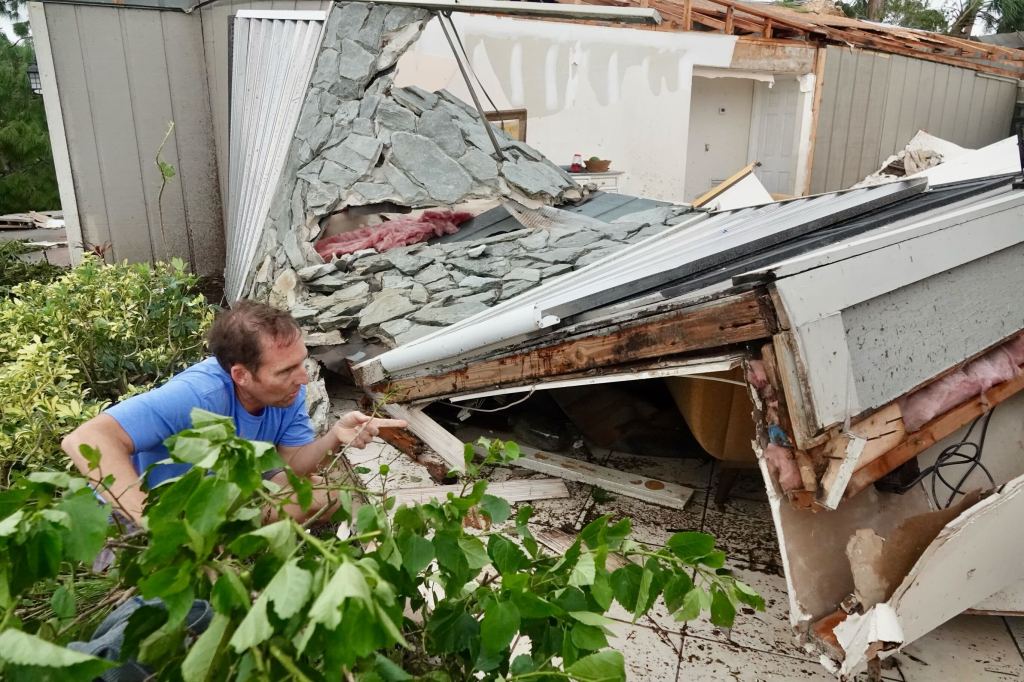
Florida is many things—sunny, unpredictable, hurricane-prone, and lately, the most expensive state in America for property insurance. While homeowners watch premiums soar and coverage shrink, lawmakers in Tallahassee appear focused on everything except the crisis unfolding at kitchen tables across the state.
This breakdown comes from a powerful editorial by the Orlando Sentinel Editorial Board, raising a pressing question: Are Florida’s leaders prioritizing political theater over the real, urgent needs of their constituents?
The Insurance Reality Floridians Are Facing
If you’re a homeowner—or work in Florida real estate, insurance, or mortgage—you’ve likely felt the pressure firsthand:
Home insurance premiums are roughly three times the national average.
Some homeowners are now paying more than $10,000 a year for modest properties.
Coverage continues shrinking while deductibles grow.
47% of homeowners’ claims were denied without payout in 2024.
For families and small business owners, these aren’t abstract statistics—they’re life-altering obstacles. Some are abandoning homes they planned to retire in. Others are shuttering businesses built over decades.
How Did We Get Here?
The Legislature passed multiple “reforms” in 2021–2022 promising stability and reduced premiums. But instead of relief, Floridians faced even higher rates. Meanwhile, new restrictions made it harder for consumers to file claims, challenge denials, or hire legal help.
Insurers now have expanded time to respond to claims, while policyholders must act faster than ever. Even when consumers manage to win appeals, insurers are no longer obligated to repay attorney fees—one of the key reasons 90% of denial appeals fail.
These moves may please insurers and investors, but they’ve left everyday Floridians startlingly exposed.
Bills That Could Help—But Aren’t Moving
Despite mounting pressure, two promising reform bills aren’t even receiving committee assignments:
SB 128 – Grants homeowners the right to obtain an independent roof inspection before an insurer denies a claim.
SB 320 – Requires insurers to provide access to financial data used to justify rate increases.
Both bills signal transparency, fairness, and accountability—yet they remain stuck in legislative limbo.
Where Are Lawmakers’ Priorities?
Rather than addressing insurance relief, lawmakers are moving forward with unrelated agenda items:
Restrictions on how teens receive medical treatment
Policies that make it easier for developers to bypass local government decisions
Property-tax cuts that could jeopardize essential city and county services
Important issues? Certainly. But not nearly as urgent as the tens of thousands of Floridians being crushed under skyrocketing insurance premiums right now.
Why This Matters for Real Estate Professionals
At Cameron Academy, we’ve trained thousands of Florida real estate and insurance professionals. And one trend is clear: property insurance now influences every corner of a real estate transaction. Buyers hesitate. Deals collapse. Agents scramble to keep up with policy changes. Mortgage approvals stall. Inspections turn into high-stakes negotiations.
This isn’t simply a homeowner problem. It’s a full real estate ecosystem disruption—and professionals across Florida feel it daily.
The Bottom Line
Floridians deserve better. Their homes, livelihoods, and futures are at stake. When nearly half of all insurance claims are denied and premiums outpace wages, the crisis becomes unavoidable.
Lawmakers must take action—not later, not “when the time is right,” but right now.
For those in real estate, insurance, mortgage, or related fields, staying informed isn’t optional—it’s essential. And if you’re building your career through licensing or continuing education, institutions like Cameron Academy ensure you’re prepared for the rapidly shifting landscape shaped by Florida’s insurance volatility.
Getting licensed or staying ahead in your career can be a journey—but it doesn’t have to be overwhelming. Grab your favorite coffee or tea, take a moment to relax, and browse through our articles. Whether you’re just starting out or renewing your expertise, we’ve got tips, insights, and advice to keep you moving forward. Here’s to your success—one sip and one step at a time!
Data from 2023 forecasts a potential "Multifamily Real Estate Decline 2024" due to rising cap rates and slowed NOI. However, resources from Cameron Academy help real estate professionals navigate "Investment Risks in Multifamily Properties" through real-time, accurate insights.
Investing in real estate can be rewarding but finding the right financing can be challenging. One popular option is the BRRRR (Buy, Rehab, Rent, Refinance, Repeat) method, which involves purchasing distressed properties, renovating them, renting them out, and then refinancing to repeat the process. Traditional banks, private money lenders, portfolio lenders, and online lending platforms are all potential sources for BRRRR loans. Another financing option to consider is the DSCR (Debt Service Coverage Ratio) loan, which assesses the property's cash flow rather than just the borrower's income. DSCR loans are commonly used in commercial real estate investments and offer advantages like better cash flow assessment and flexibility for investors. However, they also come with drawbacks such as higher interest rates and stricter qualification requirements. Choosing the right financing option depends on investment strategy, financial considerations, qualification requirements, risk profile, and expert advice. By understanding the available options and considering individual circumstances, investors can select the financing option that aligns with their goals.
In this blog excerpt, we discuss the forecast for catastrophic declines in the multifamily market by the end of 2024. Factors such as market saturation, economic uncertainty, and changing lifestyle preferences among renters contribute to this forecast. Potential risks for investors include oversupply, economic volatility, and shifts in tenant demand. Thorough research, analysis, and seeking advice from professionals are crucial for navigating the multifamily market. Being knowledgeable and making informed decisions are key to successful investments in real estate. To get started in the industry, visit CameronAcademy.com for licensing in Real Estate, Mortgage, Insurance, or Finance.
In the world of mortgages, the debate between fixed rate and adjustable rate mortgages (FRM and ARM) rages on. FRMs provide consistency and protection against rising rates, while ARMs offer lower initial rates and flexibility. When choosing between the two, factors such as financial goals, economic conditions, time horizon, and risk tolerance must be considered. Ultimately, homeowners must weigh the pros and cons and seek professional advice before making a decision. After all, the right mortgage choice can have a lasting impact on one's financial well-being.
Navigating the complexities of the current housing market can be a daunting task for buyers and sellers alike. Affordability concerns, limited inventory, credit tightening, rising interest rates, and firming home prices are all factors contributing to the challenges in today's market. However, by conducting thorough research, partnering with knowledgeable real estate agents, planning for your budget and mortgage, seeking out alternative financing options, and being patient and flexible, you can overcome these obstacles. With perseverance, informed decision-making, and adaptability, success in real estate transactions can be achieved in any market environment.