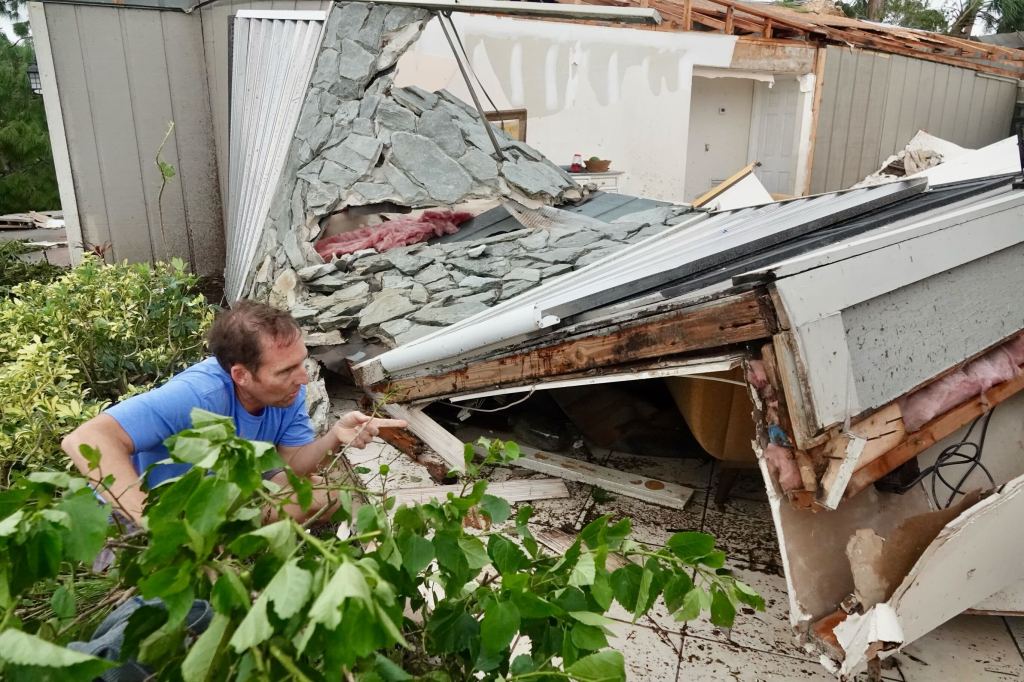
Florida is many things—sunny, unpredictable, hurricane-prone, and lately, the most expensive state in America for property insurance. While homeowners watch premiums soar and coverage shrink, lawmakers in Tallahassee appear focused on everything except the crisis unfolding at kitchen tables across the state.
This breakdown comes from a powerful editorial by the Orlando Sentinel Editorial Board, raising a pressing question: Are Florida’s leaders prioritizing political theater over the real, urgent needs of their constituents?
The Insurance Reality Floridians Are Facing
If you’re a homeowner—or work in Florida real estate, insurance, or mortgage—you’ve likely felt the pressure firsthand:
Home insurance premiums are roughly three times the national average.
Some homeowners are now paying more than $10,000 a year for modest properties.
Coverage continues shrinking while deductibles grow.
47% of homeowners’ claims were denied without payout in 2024.
For families and small business owners, these aren’t abstract statistics—they’re life-altering obstacles. Some are abandoning homes they planned to retire in. Others are shuttering businesses built over decades.
How Did We Get Here?
The Legislature passed multiple “reforms” in 2021–2022 promising stability and reduced premiums. But instead of relief, Floridians faced even higher rates. Meanwhile, new restrictions made it harder for consumers to file claims, challenge denials, or hire legal help.
Insurers now have expanded time to respond to claims, while policyholders must act faster than ever. Even when consumers manage to win appeals, insurers are no longer obligated to repay attorney fees—one of the key reasons 90% of denial appeals fail.
These moves may please insurers and investors, but they’ve left everyday Floridians startlingly exposed.
Bills That Could Help—But Aren’t Moving
Despite mounting pressure, two promising reform bills aren’t even receiving committee assignments:
SB 128 – Grants homeowners the right to obtain an independent roof inspection before an insurer denies a claim.
SB 320 – Requires insurers to provide access to financial data used to justify rate increases.
Both bills signal transparency, fairness, and accountability—yet they remain stuck in legislative limbo.
Where Are Lawmakers’ Priorities?
Rather than addressing insurance relief, lawmakers are moving forward with unrelated agenda items:
Restrictions on how teens receive medical treatment
Policies that make it easier for developers to bypass local government decisions
Property-tax cuts that could jeopardize essential city and county services
Important issues? Certainly. But not nearly as urgent as the tens of thousands of Floridians being crushed under skyrocketing insurance premiums right now.
Why This Matters for Real Estate Professionals
At Cameron Academy, we’ve trained thousands of Florida real estate and insurance professionals. And one trend is clear: property insurance now influences every corner of a real estate transaction. Buyers hesitate. Deals collapse. Agents scramble to keep up with policy changes. Mortgage approvals stall. Inspections turn into high-stakes negotiations.
This isn’t simply a homeowner problem. It’s a full real estate ecosystem disruption—and professionals across Florida feel it daily.
The Bottom Line
Floridians deserve better. Their homes, livelihoods, and futures are at stake. When nearly half of all insurance claims are denied and premiums outpace wages, the crisis becomes unavoidable.
Lawmakers must take action—not later, not “when the time is right,” but right now.
For those in real estate, insurance, mortgage, or related fields, staying informed isn’t optional—it’s essential. And if you’re building your career through licensing or continuing education, institutions like Cameron Academy ensure you’re prepared for the rapidly shifting landscape shaped by Florida’s insurance volatility.
Getting licensed or staying ahead in your career can be a journey—but it doesn’t have to be overwhelming. Grab your favorite coffee or tea, take a moment to relax, and browse through our articles. Whether you’re just starting out or renewing your expertise, we’ve got tips, insights, and advice to keep you moving forward. Here’s to your success—one sip and one step at a time!
The greenhouse industry is entering 2026 with a complex wave of overlapping risks — from rising insurance costs and extreme weather to cyber threats, labor shortages, and unstable supply chains. These challenges aren’t isolated; they compound one another, increasing pressure on growers and business owners alike. Insights from industry experts reveal the key trends shaping risk management in the year ahead and what operators must do now to stay resilient.
New FDIC reporting rules are changing how banks classify and disclose commercial real estate loans, replacing the old Troubled Debt Restructuring label with clearer “financial difficulty” modifications and expanding transparency across structured products and capital requirements. These updates may briefly tighten lending but ultimately promise stronger liquidity, cleaner risk data, and more predictable CRE financing as banks adapt.
Artificial intelligence is no longer an upcoming trend—it's already reshaping how real estate professionals work, compete, and win. With the AI real estate sector set to surge from $222B in 2024 to nearly $1T by 2029, the industry is undergoing a rapid transformation in valuations, virtual tours, listings, investment analysis, and client management. Agents and investors who embrace AI tools are gaining unprecedented efficiency and insight, while those who resist risk falling behind.
The Federal Housing Finance Agency is weighing the idea of 50‑year mortgages, a move that could make monthly payments more affordable but dramatically increase total interest costs. Supporters say it may help young professionals break into the housing market, while critics warn it could trap families in half a century of debt. As the industry debates this controversial loan option, real estate and mortgage professionals must stay informed to guide clients through the shifting landscape.
December is shaping up to be another unpredictable month for mortgage rates. With the Federal Reserve signaling mixed messages, key economic reports running behind schedule, and lenders already looking ahead to 2026, rates could face upward pressure. Experts from Fannie Mae and the MBA project an average 30‑year rate around 6.3% for late 2025, suggesting a potential December bump. For real estate and mortgage professionals, understanding this volatility isn’t just helpful — it’s a competitive edge.
Sellers are cutting prices at record levels, delistings are surging to highs not seen since 2017, and buyers remain hesitant despite slightly lower mortgage rates. With affordability still strained and new construction slowing, the 2025 housing market is entering a deeper‑than‑usual winter slowdown marked by caution on all sides.