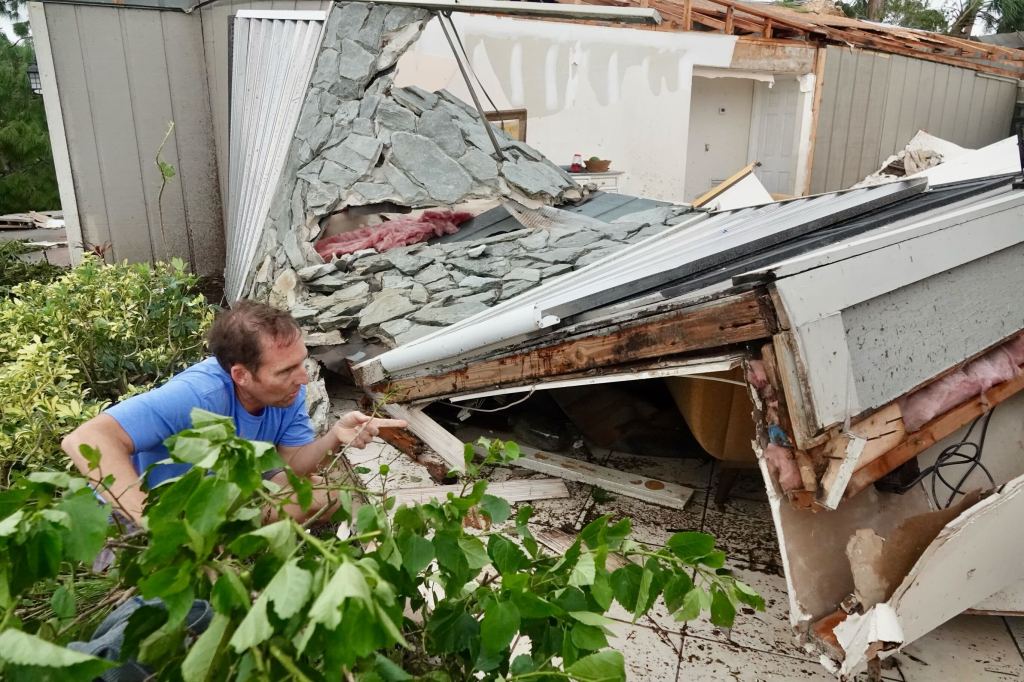
Florida is many things—sunny, unpredictable, hurricane-prone, and lately, the most expensive state in America for property insurance. While homeowners watch premiums soar and coverage shrink, lawmakers in Tallahassee appear focused on everything except the crisis unfolding at kitchen tables across the state.
This breakdown comes from a powerful editorial by the Orlando Sentinel Editorial Board, raising a pressing question: Are Florida’s leaders prioritizing political theater over the real, urgent needs of their constituents?
The Insurance Reality Floridians Are Facing
If you’re a homeowner—or work in Florida real estate, insurance, or mortgage—you’ve likely felt the pressure firsthand:
Home insurance premiums are roughly three times the national average.
Some homeowners are now paying more than $10,000 a year for modest properties.
Coverage continues shrinking while deductibles grow.
47% of homeowners’ claims were denied without payout in 2024.
For families and small business owners, these aren’t abstract statistics—they’re life-altering obstacles. Some are abandoning homes they planned to retire in. Others are shuttering businesses built over decades.
How Did We Get Here?
The Legislature passed multiple “reforms” in 2021–2022 promising stability and reduced premiums. But instead of relief, Floridians faced even higher rates. Meanwhile, new restrictions made it harder for consumers to file claims, challenge denials, or hire legal help.
Insurers now have expanded time to respond to claims, while policyholders must act faster than ever. Even when consumers manage to win appeals, insurers are no longer obligated to repay attorney fees—one of the key reasons 90% of denial appeals fail.
These moves may please insurers and investors, but they’ve left everyday Floridians startlingly exposed.
Bills That Could Help—But Aren’t Moving
Despite mounting pressure, two promising reform bills aren’t even receiving committee assignments:
SB 128 – Grants homeowners the right to obtain an independent roof inspection before an insurer denies a claim.
SB 320 – Requires insurers to provide access to financial data used to justify rate increases.
Both bills signal transparency, fairness, and accountability—yet they remain stuck in legislative limbo.
Where Are Lawmakers’ Priorities?
Rather than addressing insurance relief, lawmakers are moving forward with unrelated agenda items:
Restrictions on how teens receive medical treatment
Policies that make it easier for developers to bypass local government decisions
Property-tax cuts that could jeopardize essential city and county services
Important issues? Certainly. But not nearly as urgent as the tens of thousands of Floridians being crushed under skyrocketing insurance premiums right now.
Why This Matters for Real Estate Professionals
At Cameron Academy, we’ve trained thousands of Florida real estate and insurance professionals. And one trend is clear: property insurance now influences every corner of a real estate transaction. Buyers hesitate. Deals collapse. Agents scramble to keep up with policy changes. Mortgage approvals stall. Inspections turn into high-stakes negotiations.
This isn’t simply a homeowner problem. It’s a full real estate ecosystem disruption—and professionals across Florida feel it daily.
The Bottom Line
Floridians deserve better. Their homes, livelihoods, and futures are at stake. When nearly half of all insurance claims are denied and premiums outpace wages, the crisis becomes unavoidable.
Lawmakers must take action—not later, not “when the time is right,” but right now.
For those in real estate, insurance, mortgage, or related fields, staying informed isn’t optional—it’s essential. And if you’re building your career through licensing or continuing education, institutions like Cameron Academy ensure you’re prepared for the rapidly shifting landscape shaped by Florida’s insurance volatility.
Getting licensed or staying ahead in your career can be a journey—but it doesn’t have to be overwhelming. Grab your favorite coffee or tea, take a moment to relax, and browse through our articles. Whether you’re just starting out or renewing your expertise, we’ve got tips, insights, and advice to keep you moving forward. Here’s to your success—one sip and one step at a time!
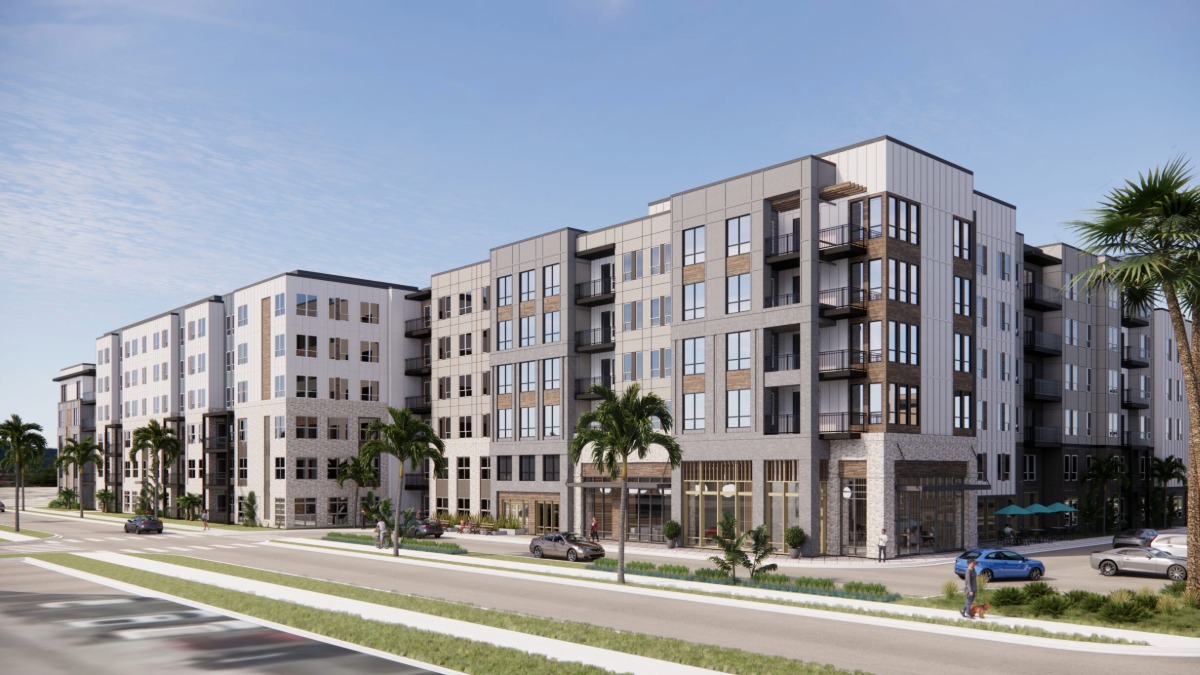
Landmark Properties has officially begun construction on The Mark Tampa, a six‑story luxury student community featuring over 800 beds, rooftop amenities, study spaces, retail, and modern unit layouts. Set to open before the 2027–2028 school year, the project signals strong investor confidence in North Tampa’s booming student housing market.
Florida’s property and auto insurance crisis is intensifying, setting the stage for a major political showdown ahead of the 2026 elections. Republicans argue recent reforms are finally stabilizing the market, while Democrats insist families are being crushed by soaring premiums and can’t wait for relief. With homeowners, condo associations, and insurers all feeling the pressure, lawmakers are preparing for one of the most consequential legislative battles in years.
Markets are betting heavily on a Federal Reserve rate cut in December, but that doesn’t guarantee lower mortgage rates. Even with an 85% chance of a cut priced in, mortgage rates move more with the 10‑year Treasury than the Fed itself — and recent history shows rates can rise even when the Fed eases. Today’s 6.43% average rate is the lowest in over a year, but still unpredictable, making financial readiness more important than trying to time the market.
Grand Junction is experiencing a powerful commercial real estate upswing, with 151 commercial units closed so far in 2025—a 36% jump from last year. Building permits are also up 23%, signaling expanding development momentum. Brokers say interest from national chains is accelerating the city’s evolution, bringing jobs, investment, and long‑term economic potential to Colorado’s Western Slope.
Nashville continues its rise as one of the nation’s most attractive real estate markets, landing the #6 spot in the Emerging Trends in Real Estate 2026 report from PwC and ULI. With strong demographic momentum, business expansion, and a development pipeline drawing national eyes, the city stands out amid shifting economic conditions. The report highlights fast‑growing sectors such as data centers, senior housing, and evolving office dynamics—offering real estate professionals valuable insight into where opportunities are emerging next.
Canada’s commercial real estate sector continues to evolve rapidly, with new data revealing major transactions, shifting investment patterns, and emerging economic signals across the country. From resilient retail spending to cooling construction and regional standouts like Montreal and the Prairies, this week’s CRE pulse—powered by Altus Group’s research team—gives real estate, mortgage, and finance professionals a sharp snapshot of the market forces to watch as 2025 winds down.