Florida is many things—sunny, unpredictable, hurricane-prone, and lately, the most expensive state in America for property insurance. While homeowners watch premiums soar and coverage shrink, lawmakers in Tallahassee appear focused on everything except the crisis unfolding at kitchen tables across the state.
This breakdown comes from a powerful editorial by the Orlando Sentinel Editorial Board, raising a pressing question: Are Florida’s leaders prioritizing political theater over the real, urgent needs of their constituents?
The Insurance Reality Floridians Are Facing
If you’re a homeowner—or work in Florida real estate, insurance, or mortgage—you’ve likely felt the pressure firsthand:
Home insurance premiums are roughly three times the national average.
Some homeowners are now paying more than $10,000 a year for modest properties.
Coverage continues shrinking while deductibles grow.
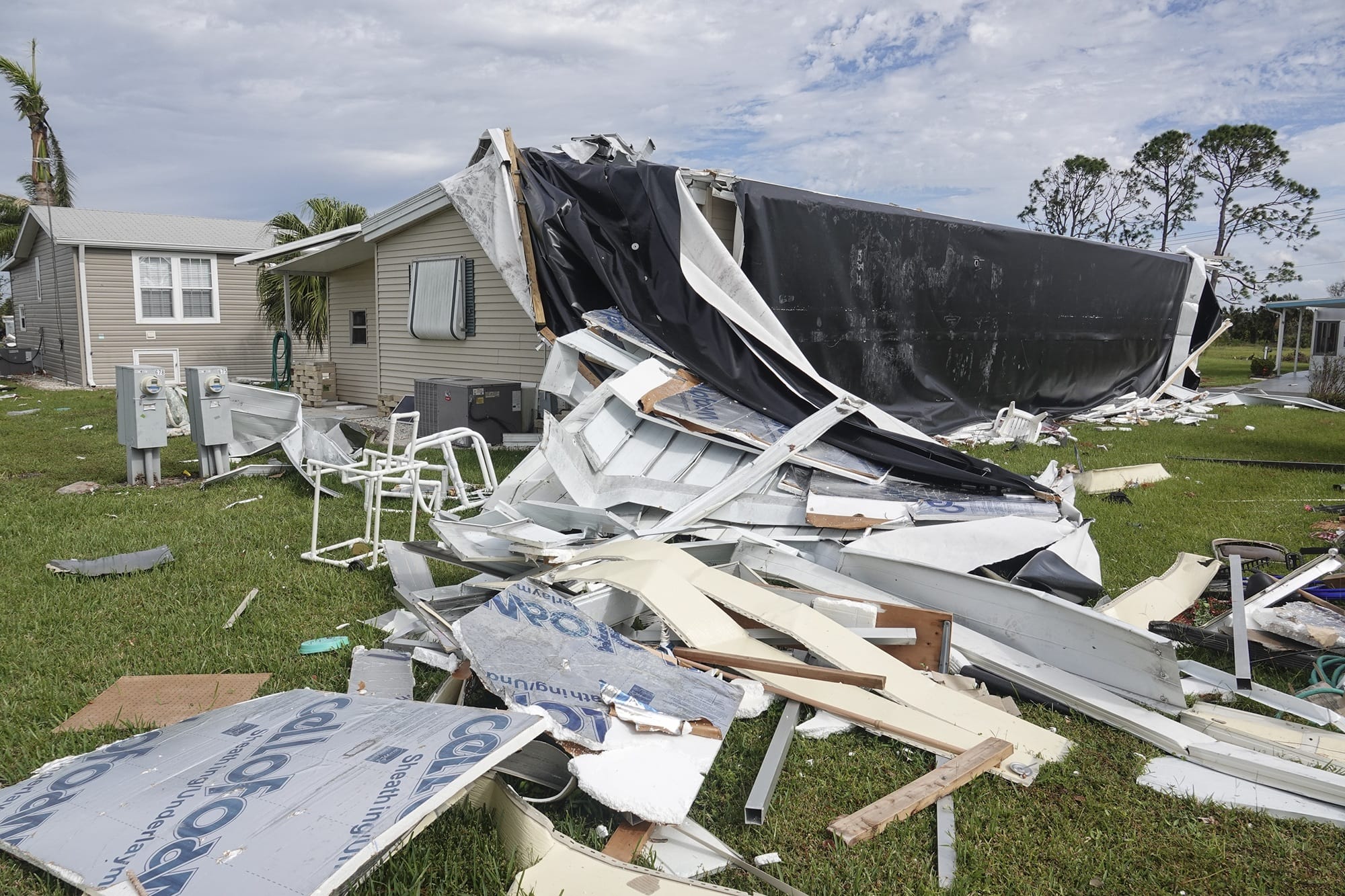
47% of homeowners’ claims were denied without payout in 2024.
For families and small business owners, these aren’t abstract statistics—they’re life-altering obstacles. Some are abandoning homes they planned to retire in. Others are shuttering businesses built over decades.
How Did We Get Here?
The Legislature passed multiple “reforms” in 2021–2022 promising stability and reduced premiums. But instead of relief, Floridians faced even higher rates. Meanwhile, new restrictions made it harder for consumers to file claims, challenge denials, or hire legal help.
Insurers now have expanded time to respond to claims, while policyholders must act faster than ever. Even when consumers manage to win appeals, insurers are no longer obligated to repay attorney fees—one of the key reasons 90% of denial appeals fail.
These moves may please insurers and investors, but they’ve left everyday Floridians startlingly exposed.
Bills That Could Help—But Aren’t Moving
Despite mounting pressure, two promising reform bills aren’t even receiving committee assignments:
SB 128 – Grants homeowners the right to obtain an independent roof inspection before an insurer denies a claim.
SB 320 – Requires insurers to provide access to financial data used to justify rate increases.
Both bills signal transparency, fairness, and accountability—yet they remain stuck in legislative limbo.
Where Are Lawmakers’ Priorities?
Rather than addressing insurance relief, lawmakers are moving forward with unrelated agenda items:
Restrictions on how teens receive medical treatment
Policies that make it easier for developers to bypass local government decisions
Property-tax cuts that could jeopardize essential city and county services
Important issues? Certainly. But not nearly as urgent as the tens of thousands of Floridians being crushed under skyrocketing insurance premiums right now.
Why This Matters for Real Estate Professionals
At Cameron Academy, we’ve trained thousands of Florida real estate and insurance professionals. And one trend is clear: property insurance now influences every corner of a real estate transaction. Buyers hesitate. Deals collapse. Agents scramble to keep up with policy changes. Mortgage approvals stall. Inspections turn into high-stakes negotiations.
This isn’t simply a homeowner problem. It’s a full real estate ecosystem disruption—and professionals across Florida feel it daily.
The Bottom Line
Floridians deserve better. Their homes, livelihoods, and futures are at stake. When nearly half of all insurance claims are denied and premiums outpace wages, the crisis becomes unavoidable.
Lawmakers must take action—not later, not “when the time is right,” but right now.
For those in real estate, insurance, mortgage, or related fields, staying informed isn’t optional—it’s essential. And if you’re building your career through licensing or continuing education, institutions like Cameron Academy ensure you’re prepared for the rapidly shifting landscape shaped by Florida’s insurance volatility.
Getting licensed or staying ahead in your career can be a journey—but it doesn’t have to be overwhelming. Grab your favorite coffee or tea, take a moment to relax, and browse through our articles. Whether you’re just starting out or renewing your expertise, we’ve got tips, insights, and advice to keep you moving forward. Here’s to your success—one sip and one step at a time!
Florida’s property insurance system is once again spiraling as new “market-friendly” reforms fail to stabilize rising premiums, insurer failures, and mounting homeowner frustration. Despite aggressive efforts to shift policyholders from Citizens to private carriers, many of the new insurers stepping in are tied to past insolvencies, questionable ratings, and political influence. For real estate, mortgage, and insurance professionals, these systemic cracks are reshaping closings, valuations, and risk across the state—making it essential to stay ahead of ongoing regulatory and market shifts.
Commercial real estate is heading into a turning‑point year in 2026, driven by economic uncertainty, AI‑powered transformation, shifting demographics and rising portfolio risk. Insights from The Counselors of Real Estate highlight the top issues shaping the year ahead—from fiscal pressures and capital constraints to housing shortages, global volatility and the future of data‑driven decision‑making. For real estate, mortgage, insurance and finance professionals, these trends offer a clear roadmap for staying competitive and preparing for the next wave of industry change.
AI-powered tools, fraud protection systems, and smarter MLS integrations are sweeping through the real estate industry as major organizations adopt new technologies. From RealReports hitting its 50th partnership to BeachesMLS unveiling instant AI home visualizations and Doorify boosting security, professionals are seeing rapid advancements that promise sharper insights, safer transactions, and more efficient rental workflows. This evolving tech landscape underscores the importance of staying educated and adaptable — especially for agents preparing for a competitive, AI-enhanced 2025 market.
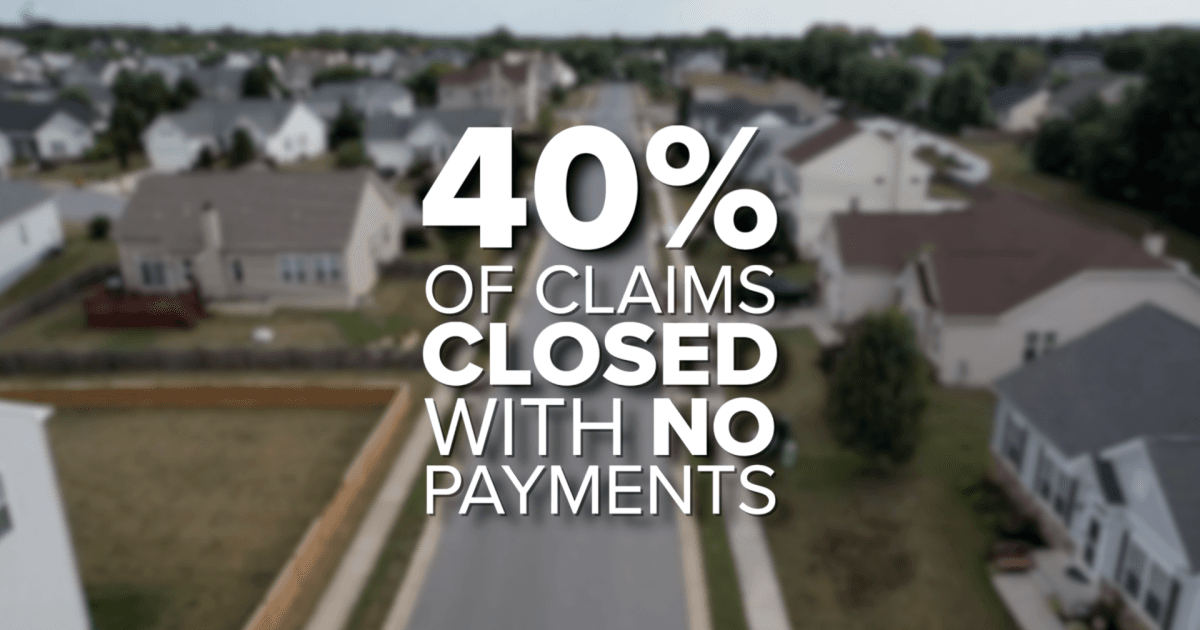
Florida homeowners are being hit with the highest insurance premiums in the nation, averaging $5,838 per year—nearly double the U.S. average. As costs skyrocket, many residents are reporting denied claims, non‑renewals, and impossible financial choices. New investigations reveal that more than 40 percent of claims in Florida close with no payment, while lawmakers push for transparency, fair pricing, and meaningful reform to stabilize a market that’s rapidly becoming unsustainable.
Vend Park, a Boston-based proptech company, has raised $17.5 million in Series A funding to reinvent parking as a high-performing commercial real estate asset. By replacing outdated operator–vendor systems with a unified AI-driven platform, Vend Park is helping major property owners boost NOI by up to 30%, slash operating costs, and modernize the tenant experience. As the company expands from three to fifteen cities and partners with giants like Nuveen and Jamestown, its technology highlights a major shift: real estate professionals must now understand AI, automation, and digital infrastructure to stay competitive.
Keller Williams Realty Atlanta Partners has formed an exclusive partnership with Southeast Mortgage, Georgia’s largest non‑bank mortgage lender. The collaboration promises faster, tech‑enhanced transactions for both agents and homebuyers, combining real estate expertise with streamlined mortgage services. This move reflects a growing trend toward integrated real‑estate ecosystems designed to reduce delays, boost transparency, and modernize the homebuying experience.