For Floridians, property insurance has shifted from a routine expense into a defining force shaping homeownership, business stability, and the state’s economic outlook. Yet despite skyrocketing costs and widespread consumer struggles, some legislative leaders indicate they may not address the crisis this session — a stance many residents see as unacceptable.
According to the Orlando Sentinel’s Editorial Board, that inaction is wildly out of touch with the reality Floridians face daily. Florida now holds the unwelcome title of most expensive state in the nation for property insurance — with rates averaging nearly three times the national cost.
Premiums Up, Coverage Down, and Consumer Rights Shrinking
Premiums exceeding $10,000 per year are becoming disturbingly common, even for modest homes in coastal counties. Worse, homeowners are paying more for less coverage, facing higher deductibles, and confronting increasingly restrictive claims processes.
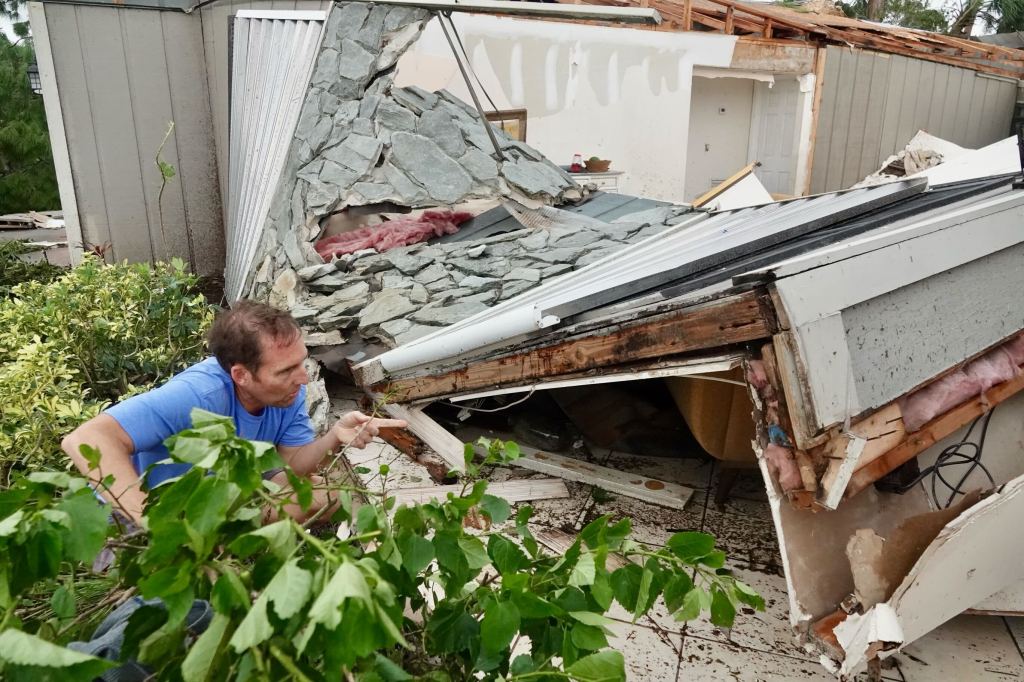
In 2024, hurricanes Debby, Helene, and Milton ravaged parts of Florida — yet insurers closed 47% of homeowner claims with no payout. Nearly half.
And appeals? Not much better. Over 90% of claim denial appeals are rejected, a sharp consequence of recent reforms that removed insurers’ obligation to cover attorney fees even when they’re found liable.
The system isn’t just strained — it’s stacked. And the Sentinel argues it’s stacked exactly as intended.
The Laws That Were Supposed to “Fix” the Problem
Lawmakers passed major industry-friendly reforms in 2021 and 2022, promising stability and lower premiums. Instead, rates continue to climb, while consumers have fewer protections and fewer paths to challenge unfair decisions.
Yet Senate President Kathleen Passidomo and other leaders insist the laws “need more time to work.” For Floridians facing displacement, financial strain, or foreclosure, that call for patience is becoming harder to accept.
There Are Solutions — They’re Just Not Moving
Two bills that could offer real relief haven’t even been assigned to committees:
SB 128 by Sen. LaVon Bracy-Davis — allows property owners to use a qualified inspector before insurers deny a roof claim.
SB 320 by Sen. Carlos Guillermo-Smith — requires insurers to disclose financial data used to justify rate hikes.
Neither bill has advanced. Without hearings or debate, most homeowners never realize how much their struggles are shaped not only by insurers, but by the laws that govern them.
Real Estate Professionals Feel the Shockwaves
For real estate agents, brokers, and investors, the insurance crisis is far from abstract. Deals collapse when buyers receive shocking premium quotes. Sellers lose value as insurance availability becomes a neighborhood stress test. Coastal listings stall or disappear entirely.
At Cameron Academy, we hear these stories every day from Florida real estate professionals. Clients are overwhelmed, confused, and often discouraged. Today, understanding property insurance is as essential as understanding contracts, ethics, or appraisals — which is exactly why we continue to integrate real-world market challenges into our licensing and continuing education courses.
Time for Lawmakers to Step Up
As the Sentinel’s editorial board argues, leadership requires prioritizing what genuinely matters. While lawmakers push forward bills on unrelated cultural issues and development agendas, millions of Floridians watch their homeownership dreams erode under unmanageable premiums and evaporating coverage.
This is more than a policy debate — it’s a full-scale crisis. For many families, it’s the difference between staying in their homes and walking away forever.
The Orlando Sentinel’s Editorial Board — Krys Fluker, Roger Simmons, and Jay Reddick — offers a powerful call for legislative action. You can read their full editorial at the source linked above.
More Articles
Getting licensed or staying ahead in your career can be a journey—but it doesn’t have to be overwhelming. Grab your favorite coffee or tea, take a moment to relax, and browse through our articles. Whether you’re just starting out or renewing your expertise, we’ve got tips, insights, and advice to keep you moving forward. Here’s to your success—one sip and one step at a time!
The greenhouse industry is entering 2026 with a complex wave of overlapping risks — from rising insurance costs and extreme weather to cyber threats, labor shortages, and unstable supply chains. These challenges aren’t isolated; they compound one another, increasing pressure on growers and business owners alike. Insights from industry experts reveal the key trends shaping risk management in the year ahead and what operators must do now to stay resilient.
New FDIC reporting rules are changing how banks classify and disclose commercial real estate loans, replacing the old Troubled Debt Restructuring label with clearer “financial difficulty” modifications and expanding transparency across structured products and capital requirements. These updates may briefly tighten lending but ultimately promise stronger liquidity, cleaner risk data, and more predictable CRE financing as banks adapt.
Artificial intelligence is no longer an upcoming trend—it's already reshaping how real estate professionals work, compete, and win. With the AI real estate sector set to surge from $222B in 2024 to nearly $1T by 2029, the industry is undergoing a rapid transformation in valuations, virtual tours, listings, investment analysis, and client management. Agents and investors who embrace AI tools are gaining unprecedented efficiency and insight, while those who resist risk falling behind.
The Federal Housing Finance Agency is weighing the idea of 50‑year mortgages, a move that could make monthly payments more affordable but dramatically increase total interest costs. Supporters say it may help young professionals break into the housing market, while critics warn it could trap families in half a century of debt. As the industry debates this controversial loan option, real estate and mortgage professionals must stay informed to guide clients through the shifting landscape.
December is shaping up to be another unpredictable month for mortgage rates. With the Federal Reserve signaling mixed messages, key economic reports running behind schedule, and lenders already looking ahead to 2026, rates could face upward pressure. Experts from Fannie Mae and the MBA project an average 30‑year rate around 6.3% for late 2025, suggesting a potential December bump. For real estate and mortgage professionals, understanding this volatility isn’t just helpful — it’s a competitive edge.
Sellers are cutting prices at record levels, delistings are surging to highs not seen since 2017, and buyers remain hesitant despite slightly lower mortgage rates. With affordability still strained and new construction slowing, the 2025 housing market is entering a deeper‑than‑usual winter slowdown marked by caution on all sides.