Florida’s Property Insurance Crossroads: What Comes Next for Homeowners and Professionals?
Florida’s insurance landscape is finally showing signs of stability—and after a decade of turbulence, that news lands like a breath of fresh, salt‑tinged coastal air. With litigation reforms taking hold, new private insurers re‑entering the state, and Citizens Property Insurance Corp. dramatically shrinking, homeowners may soon see relief on their annual bills. But what does the future really look like for the Sunshine State’s property insurance market?
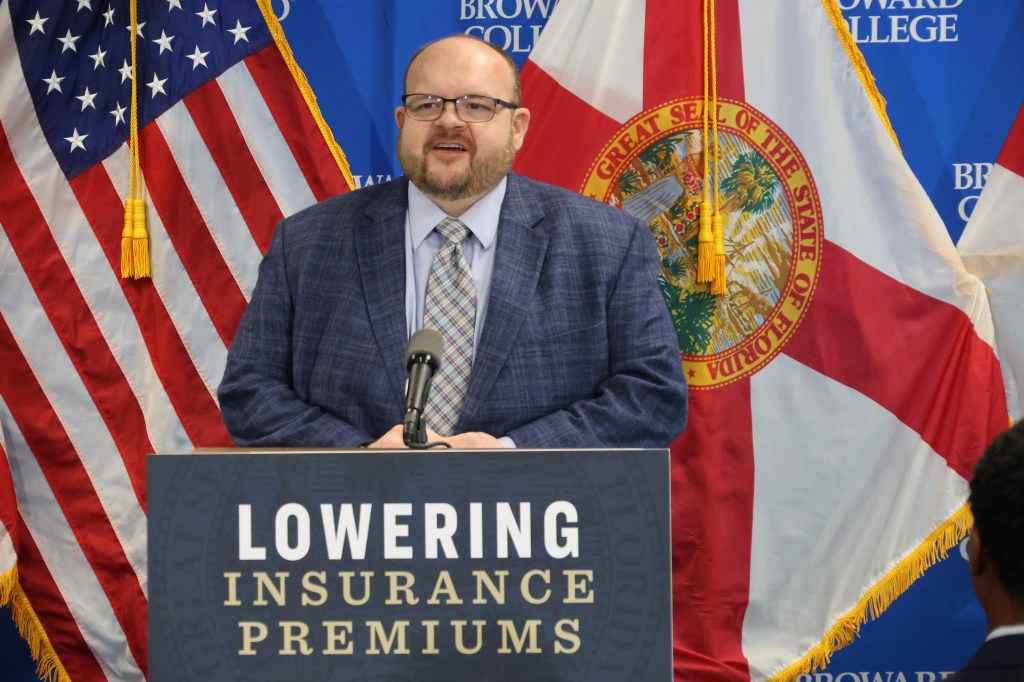
To shed light on these changes, the Sun Sentinel sat down with Michael Yaworsky, Florida’s Insurance Commissioner, who has quietly guided the Office of Insurance Regulation through one of the most transformative chapters in the state’s history.
A Market Finally Moving in the Right Direction
Yaworsky says the data doesn’t lie: Florida posted the lowest insurance rate increases in the entire country last year—just around 1%. Compare that to states like Nebraska, where hikes surged into the 20–30% range. After years of chaos driven by lawsuits and repeated storm seasons, the market is finally cooling.
Florida may always be a costly place to insure—after all, we live on a storm‑prone peninsula—but eliminating waste, fraud, and unnecessary litigation has restored balance. If lawmakers maintain this course, Yaworsky believes the state will see continued stabilization in 2026 and beyond.
“Why Aren’t My Premiums Decreasing Yet?”
It’s the number‑one question on homeowner minds. Yaworsky explains that the key is understanding the difference between rate and premium.
• Rates are the cost per “brick” of insurance the state regulates.
• Premiums are what you actually pay, based on how many bricks it takes to rebuild your home.
Inflation sent the value of Florida’s insured properties soaring 38–50% between 2020 and 2024. Even with stable rates, higher replacement costs pushed premiums upward. Still—without reforms—Floridians would have seen massively worse increases. Compared to other states, Florida’s premium jump of around $100 looks modest.
Citizens Shrinks—But That’s Not the Main Story
Citizens Property Insurance Corp., once overloaded with 1.4 million policies, now sits below 400,000. This is historic. But Yaworsky stresses that shrinking Citizens is a result of a healthier market—not the cause.
Citizens exists as Florida’s insurer of last resort, acting as a safety net during storms or marketplace crises. Maintaining its financial stability ensures Florida remains prepared for whatever the 2030s and 2040s bring—whether a surge of major hurricanes or temporary withdrawals by private carriers.
Health Insurance: A Very Different Battle
While property insurance is stabilizing, health insurance is heading in the opposite direction, with double‑digit increases across Florida. Yaworsky notes that federal policy plays a major role, but the state is experimenting with unique consumer protections—such as limiting dividends if federal projections turn out wrong and insurers benefit excessively.
Still, Yaworsky believes it’s time for a serious, data‑driven evaluation of the national health insurance system and where Florida fits into the picture.
Looking Ahead: Transparency, Mitigation, and the Growth of AI
For the 2026 legislative session, the Office of Insurance Regulation will focus on strengthening reforms and preventing old systems from creeping back. New initiatives include:
• Breaking down how premiums are spent on policyholder declarations
• Streamlining mitigation credits so homeowners easily access discounts
• Building policies to ensure AI benefits consumers, not just insurers
• Adding transparency to reinsurance and claim allocation
Florida’s insurance industry has weathered three major crises since Hurricane Andrew. Yaworsky hopes the state is now taking steps to ensure the third crisis is the last.
Why This Matters for Real Estate and Insurance Professionals
Whether you’re a real estate agent, insurance producer, mortgage loan officer, or property manager, understanding Florida’s insurance climate is essential. Property insurance directly affects home affordability, buyer confidence, seller expectations, and investment feasibility.
For professionals pursuing or renewing their insurance, real estate, or mortgage licensing, staying ahead of regulatory changes is more valuable than ever. Institutions like Cameron Academy provide state‑approved courses designed to keep career‑driven Floridians informed, skilled, and competitive in an evolving marketplace.
Getting licensed or staying ahead in your career can be a journey—but it doesn’t have to be overwhelming. Grab your favorite coffee or tea, take a moment to relax, and browse through our articles. Whether you’re just starting out or renewing your expertise, we’ve got tips, insights, and advice to keep you moving forward. Here’s to your success—one sip and one step at a time!
Florida homeowners are getting long‑awaited relief this spring as insurance premiums drop across the state, with some counties seeing reductions of up to 14 percent. After years of skyrocketing rates and insurer withdrawals, a series of legislative reforms has attracted new companies, reduced lawsuits, and restored competition—leading to lower costs for more than 330,000 Citizens policyholders and multiple private‑market rate cuts. This shift is boosting not only homeowners, but also Florida’s broader economy and real estate market, offering valuable insights for professionals in real estate, insurance, mortgage, and finance.
Artificial intelligence has transformed real estate marketing by making it easy to generate polished, digitally enhanced listing photos. But as AI tools increasingly replace reality with idealized versions of homes, a new issue has emerged: housefishing. Buyers and renters are showing up to properties that look nothing like the online images, leading regulators to step in and require transparency. With laws like California’s newly enacted Assembly Bill 723, the industry is being pushed toward clearer labeling and ethical use of AI. As trust becomes a growing concern, real estate professionals must balance innovation with accuracy to stay compliant and credible.
Massachusetts has unanimously advanced bill S.2947, a major push to curb housing discrimination by expanding fair housing education requirements for real estate agents. The proposal increases training hours for both current and future licensees and doubles penalties for violations, marking a significant shift toward stronger consumer protections and higher professional standards across the state’s housing market.
Energy costs have moved from a background expense to a major force influencing affordability, property values, and development across the Hudson Valley. Aging housing stock, grid constraints, and rising utility bills are reshaping both residential and commercial real estate decisions—rewarding energy‑efficient properties and pressuring households already struggling to balance essential expenses.
AI is transforming the daily workflow of real estate pros by speeding up marketing, simplifying client communication, and sharpening pricing strategies. As highlighted in an NBC 6 feature, agents are using AI to draft listing descriptions, generate social media content, organize inquiries, and analyze market data in minutes. Whether you're new to the industry or an experienced agent, AI is quickly becoming an essential tool for working smarter and staying competitive.