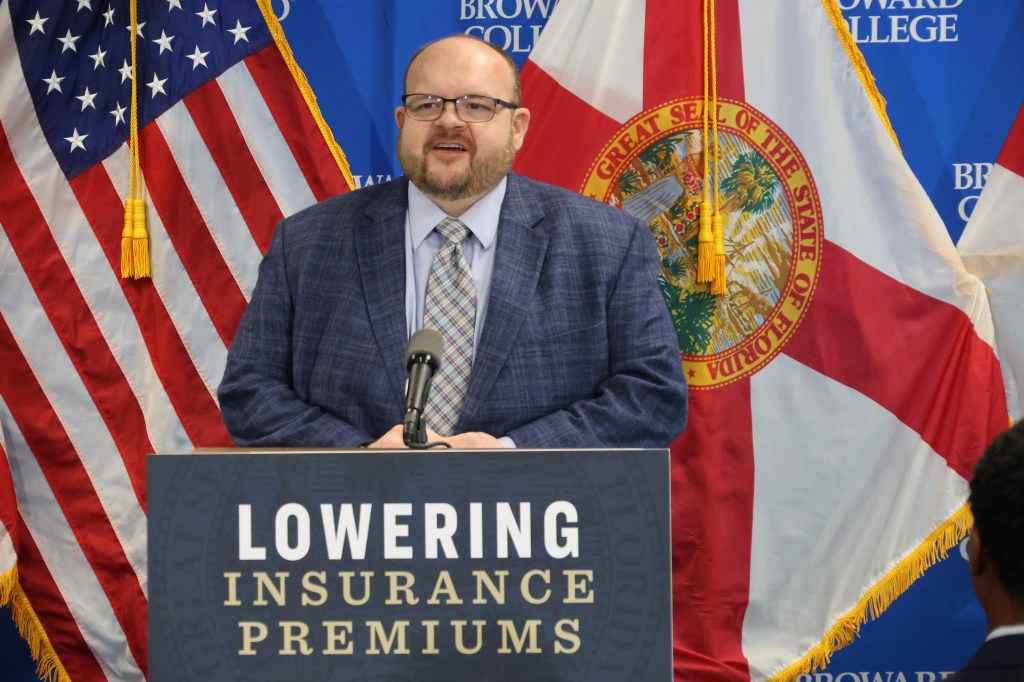
Florida’s Property Insurance Crossroads: What Comes Next for Homeowners and Professionals?
Florida’s insurance landscape is finally showing signs of stability—and after a decade of turbulence, that news lands like a breath of fresh, salt‑tinged coastal air. With litigation reforms taking hold, new private insurers re‑entering the state, and Citizens Property Insurance Corp. dramatically shrinking, homeowners may soon see relief on their annual bills. But what does the future really look like for the Sunshine State’s property insurance market?
To shed light on these changes, the Sun Sentinel sat down with Michael Yaworsky, Florida’s Insurance Commissioner, who has quietly guided the Office of Insurance Regulation through one of the most transformative chapters in the state’s history.
A Market Finally Moving in the Right Direction
Yaworsky says the data doesn’t lie: Florida posted the lowest insurance rate increases in the entire country last year—just around 1%. Compare that to states like Nebraska, where hikes surged into the 20–30% range. After years of chaos driven by lawsuits and repeated storm seasons, the market is finally cooling.
Florida may always be a costly place to insure—after all, we live on a storm‑prone peninsula—but eliminating waste, fraud, and unnecessary litigation has restored balance. If lawmakers maintain this course, Yaworsky believes the state will see continued stabilization in 2026 and beyond.
“Why Aren’t My Premiums Decreasing Yet?”
It’s the number‑one question on homeowner minds. Yaworsky explains that the key is understanding the difference between rate and premium.
• Rates are the cost per “brick” of insurance the state regulates.
• Premiums are what you actually pay, based on how many bricks it takes to rebuild your home.
Inflation sent the value of Florida’s insured properties soaring 38–50% between 2020 and 2024. Even with stable rates, higher replacement costs pushed premiums upward. Still—without reforms—Floridians would have seen massively worse increases. Compared to other states, Florida’s premium jump of around $100 looks modest.
Citizens Shrinks—But That’s Not the Main Story
Citizens Property Insurance Corp., once overloaded with 1.4 million policies, now sits below 400,000. This is historic. But Yaworsky stresses that shrinking Citizens is a result of a healthier market—not the cause.
Citizens exists as Florida’s insurer of last resort, acting as a safety net during storms or marketplace crises. Maintaining its financial stability ensures Florida remains prepared for whatever the 2030s and 2040s bring—whether a surge of major hurricanes or temporary withdrawals by private carriers.
Health Insurance: A Very Different Battle
While property insurance is stabilizing, health insurance is heading in the opposite direction, with double‑digit increases across Florida. Yaworsky notes that federal policy plays a major role, but the state is experimenting with unique consumer protections—such as limiting dividends if federal projections turn out wrong and insurers benefit excessively.
Still, Yaworsky believes it’s time for a serious, data‑driven evaluation of the national health insurance system and where Florida fits into the picture.
Looking Ahead: Transparency, Mitigation, and the Growth of AI
For the 2026 legislative session, the Office of Insurance Regulation will focus on strengthening reforms and preventing old systems from creeping back. New initiatives include:
• Breaking down how premiums are spent on policyholder declarations
• Streamlining mitigation credits so homeowners easily access discounts
• Building policies to ensure AI benefits consumers, not just insurers
• Adding transparency to reinsurance and claim allocation
Florida’s insurance industry has weathered three major crises since Hurricane Andrew. Yaworsky hopes the state is now taking steps to ensure the third crisis is the last.
Why This Matters for Real Estate and Insurance Professionals
Whether you’re a real estate agent, insurance producer, mortgage loan officer, or property manager, understanding Florida’s insurance climate is essential. Property insurance directly affects home affordability, buyer confidence, seller expectations, and investment feasibility.
For professionals pursuing or renewing their insurance, real estate, or mortgage licensing, staying ahead of regulatory changes is more valuable than ever. Institutions like Cameron Academy provide state‑approved courses designed to keep career‑driven Floridians informed, skilled, and competitive in an evolving marketplace.
Getting licensed or staying ahead in your career can be a journey—but it doesn’t have to be overwhelming. Grab your favorite coffee or tea, take a moment to relax, and browse through our articles. Whether you’re just starting out or renewing your expertise, we’ve got tips, insights, and advice to keep you moving forward. Here’s to your success—one sip and one step at a time!
The recent settlement agreements between Anywhere Real Estate and RE/MAX have brought significant changes to the real estate industry. These agreements mark a turning point in buyer broker compensation and have far-reaching implications for agents and brokers alike. With the removal of the National Association of Realtors (NAR) membership requirement and the Code of Ethics, agents now have more flexibility in conducting their business. This shift has sparked both optimism and concerns within the industry. Join us as we navigate through the changes brought about by these settlement agreements and uncover their potential effects on professionalism, competition, and the overall landscape of the real estate market.
The mortgage market is currently facing significant challenges, with mortgage rates nearing 8%, low housing inventory, and rising home prices. In this article, we explore the strategies employed by wholesale lenders and brokers to navigate these conditions and adapt to the changing market landscape. One key strategy is the implementation of down-payment assistance programs, providing financial support to potential homebuyers. Another is the option to buy down mortgage rates, offering more affordable monthly payments. With limited housing inventory, many potential homebuyers are turning to fixer-upper properties, and lenders are capitalizing on this trend by offering renovation loans. Brokerage firm owners are also diligently managing their cost structures to remain profitable. Looking ahead, industry professionals are closely monitoring the potential impact of the Federal Reserve's tightening monetary policy and political instability on the mortgage market.
Two innovative startups in Texas, Hive3D and Icon, are leveraging 3D printing technology to combat housing inventory shortages and climate change. They're constructing eco-friendly homes, offering a groundbreaking approach to sustainable housing. Houston-based Hive3D uses "green cement," reducing waste and contributing positively to the environment. Icon's efficient construction methods enable them to construct an entire subdivision of homes in less time, meeting the growing demand for housing and reducing resource consumption. These 3D-printed homes are more cost-effective due to reduced labor costs and minimized material waste, offering more affordable housing options.
In the midst of the continued climb of 30-year fixed mortgage rates, the Mortgage Bankers Association (MBA) has issued a call to the Federal Reserve (Fed) to bring much-needed certainty to the financial markets. The MBA believes that the Fed must make clear statements regarding the end of its rate hikes and its intentions with its mortgage-backed securities (MBS) holdings. The MBA, represented by its president and CEO, Bob Broeksmit, has emphasized the urgency of the Fed's communication. Broeksmit asserts that the Fed needs to clearly state that it has reached the end of its rate hikes and that it will refrain from selling its MBS holdings until the housing finance market stabilizes and mortgage-to-Treasury spreads normalize.
Despite a decline in mortgage application fraud, New York and Florida continue to face the highest mortgage fraud risks in the nation. The primary drivers of fraud risk in these states are fraudulent income misrepresentation and undisclosed real estate liabilities. High-risk metropolitan areas include New York City, Miami, Tampa, and Orlando. To combat mortgage fraud risks, it is crucial to maintain vigilance and take proactive actions. Stay ahead of the game and protect yourself from mortgage fraud risks in New York and Florida. Sign up for our mortgage fraud prevention course today.
Significant changes may be on the horizon for the United States housing market if new legislation is passed. Bills introduced in both the U.S. Senate and the House of Representatives propose the requirement of title insurance on mortgages purchased by government-sponsored enterprises (GSEs). Known collectively as The Protecting America's Property Rights Act, these bills are currently under consideration and have not yet been voted on. If passed, the proposed amendments to the charters of Fannie Mae and Freddie Mac would make primary-lien title insurance mandatory for conventional mortgages on one- to four-unit properties. Title insurance plays a critical role in the mortgage industry by protecting lenders and homeowners. It offers financial loss protection in the event of property title defects, ensuring that property ownership is free from any legal disputes or claims. Lawmakers aim to enhance the integrity of the mortgage market and provide additional safeguards for lenders and borrowers by requiring title insurance on GSE-backed loans.