Florida’s Property Insurance Crossroads: What Comes Next for Homeowners and Professionals?
Florida’s insurance landscape is finally showing signs of stability—and after a decade of turbulence, that news lands like a breath of fresh, salt‑tinged coastal air. With litigation reforms taking hold, new private insurers re‑entering the state, and Citizens Property Insurance Corp. dramatically shrinking, homeowners may soon see relief on their annual bills. But what does the future really look like for the Sunshine State’s property insurance market?
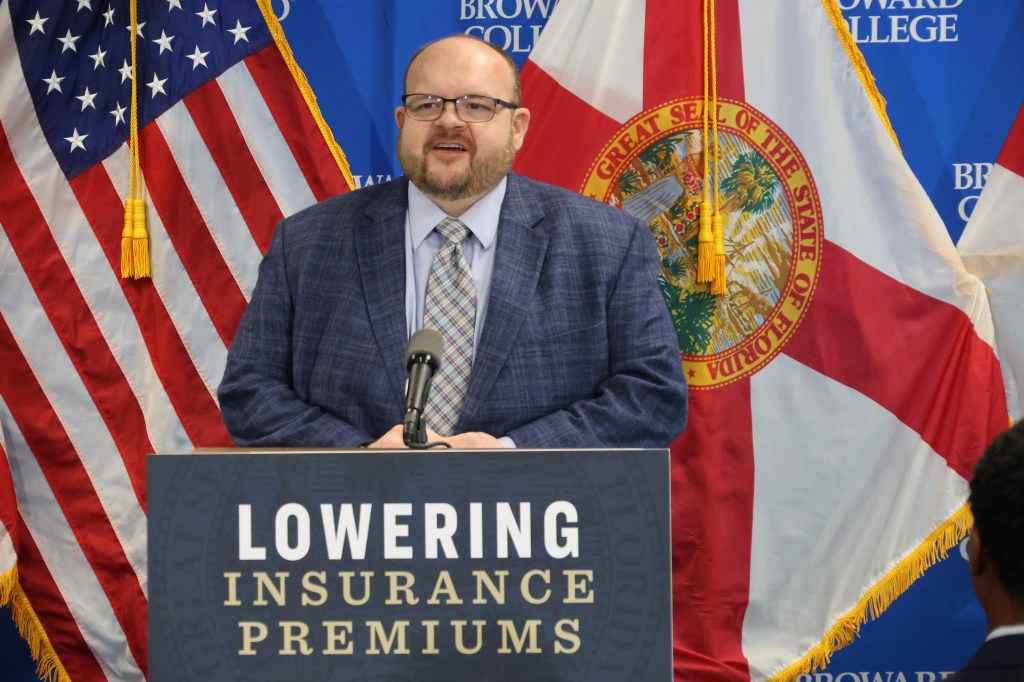
To shed light on these changes, the Sun Sentinel sat down with Michael Yaworsky, Florida’s Insurance Commissioner, who has quietly guided the Office of Insurance Regulation through one of the most transformative chapters in the state’s history.
A Market Finally Moving in the Right Direction
Yaworsky says the data doesn’t lie: Florida posted the lowest insurance rate increases in the entire country last year—just around 1%. Compare that to states like Nebraska, where hikes surged into the 20–30% range. After years of chaos driven by lawsuits and repeated storm seasons, the market is finally cooling.
Florida may always be a costly place to insure—after all, we live on a storm‑prone peninsula—but eliminating waste, fraud, and unnecessary litigation has restored balance. If lawmakers maintain this course, Yaworsky believes the state will see continued stabilization in 2026 and beyond.
“Why Aren’t My Premiums Decreasing Yet?”
It’s the number‑one question on homeowner minds. Yaworsky explains that the key is understanding the difference between rate and premium.
• Rates are the cost per “brick” of insurance the state regulates.
• Premiums are what you actually pay, based on how many bricks it takes to rebuild your home.
Inflation sent the value of Florida’s insured properties soaring 38–50% between 2020 and 2024. Even with stable rates, higher replacement costs pushed premiums upward. Still—without reforms—Floridians would have seen massively worse increases. Compared to other states, Florida’s premium jump of around $100 looks modest.
Citizens Shrinks—But That’s Not the Main Story
Citizens Property Insurance Corp., once overloaded with 1.4 million policies, now sits below 400,000. This is historic. But Yaworsky stresses that shrinking Citizens is a result of a healthier market—not the cause.
Citizens exists as Florida’s insurer of last resort, acting as a safety net during storms or marketplace crises. Maintaining its financial stability ensures Florida remains prepared for whatever the 2030s and 2040s bring—whether a surge of major hurricanes or temporary withdrawals by private carriers.
Health Insurance: A Very Different Battle
While property insurance is stabilizing, health insurance is heading in the opposite direction, with double‑digit increases across Florida. Yaworsky notes that federal policy plays a major role, but the state is experimenting with unique consumer protections—such as limiting dividends if federal projections turn out wrong and insurers benefit excessively.
Still, Yaworsky believes it’s time for a serious, data‑driven evaluation of the national health insurance system and where Florida fits into the picture.
Looking Ahead: Transparency, Mitigation, and the Growth of AI
For the 2026 legislative session, the Office of Insurance Regulation will focus on strengthening reforms and preventing old systems from creeping back. New initiatives include:
• Breaking down how premiums are spent on policyholder declarations
• Streamlining mitigation credits so homeowners easily access discounts
• Building policies to ensure AI benefits consumers, not just insurers
• Adding transparency to reinsurance and claim allocation
Florida’s insurance industry has weathered three major crises since Hurricane Andrew. Yaworsky hopes the state is now taking steps to ensure the third crisis is the last.
Why This Matters for Real Estate and Insurance Professionals
Whether you’re a real estate agent, insurance producer, mortgage loan officer, or property manager, understanding Florida’s insurance climate is essential. Property insurance directly affects home affordability, buyer confidence, seller expectations, and investment feasibility.
For professionals pursuing or renewing their insurance, real estate, or mortgage licensing, staying ahead of regulatory changes is more valuable than ever. Institutions like Cameron Academy provide state‑approved courses designed to keep career‑driven Floridians informed, skilled, and competitive in an evolving marketplace.
Getting licensed or staying ahead in your career can be a journey—but it doesn’t have to be overwhelming. Grab your favorite coffee or tea, take a moment to relax, and browse through our articles. Whether you’re just starting out or renewing your expertise, we’ve got tips, insights, and advice to keep you moving forward. Here’s to your success—one sip and one step at a time!
The average life insurance premium in 2026 sits at about 26 dollars per month for a healthy 40-year-old seeking a 20-year, 500,000 dollar term policy, according to recent industry data. Rates continue to be influenced by factors like age, health, and risk class, while certain personal details—such as marital status or number of beneficiaries—have no impact on pricing. With term, whole life, and no-exam options showing wide cost differences, professionals in real estate, insurance, mortgage, and finance can benefit from understanding how underwriting works. This knowledge not only helps with personal financial planning but also supports advising clients effectively in these interconnected industries.
AI is becoming a powerful partner for real estate agents, helping automate repetitive tasks like lead responses, follow ups, marketing content, and paperwork so you can focus on clients and closing deals. From 24/7 chat assistants to AI enhanced visuals and predictive analytics, agents using these tools are gaining a competitive edge without needing technical skills.
Florida’s housing market continues to outpace national growth, with several cities experiencing sharp jumps in home values driven by high demand and limited inventory. New data from Zillow highlights where price acceleration is strongest—from luxury enclaves like Golden Beach and Lake Buena Vista to more affordable markets such as Old Town. For real estate professionals, these insights spotlight emerging opportunities, shifting buyer behavior, and areas of rising investment interest across the state.
Baltimore is moving to close key loopholes in its rental licensing system after thousands of unlicensed and unsafe units came to light. A new city proposal would strengthen enforcement, increase audits, and protect tenants from negligent landlords. With nearly half of rentals still unlicensed, the reform highlights why compliance and ethical property management remain essential across the real estate industry.
Florida lawmakers have taken a major step toward helping homeowners understand rising insurance costs. The Florida House voted 114-0 to approve HB 767, a bill that would require insurers to publicly share more of the data behind their rate increases. While the bill doesn’t limit premiums, it aims to give consumers, real estate professionals, and analysts clearer insight into how insurance companies set their prices as it now heads to the Senate for consideration.
A rising public‑radio journalist walked away from the career she worked years to build after a spontaneous trip to Spain made her question what she truly wanted from life. Trading stability for a teaching visa and a slower pace in Seville, she faced financial uncertainty, culture shocks, and doubts about her future—yet also gained safety, freedom, and a renewed sense of self. Her journey is a reminder that major career shifts, whether abroad or at home, can open the door to unexpected possibilities.