Florida’s Property Insurance Market Is Shifting Again — Here’s What Comes Next

Florida insurance discussion

Florida homeowners have had a stormy relationship with property insurance for nearly a decade — and not just because of hurricanes. Now, with more private insurers re‑entering the state and Citizens Property Insurance Corp. falling below 400,000 policies, major changes are finally taking shape.

To help cut through the noise, Florida Insurance Commissioner Michael Yaworsky sat down with the News Service of Florida to answer the questions on everyone’s mind. His insights paint a picture of cautious optimism — as long as lawmakers don’t shake the system too hard.

Source Spotlight

This article is inspired by an in‑depth Q&A published by the Sun Sentinel. Dive into the full conversation for extended insights and analysis.

The Market Is Improving — But Consumers Don’t Feel It Yet

Despite years of chaos fueled by sky‑high litigation and storm losses, Yaworsky says Florida is finally stabilizing. Last year, Florida recorded the lowest rate increases in the nation — just 1%.

“We’ve built this beautiful paradise on a peninsula between two bodies of water that love to throw storms our way.”

He explains that rates and premiums are not the same. Rates are regulated — premiums are driven by inflation, building costs, and replacement value. In short, even when rates fall, premiums can still rise due to the cost of rebuilding modern Florida homes.

Yaworsky adds that reforms passed in 2022 and 2023 prevented even larger increases. Without those changes, Florida could have faced 20–40% hikes like many other states.

The Shrinking of Citizens: A Healthy Sign (But Not the Goal)

Citizens Property Insurance Corp. has shrunk dramatically — from 1.4 million policies to under 400,000. While that sounds like a win, Yaworsky reminds Floridians that depopulation is a result of a healthier market, not the mission.

Citizens remains Florida’s essential insurance safety net. In 2017 and beyond, it carried enough surplus to absorb storms and litigation without triggering statewide assessments — a buffer Florida must preserve for future disruptions.

Health Insurance: A Different Kind of Storm

While property insurance is stabilizing, health insurance premiums are rising sharply — often double digits. Yaworsky attributes this largely to federal policy, but Florida is exploring ways to shield consumers without overreacting.

One notable move: capping insurer dividends when federal projections turn out inaccurate. Carriers must prove they are not profiting unfairly from rising rates.

What’s Coming in 2026: Transparency, Mitigation Credits, and AI Guardrails

The Office of Insurance Regulation aims to protect recent reforms and prevent a return to excessive litigation costs. New consumer-focused initiatives include:

  • Greater transparency showing where premium dollars actually go
  • Streamlined mitigation credits to help homeowners strengthen their homes
  • AI oversight to ensure technology-driven savings reach consumers

After three major insurance crises since Hurricane Andrew, Yaworsky believes today’s policies can prevent a fourth — if Florida stays the course.

Thinking About a Career in Insurance or Real Estate?

Understanding Florida’s insurance landscape doesn’t just help homeowners — it’s crucial for real estate agents, insurance professionals, mortgage brokers, adjusters, and anyone earning a license in today’s market.

If you’re preparing to launch a career or elevate your credentials, Cameron Academy offers state‑approved, flexible online licensing courses across Florida and all 50 states. Designed for working professionals and built around real‑world industry knowledge.

Explore courses at Cameron Academy

More Articles

Getting licensed or staying ahead in your career can be a journey—but it doesn’t have to be overwhelming. Grab your favorite coffee or tea, take a moment to relax, and browse through our articles. Whether you’re just starting out or renewing your expertise, we’ve got tips, insights, and advice to keep you moving forward. Here’s to your success—one sip and one step at a time!

Free Money in 2026? The Truth About the DOGE Dividend Stimulus Check

The DOGE Dividend: What You Need to Know About the Proposed 2026 Stimulus Check Hey there! If you’ve been wondering #ReadMore

Navigating Seller’s Market: Twin Cities Housing Trends and Predictions for 2024

The Minneapolis housing market is currently navigating a complex terrain, marked by a curious blend of optimism and caution. In 2024, home sales in the Twin Cities area experienced a modest uptick of 1.8%.

Future Homes: Sustainability and Smart Technology Shaping Real Estate

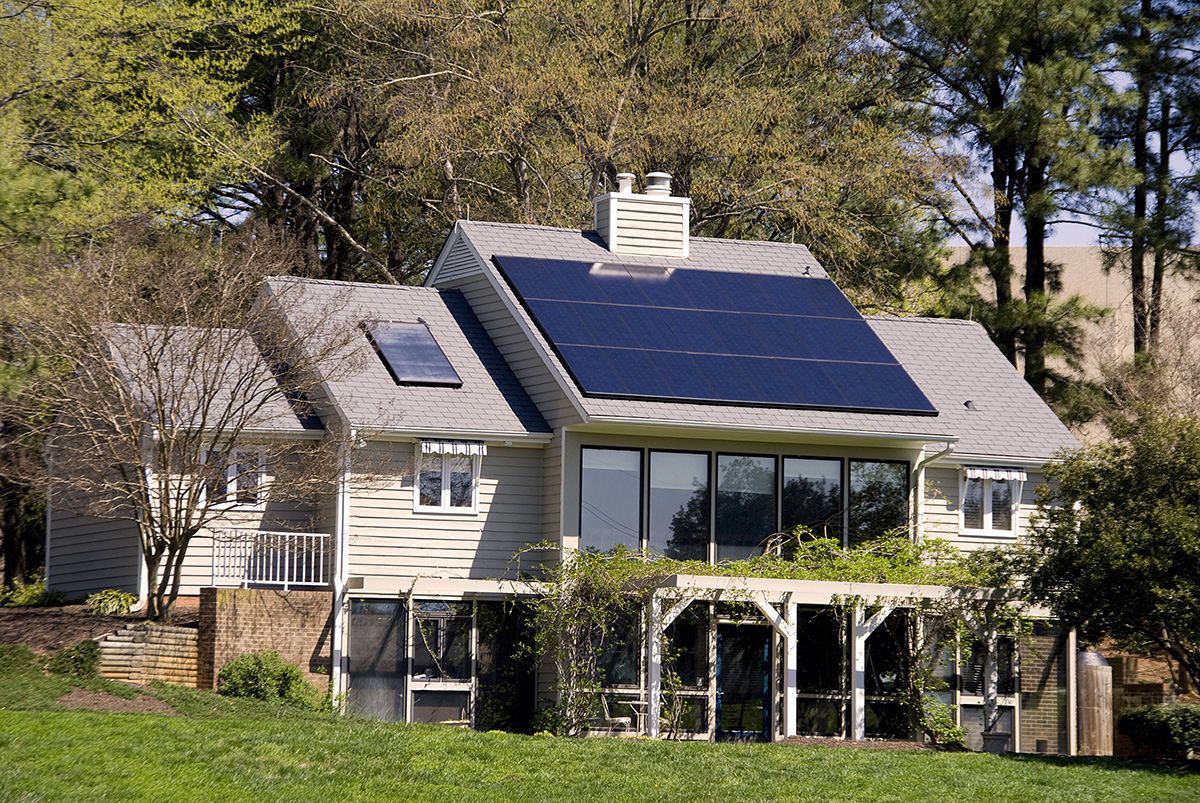
In the ever-evolving landscape of real estate, two groundbreaking trends are shaping the homes of tomorrow: sustainability and smart home technology. As consumers become increasingly aware of their environmental impact and as technology continues to advance at lightning speed, these trends are significantly influencing buying decisions in the residential real estate market.

By |February 25, 2025|Categories: Article, Real Estate, Technology|Tags: , |0 Comments

Harvard Study Projects Dramatic Slowdown in U.S. Household Growth

In a comprehensive analysis by Harvard's Joint Center for Housing Studies, there is a projected increase of 8.6 million households in the United States from 2025 to 2035. This equates to approximately 860,000 new households per year, marking a significant deceleration compared to the post-Great Recession era, which saw a sluggish yet larger gain of 10.1 million households.

By |February 24, 2025|Categories: Article, Demographics, Housing|Tags: , |0 Comments

AI Revolutionizing Real Estate: Predicting Trends and Values

The real estate industry, often seen as conservative, is gradually embracing technological advancements with AI leading the charge. Generative AI is already revolutionizing real estate marketing by enhancing customer experiences and optimizing content creation.

By |February 24, 2025|Categories: Article, Real Estate, Technology/AI|Tags: , |0 Comments

In-Person Work Policies: A Beacon of Hope for Commercial Real Estate

With office occupancy plummeting by 90% from February to March 2020, the impact of remote work was palpable. However, the researchers found that hybrid mandates and adding more in-office days could mitigate some of these challenges.