Florida’s Property Insurance Market Is Shifting Again — Here’s What Comes Next
Florida homeowners have had a stormy relationship with property insurance for nearly a decade — and not just because of hurricanes. Now, with more private insurers re‑entering the state and Citizens Property Insurance Corp. falling below 400,000 policies, major changes are finally taking shape.
To help cut through the noise, Florida Insurance Commissioner Michael Yaworsky sat down with the News Service of Florida to answer the questions on everyone’s mind. His insights paint a picture of cautious optimism — as long as lawmakers don’t shake the system too hard.
Source Spotlight
This article is inspired by an in‑depth Q&A published by the
Sun Sentinel.
Dive into the full conversation for extended insights and analysis.
The Market Is Improving — But Consumers Don’t Feel It Yet
Despite years of chaos fueled by sky‑high litigation and storm losses, Yaworsky says Florida is finally stabilizing. Last year, Florida recorded the lowest rate increases in the nation — just 1%.
“We’ve built this beautiful paradise on a peninsula between two bodies of water that love to throw storms our way.”
He explains that rates and premiums are not the same. Rates are regulated — premiums are driven by inflation, building costs, and replacement value. In short, even when rates fall, premiums can still rise due to the cost of rebuilding modern Florida homes.
Yaworsky adds that reforms passed in 2022 and 2023 prevented even larger increases. Without those changes, Florida could have faced 20–40% hikes like many other states.
The Shrinking of Citizens: A Healthy Sign (But Not the Goal)
Citizens Property Insurance Corp. has shrunk dramatically — from 1.4 million policies to under 400,000. While that sounds like a win, Yaworsky reminds Floridians that depopulation is a result of a healthier market, not the mission.
Citizens remains Florida’s essential insurance safety net. In 2017 and beyond, it carried enough surplus to absorb storms and litigation without triggering statewide assessments — a buffer Florida must preserve for future disruptions.
Health Insurance: A Different Kind of Storm
While property insurance is stabilizing, health insurance premiums are rising sharply — often double digits. Yaworsky attributes this largely to federal policy, but Florida is exploring ways to shield consumers without overreacting.
One notable move: capping insurer dividends when federal projections turn out inaccurate. Carriers must prove they are not profiting unfairly from rising rates.
What’s Coming in 2026: Transparency, Mitigation Credits, and AI Guardrails
The Office of Insurance Regulation aims to protect recent reforms and prevent a return to excessive litigation costs. New consumer-focused initiatives include:
Greater transparency showing where premium dollars actually go
Streamlined mitigation credits to help homeowners strengthen their homes
AI oversight to ensure technology-driven savings reach consumers
After three major insurance crises since Hurricane Andrew, Yaworsky believes today’s policies can prevent a fourth — if Florida stays the course.
Thinking About a Career in Insurance or Real Estate?
Understanding Florida’s insurance landscape doesn’t just help homeowners — it’s crucial for real estate agents, insurance professionals, mortgage brokers, adjusters, and anyone earning a license in today’s market.
If you’re preparing to launch a career or elevate your credentials, Cameron Academy offers state‑approved, flexible online licensing courses across Florida and all 50 states. Designed for working professionals and built around real‑world industry knowledge.
Getting licensed or staying ahead in your career can be a journey—but it doesn’t have to be overwhelming. Grab your favorite coffee or tea, take a moment to relax, and browse through our articles. Whether you’re just starting out or renewing your expertise, we’ve got tips, insights, and advice to keep you moving forward. Here’s to your success—one sip and one step at a time!
November marked another cooldown for commercial real estate, with total deal volume dropping 10% year over year and falling below even 2020’s levels. While overall activity is slowing, investors are concentrating their money on bigger, more resilient assets—driving a 51% surge in deals over $100 million and pushing average transaction sizes well above historical norms. Multifamily remains the strongest sector, office deals are becoming more strategically focused, and medical office and data centers continue to outperform as long‑term demand stays solid.
After years of stalled activity, commercial real estate may finally be nearing a rebound. Experts say that expected interest‑rate drops in 2026 could reignite investor confidence, unlock sidelined capital, and boost deal flow across multiple sectors. But the outlook isn’t uniformly sunny—multifamily faces oversupply, industrial is cooling after years of rapid growth, and weakening employment conditions may slow absorption. For professionals across real estate, mortgage, insurance, and finance, the shifting landscape presents both challenges and major opportunities for those who stay informed and properly licensed.
Consumer Reports delivered a major warning to Congress, highlighting how rapidly expanding fintech tools—especially AI‑driven platforms—are outpacing consumer protections. In testimony before the House Subcommittee on Digital Assets, Financial Technology and AI, CR called for stronger, clearer rules to prevent hidden fees, predatory practices, and confusion within digital financial products. For professionals in real estate, mortgages, insurance, and finance, these emerging regulations may soon influence lending decisions, underwriting, credit evaluations, and compliance expectations across the industry.
Amazon is preparing to cut up to 30,000 corporate jobs by mid‑2026 as it pivots aggressively toward automation and AI. Following 14,000 layoffs in late 2025, the company is eliminating layers of management to redirect billions into robotics, generative AI systems, and supercomputing partnerships. While warehouse hiring continues for seasonal demand, Amazon’s internal shift reveals a broader nationwide trend: white‑collar roles across tech, finance, logistics, and more are being reshaped by automation at unprecedented speed.
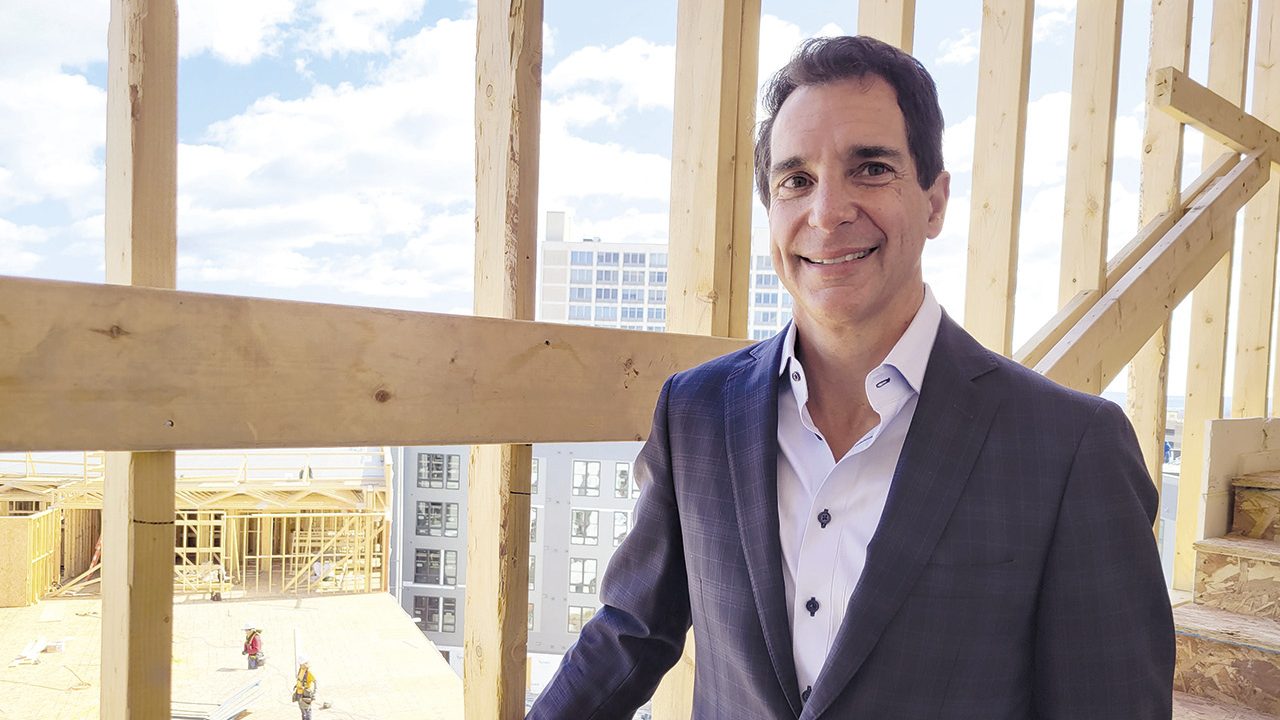
Florida’s real estate market enters 2026 with new leadership at the helm as Chuck Bonfiglio, broker-owner of AAA Realty Group, is officially installed as President of Florida Realtors. With more than 230,000 members behind the association, Bonfiglio highlights affordability, insurance reform, and taxes as key priorities while expressing optimism about easing mortgage rates, stabilizing prices, and growing inventory. Backed by years of statewide and national Realtor leadership, he aims to guide professionals through another transformative year alongside a newly appointed 2026 leadership team.
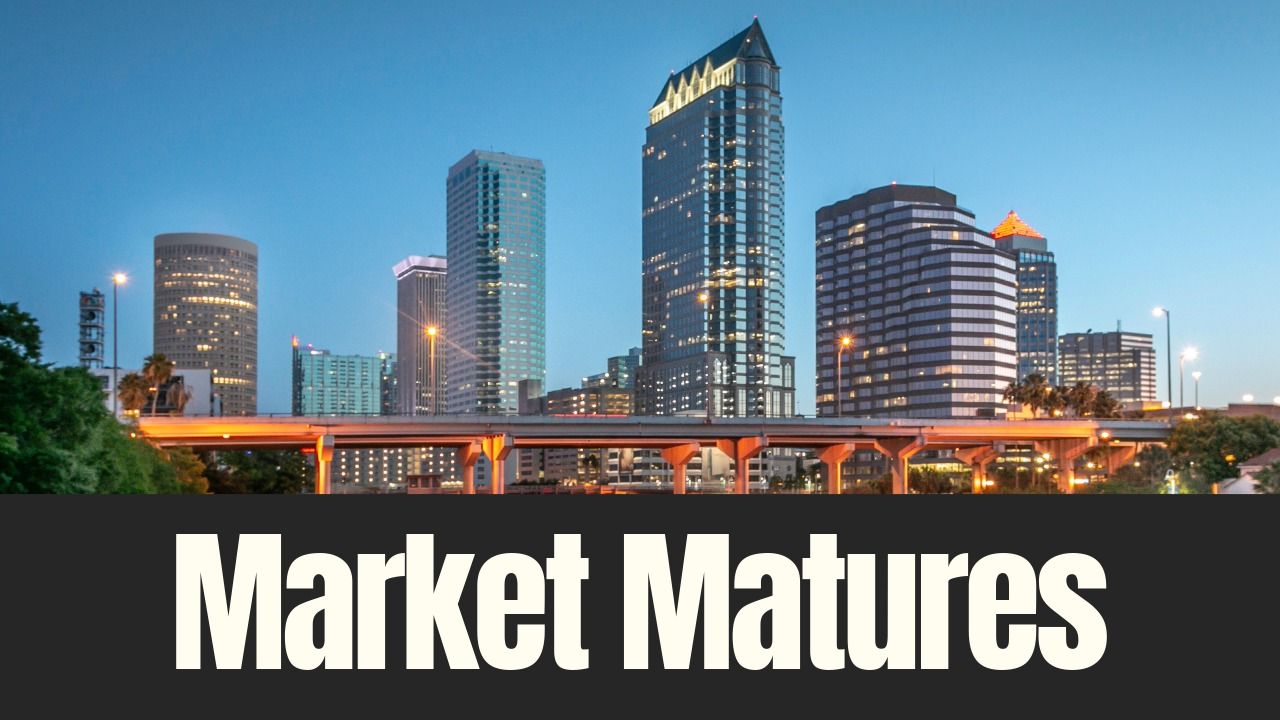
Tampa isn’t cooling off—it’s getting smarter. After years of rapid expansion, the city’s commercial real estate market has shifted into a more disciplined, selective phase. Population growth remains strong, office leasing is outperforming national trends, industrial activity is normalizing sustainably, and retail is seeing renewed investor confidence. With capital becoming more cautious and health care real estate emerging as a major growth sector, Tampa is entering a new era focused on strategy, execution, and long‑term fundamentals.