Florida’s Property Insurance Market Is Shifting Again — Here’s What Comes Next
Florida homeowners have had a stormy relationship with property insurance for nearly a decade — and not just because of hurricanes. Now, with more private insurers re‑entering the state and Citizens Property Insurance Corp. falling below 400,000 policies, major changes are finally taking shape.
To help cut through the noise, Florida Insurance Commissioner Michael Yaworsky sat down with the News Service of Florida to answer the questions on everyone’s mind. His insights paint a picture of cautious optimism — as long as lawmakers don’t shake the system too hard.
Source Spotlight
This article is inspired by an in‑depth Q&A published by the
Sun Sentinel.
Dive into the full conversation for extended insights and analysis.
The Market Is Improving — But Consumers Don’t Feel It Yet
Despite years of chaos fueled by sky‑high litigation and storm losses, Yaworsky says Florida is finally stabilizing. Last year, Florida recorded the lowest rate increases in the nation — just 1%.
“We’ve built this beautiful paradise on a peninsula between two bodies of water that love to throw storms our way.”
He explains that rates and premiums are not the same. Rates are regulated — premiums are driven by inflation, building costs, and replacement value. In short, even when rates fall, premiums can still rise due to the cost of rebuilding modern Florida homes.
Yaworsky adds that reforms passed in 2022 and 2023 prevented even larger increases. Without those changes, Florida could have faced 20–40% hikes like many other states.
The Shrinking of Citizens: A Healthy Sign (But Not the Goal)
Citizens Property Insurance Corp. has shrunk dramatically — from 1.4 million policies to under 400,000. While that sounds like a win, Yaworsky reminds Floridians that depopulation is a result of a healthier market, not the mission.
Citizens remains Florida’s essential insurance safety net. In 2017 and beyond, it carried enough surplus to absorb storms and litigation without triggering statewide assessments — a buffer Florida must preserve for future disruptions.
Health Insurance: A Different Kind of Storm
While property insurance is stabilizing, health insurance premiums are rising sharply — often double digits. Yaworsky attributes this largely to federal policy, but Florida is exploring ways to shield consumers without overreacting.
One notable move: capping insurer dividends when federal projections turn out inaccurate. Carriers must prove they are not profiting unfairly from rising rates.
What’s Coming in 2026: Transparency, Mitigation Credits, and AI Guardrails
The Office of Insurance Regulation aims to protect recent reforms and prevent a return to excessive litigation costs. New consumer-focused initiatives include:
Greater transparency showing where premium dollars actually go
Streamlined mitigation credits to help homeowners strengthen their homes
AI oversight to ensure technology-driven savings reach consumers
After three major insurance crises since Hurricane Andrew, Yaworsky believes today’s policies can prevent a fourth — if Florida stays the course.
Thinking About a Career in Insurance or Real Estate?
Understanding Florida’s insurance landscape doesn’t just help homeowners — it’s crucial for real estate agents, insurance professionals, mortgage brokers, adjusters, and anyone earning a license in today’s market.
If you’re preparing to launch a career or elevate your credentials, Cameron Academy offers state‑approved, flexible online licensing courses across Florida and all 50 states. Designed for working professionals and built around real‑world industry knowledge.
Getting licensed or staying ahead in your career can be a journey—but it doesn’t have to be overwhelming. Grab your favorite coffee or tea, take a moment to relax, and browse through our articles. Whether you’re just starting out or renewing your expertise, we’ve got tips, insights, and advice to keep you moving forward. Here’s to your success—one sip and one step at a time!
The average 30-year mortgage rate slipped to 6.18% just before Christmas, offering a small break from last year’s higher levels. Yet despite the improvement, mortgage applications for purchases and refinances have fallen to a three‑month low as buyers remain cautious. With mixed rate movements, fluctuating Treasury yields, and affordability challenges still weighing on first‑time buyers, the market is showing signs of stability but not momentum. Real estate professionals who stay informed on these shifting conditions will be best positioned to guide clients in 2026.
New CoStar data shows a widening split in the U.S. commercial real estate market, with high-value office towers, industrial hubs and major retail assets posting steady gains while smaller properties in secondary markets continue to lose ground. Premium assets logged their sixth straight monthly price increase in November, boosted by falling interest rates and limited new construction, while lower‑tier properties saw continued price declines and weakening demand.
Microsoft has eliminated long‑standing volume discounts on cloud services like Microsoft 365, Power BI, Intune and Defender, meaning healthcare organizations will soon pay the same price per seat whether they purchase 100 or 10,000 licenses. With the change taking effect at renewal, hospitals and health systems must begin auditing unused licenses, right‑sizing staff tiers, and re‑evaluating digital workflows to avoid major cost spikes. CDW is stepping in with advisory support, cost‑optimization tools, and flexible CSP options to help organizations navigate the transition before budgets tighten further.
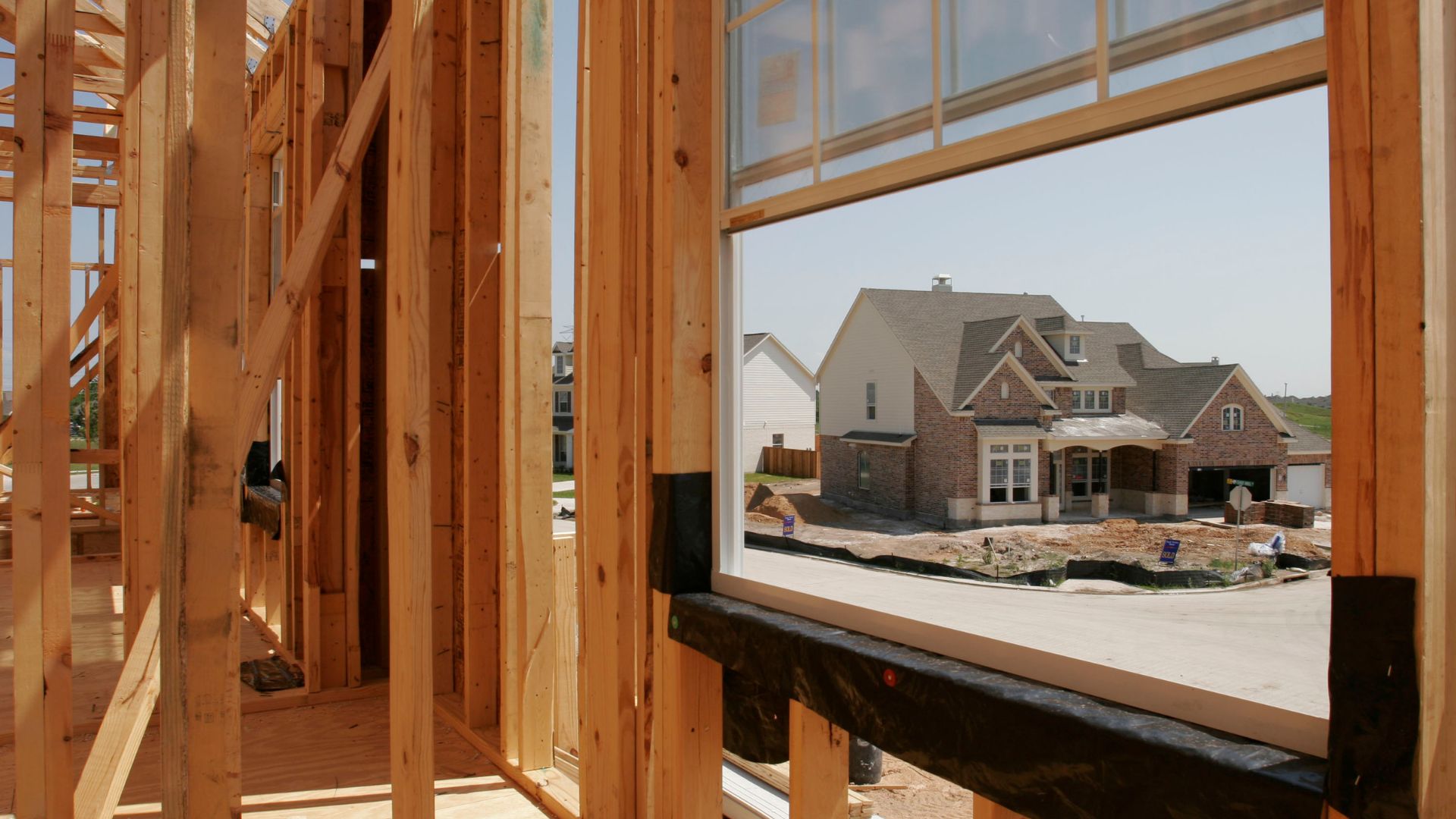
America is still short nearly 2.8 million homes, and in 2026 the states driving the bulk of new construction are once again Florida and Texas. With the South producing more than half of all new building permits nationwide, these regions are shaping the future of inventory, affordability, and opportunity. For real estate, mortgage, insurance, and finance professionals, the surge in Southern homebuilding—especially in Florida—signals expanding career potential as new inventory enters the market and demand for licensed experts continues to rise.
A new Redfin report crowns Irondequoit, New York as the nation’s most competitive housing market, with homes selling in just 8.5 days and often above asking. Priced at a median of $249,132, the lakeside suburb is drawing buyers seeking affordability and speed. The surprising lineup of competing markets—from Bay Area tech hubs to Rust Belt metros—highlights a shifting post‑pandemic housing landscape where affordability pressures and regional disparities continue to shape buyer behavior.
Alaska has overhauled its Third Party Administrator licensing rules, eliminating major long‑standing exemptions and pulling many previously exempt organizations into full licensing requirements starting January 1, 2026. Under Senate Bill 132 and Bulletin B 25‑09, TPAs must now review their operations, prepare documentation, and monitor upcoming state guidance as Alaska moves toward stricter oversight and stronger consumer protection.