Florida’s Property Insurance Market Is Shifting Again — Here’s What Comes Next
Florida homeowners have had a stormy relationship with property insurance for nearly a decade — and not just because of hurricanes. Now, with more private insurers re‑entering the state and Citizens Property Insurance Corp. falling below 400,000 policies, major changes are finally taking shape.
To help cut through the noise, Florida Insurance Commissioner Michael Yaworsky sat down with the News Service of Florida to answer the questions on everyone’s mind. His insights paint a picture of cautious optimism — as long as lawmakers don’t shake the system too hard.
Source Spotlight
This article is inspired by an in‑depth Q&A published by the
Sun Sentinel.
Dive into the full conversation for extended insights and analysis.
The Market Is Improving — But Consumers Don’t Feel It Yet
Despite years of chaos fueled by sky‑high litigation and storm losses, Yaworsky says Florida is finally stabilizing. Last year, Florida recorded the lowest rate increases in the nation — just 1%.
“We’ve built this beautiful paradise on a peninsula between two bodies of water that love to throw storms our way.”
He explains that rates and premiums are not the same. Rates are regulated — premiums are driven by inflation, building costs, and replacement value. In short, even when rates fall, premiums can still rise due to the cost of rebuilding modern Florida homes.
Yaworsky adds that reforms passed in 2022 and 2023 prevented even larger increases. Without those changes, Florida could have faced 20–40% hikes like many other states.
The Shrinking of Citizens: A Healthy Sign (But Not the Goal)
Citizens Property Insurance Corp. has shrunk dramatically — from 1.4 million policies to under 400,000. While that sounds like a win, Yaworsky reminds Floridians that depopulation is a result of a healthier market, not the mission.
Citizens remains Florida’s essential insurance safety net. In 2017 and beyond, it carried enough surplus to absorb storms and litigation without triggering statewide assessments — a buffer Florida must preserve for future disruptions.
Health Insurance: A Different Kind of Storm
While property insurance is stabilizing, health insurance premiums are rising sharply — often double digits. Yaworsky attributes this largely to federal policy, but Florida is exploring ways to shield consumers without overreacting.
One notable move: capping insurer dividends when federal projections turn out inaccurate. Carriers must prove they are not profiting unfairly from rising rates.
What’s Coming in 2026: Transparency, Mitigation Credits, and AI Guardrails
The Office of Insurance Regulation aims to protect recent reforms and prevent a return to excessive litigation costs. New consumer-focused initiatives include:
Greater transparency showing where premium dollars actually go
Streamlined mitigation credits to help homeowners strengthen their homes
AI oversight to ensure technology-driven savings reach consumers
After three major insurance crises since Hurricane Andrew, Yaworsky believes today’s policies can prevent a fourth — if Florida stays the course.
Thinking About a Career in Insurance or Real Estate?
Understanding Florida’s insurance landscape doesn’t just help homeowners — it’s crucial for real estate agents, insurance professionals, mortgage brokers, adjusters, and anyone earning a license in today’s market.
If you’re preparing to launch a career or elevate your credentials, Cameron Academy offers state‑approved, flexible online licensing courses across Florida and all 50 states. Designed for working professionals and built around real‑world industry knowledge.
Getting licensed or staying ahead in your career can be a journey—but it doesn’t have to be overwhelming. Grab your favorite coffee or tea, take a moment to relax, and browse through our articles. Whether you’re just starting out or renewing your expertise, we’ve got tips, insights, and advice to keep you moving forward. Here’s to your success—one sip and one step at a time!
After nearly 20 years under uniquely harsh lending rules, Florida may finally see its condo market freed from a 25% down payment requirement imposed only on the state. Industry leaders say Fannie Mae could announce changes as early as December—potentially restoring the standard 10% down payment used everywhere else in the country. Experts believe the shift would boost maintenance funding, improve affordability, and stabilize Florida’s condo market after years of strain.
Phoenix’s commercial real estate market is shaking off years of uncertainty as broker optimism hits its highest level since interest rates began climbing. The latest ASU Commercial Broker Sentiment Index soared to 62.7, signaling strong confidence across multifamily, retail, office, and capital markets. With population growth accelerating, interest rates easing, and AI boosting industry efficiency, Phoenix is positioning itself for a powerful run into 2026—offering meaningful opportunities for both new and seasoned real estate professionals.
Michigan’s House Rules Committee heard testimony on a proposal that would let licensed professionals complete all required continuing education online. Supporters say the change would modernize outdated rules, reduce costs, and improve access for rural and busy workers. The state licensing department backs the measure, and lawmakers noted it could reshape CE options across industries from real estate to insurance and healthcare.
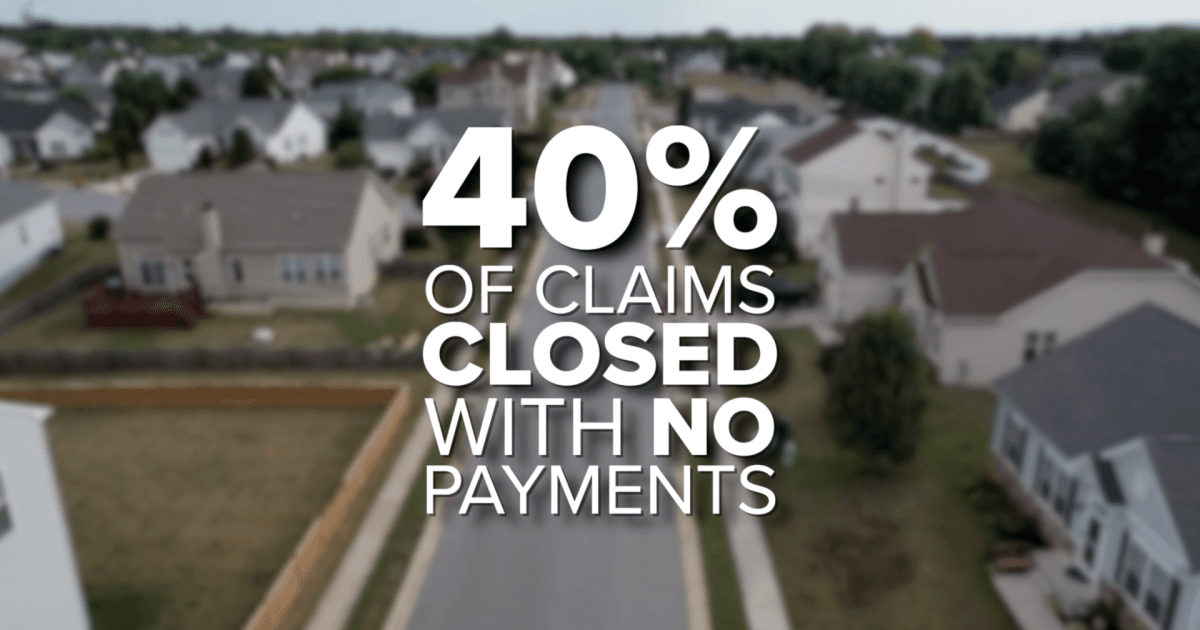
Florida homeowners are now paying an average of $5,838 per year for insurance — nearly $3,000 above the national average — making it one of the most expensive states in the country. As premiums continue to triple for some residents, many are being forced into tough decisions, from delaying home improvements to dropping coverage altogether. With more than 40% of claims closed with no payment and lawmakers pushing for aggressive reforms, the crisis is reshaping Florida’s housing market and placing growing pressure on real estate, mortgage, and insurance professionals statewide.
Griffin Funding has elevated John Jones to Senior Vice President of Growth and EOS Integrator, marking a major step in the company’s long-term expansion strategy. Already a key operational leader since April 2025, Jones will now drive performance optimization, market expansion, and leadership development as the lender pursues an ambitious goal of reaching $3 billion in annual non-QM loan volume by 2030. His promotion underscores Griffin Funding’s commitment to scaling strategically while strengthening its position in the fast-growing non-QM space.
Despite recent Federal Reserve rate cuts, commercial real estate remains frozen. Long‑term Treasury yields continue to climb, keeping borrowing costs high and preventing the relief investors expected. With nearly $1 trillion in commercial loans coming due, refinancing at today’s elevated rates is squeezing owners, slowing transactions, and creating a widening gap between buyers and sellers. For patient, well‑capitalized investors, this period of recalibration may offer some of the strongest opportunities in years.