Florida’s Property Insurance Market Stages a Remarkable Comeback
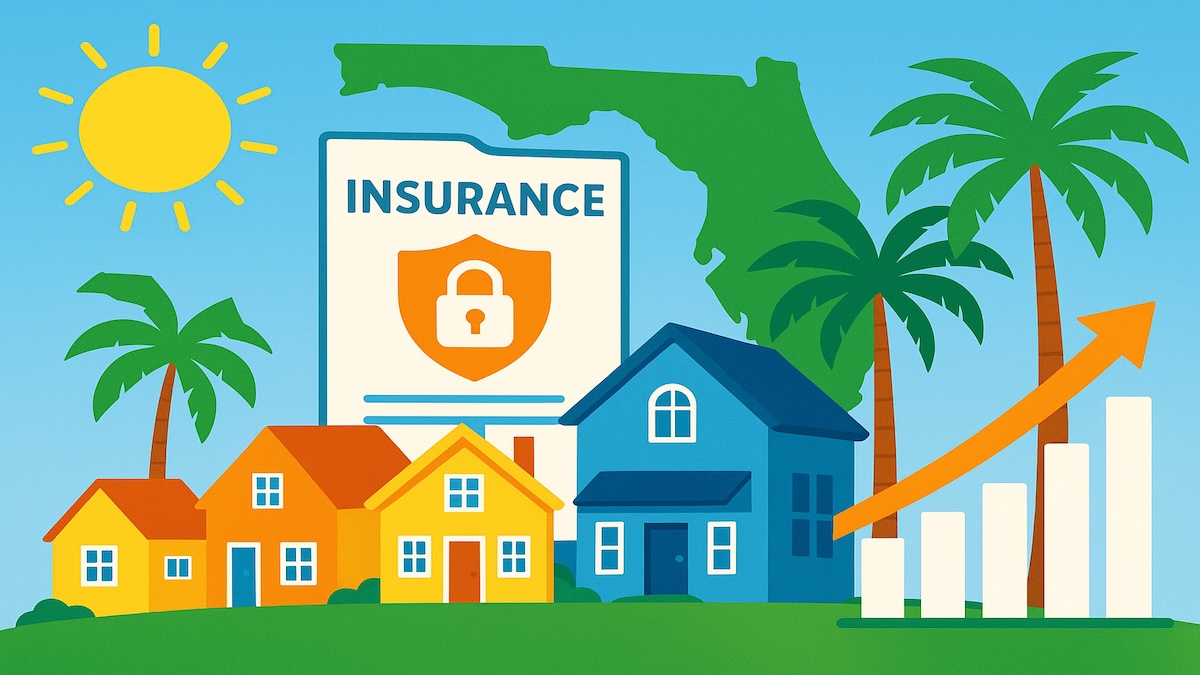
Florida home insurance illustration

Florida’s property insurance market has pulled off a recovery few thought possible after its near‑collapse in 2022. According to a new report from ALIRT Insurance Research, years of legislative reform and tightened underwriting practices have helped stabilize what was once one of the nation’s most volatile insurance environments.

The 2025 Florida Domestic Property Insurer Market Update reveals that the state’s insurance sector has rebounded significantly from the days when litigation costs, insurer failures and mounting losses threatened to overwhelm the system. The full report—available through ALIRT’s platform—charts one of the most dramatic insurance turnarounds in modern U.S. history.

A System Reshaped by Reform

The shift began in late 2022 and early 2023, when Florida lawmakers overhauled litigation rules and incentivized more responsible underwriting. These changes helped attract fresh insurer participation — a critical factor in stabilizing premiums and restoring consumer confidence.

ALIRT’s report highlights that 18 new or relaunched insurers have entered or announced plans to enter the Florida market since the reforms were enacted. Six of these companies began writing new homeowners policies during the 2024–2025 period alone.

“The transformation of the Florida property insurance market in just three years is extraordinary,” the researchers note. Stronger underwriting, reduced litigation exposure and more predictable reinsurance structures have helped rebuild the state’s insurance ecosystem.

Citizens Insurance Sees Its Load Lighten

One of the most telling signs of recovery is the decreasing policy volume at Citizens Property Insurance Corporation, Florida’s insurer of last resort. As private insurers re‑engage with the market, policies are moving away from Citizens — a shift state leaders have advocated for over a decade.

ALIRT also reports strengthened financial positions across Florida insurers, with higher solvency and performance scores under its proprietary ALIRT Score framework.

New Companies Signal Confidence

The study examined 37 Florida‑domiciled property insurers, reviewing their strategies, earnings and capital strength. Across the board, insurers are demonstrating improved profitability and stronger capitalization.

A notable trend is the rise of newly formed reciprocal insurance exchanges, attracting interest from MGAs, private equity groups and reinsurance‑backed investors. This wider participation reflects a market that, once avoided, is now seen as a promising long‑term investment.

Challenges Still Loom

Despite the remarkable rebound, ALIRT emphasizes that Florida remains uniquely vulnerable. Hurricanes, global reinsurance cost swings and legislative changes could all destabilize the progress made since 2022. The market may be stronger than at any point since the mid‑2010s, but it is far from invincible.

Why This Matters for Real Estate and Insurance Professionals

For real estate agents, mortgage professionals and insurance specialists, Florida’s insurance recovery reshapes housing affordability, buyer confidence and long‑term investment potential. Professionals who grasp these forces can better serve their clients in this rapidly evolving environment.

Those seeking to begin or elevate their careers in real estate, insurance or related fields can turn to Cameron Academy. Our licensing and continuing education programs—available across Florida and all 50 states—equip professionals to thrive in changing markets like Florida’s.

For an even deeper look into the data behind this comeback, HousingWire’s coverage offers an excellent and insightful breakdown.

More Articles

Getting licensed or staying ahead in your career can be a journey—but it doesn’t have to be overwhelming. Grab your favorite coffee or tea, take a moment to relax, and browse through our articles. Whether you’re just starting out or renewing your expertise, we’ve got tips, insights, and advice to keep you moving forward. Here’s to your success—one sip and one step at a time!

Proptech Promised a Revolution — So Why Does Real Estate Still Feel the Same?

Despite billions poured into proptech and a decade of flashy digital upgrades, the real estate experience remains largely unchanged. Apps made processes smoother, but not more transparent — because the industry’s core structures, data control and power dynamics stayed the same. True disruption will come from platforms that shift information and control to consumers, not just digitize outdated systems.

CRE Markets Wake Up in 2026: What Real Estate Professionals Need to Know

Early 2026 is delivering a clear message: commercial real estate is entering a recalibration phase. Construction is softening, pending home sales just saw a sharp drop, consumer sentiment is inching upward but remains fragile, and capital markets are tightening as major CRE sectors face rising distress. From data centers powering ahead to CMBS foreclosures climbing and office-to-residential conversions gaining momentum, professionals across real estate, mortgage, insurance, and finance need to stay sharp as the industry shifts.

Top 10 Highest-Paying Real Estate Careers of 2026

Discover the real estate roles earning the biggest paychecks in 2026. From investment consultants to commercial leasing managers, this breakdown highlights the salaries, responsibilities, and career paths offering the strongest financial potential in today’s evolving market—perfect for newcomers and seasoned professionals mapping their next big move.

Montana Launches Bold Licensing Reform Task Force to Boost Workforce Participation

Montana is taking major steps to remove outdated licensing barriers and strengthen its workforce. Governor Greg Gianforte has created a new Licensing Reform Task Force aimed at modernizing regulations, speeding up approvals, and helping more professionals enter high‑demand fields like construction and healthcare. With licensing numbers doubling over the past decade and rural communities facing critical shortages, the state is pushing for faster, more efficient pathways to work. The task force begins meeting in February and will deliver its full reform report by September 2026 — a move that could influence licensing modernization efforts nationwide.

AI Becomes Standard Gear for Real Estate Agents in 2026

Artificial intelligence has officially moved from novelty to necessity in the real estate world. According to new industry data, 97% of brokerage leaders say their agents now rely on AI tools for everything from listing descriptions to full-scale marketing campaigns. As adoption skyrockets, so do concerns over training, accuracy, and compliance — especially among smaller firms. The message is clear: for today’s real estate professionals, AI literacy isn’t optional anymore.

How the Biggest Players Shaped the 2025 Commercial Real Estate Comeback

Commercial real estate roared back to life in 2025, with more than $255B pouring into multifamily, industrial, office and retail assets. Major investors moved fast on falling interest rates, improving bond yields and rising confidence across sectors. Multifamily dominated with over $115B in deals, industrial surged under private equity leadership, office saw renewed activity from owner-users and retail proved surprisingly resilient. For today’s real estate and finance professionals, the message is clear: opportunity favors those who stay informed and ready to act.