Florida’s Property Insurance Market Stages a Remarkable Comeback
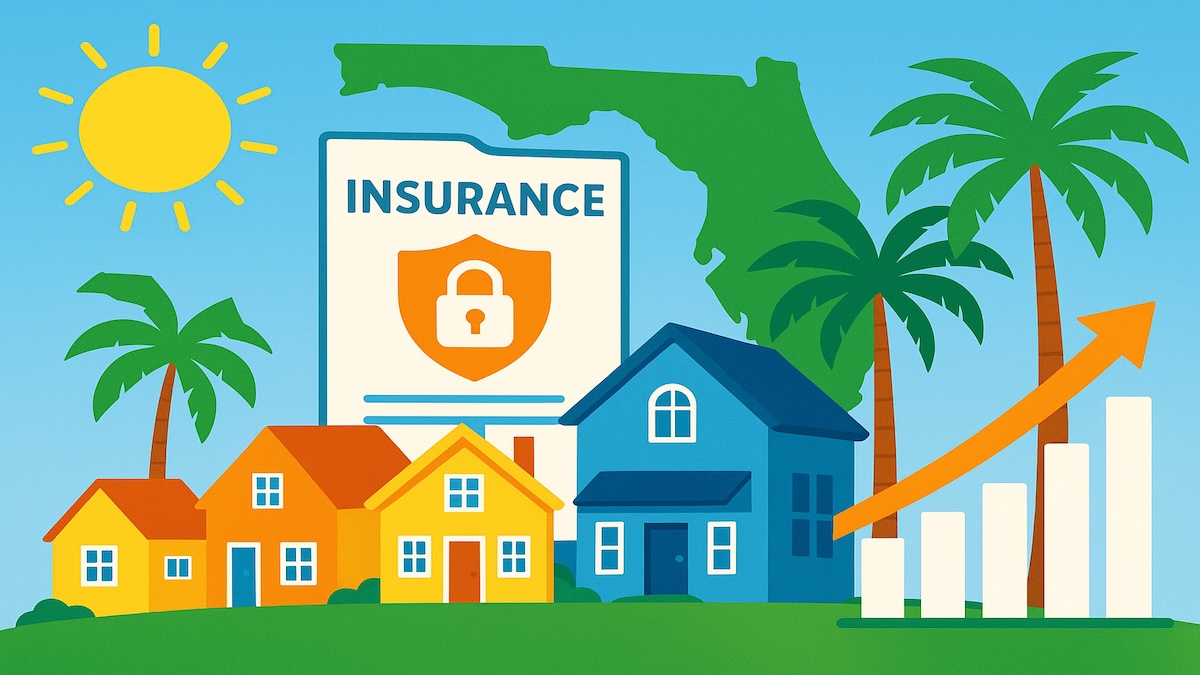
Florida home insurance illustration

Florida’s property insurance market has pulled off a recovery few thought possible after its near‑collapse in 2022. According to a new report from ALIRT Insurance Research, years of legislative reform and tightened underwriting practices have helped stabilize what was once one of the nation’s most volatile insurance environments.

The 2025 Florida Domestic Property Insurer Market Update reveals that the state’s insurance sector has rebounded significantly from the days when litigation costs, insurer failures and mounting losses threatened to overwhelm the system. The full report—available through ALIRT’s platform—charts one of the most dramatic insurance turnarounds in modern U.S. history.

A System Reshaped by Reform

The shift began in late 2022 and early 2023, when Florida lawmakers overhauled litigation rules and incentivized more responsible underwriting. These changes helped attract fresh insurer participation — a critical factor in stabilizing premiums and restoring consumer confidence.

ALIRT’s report highlights that 18 new or relaunched insurers have entered or announced plans to enter the Florida market since the reforms were enacted. Six of these companies began writing new homeowners policies during the 2024–2025 period alone.

“The transformation of the Florida property insurance market in just three years is extraordinary,” the researchers note. Stronger underwriting, reduced litigation exposure and more predictable reinsurance structures have helped rebuild the state’s insurance ecosystem.

Citizens Insurance Sees Its Load Lighten

One of the most telling signs of recovery is the decreasing policy volume at Citizens Property Insurance Corporation, Florida’s insurer of last resort. As private insurers re‑engage with the market, policies are moving away from Citizens — a shift state leaders have advocated for over a decade.

ALIRT also reports strengthened financial positions across Florida insurers, with higher solvency and performance scores under its proprietary ALIRT Score framework.

New Companies Signal Confidence

The study examined 37 Florida‑domiciled property insurers, reviewing their strategies, earnings and capital strength. Across the board, insurers are demonstrating improved profitability and stronger capitalization.

A notable trend is the rise of newly formed reciprocal insurance exchanges, attracting interest from MGAs, private equity groups and reinsurance‑backed investors. This wider participation reflects a market that, once avoided, is now seen as a promising long‑term investment.

Challenges Still Loom

Despite the remarkable rebound, ALIRT emphasizes that Florida remains uniquely vulnerable. Hurricanes, global reinsurance cost swings and legislative changes could all destabilize the progress made since 2022. The market may be stronger than at any point since the mid‑2010s, but it is far from invincible.

Why This Matters for Real Estate and Insurance Professionals

For real estate agents, mortgage professionals and insurance specialists, Florida’s insurance recovery reshapes housing affordability, buyer confidence and long‑term investment potential. Professionals who grasp these forces can better serve their clients in this rapidly evolving environment.

Those seeking to begin or elevate their careers in real estate, insurance or related fields can turn to Cameron Academy. Our licensing and continuing education programs—available across Florida and all 50 states—equip professionals to thrive in changing markets like Florida’s.

For an even deeper look into the data behind this comeback, HousingWire’s coverage offers an excellent and insightful breakdown.


More Articles

Getting licensed or staying ahead in your career can be a journey—but it doesn’t have to be overwhelming. Grab your favorite coffee or tea, take a moment to relax, and browse through our articles. Whether you’re just starting out or renewing your expertise, we’ve got tips, insights, and advice to keep you moving forward. Here’s to your success—one sip and one step at a time!

How AI Is Quietly Transforming the Modern Real Estate Agent’s Daily Workflow

Artificial intelligence has shifted from futuristic idea to everyday assistant for real estate professionals. Instead of replacing agents, AI now enhances their workflows—automating repetitive tasks, improving communication, strengthening branding, and turning complex market data into clear insights. From smarter CRMs to AI-powered marketing tools, today’s agents can focus more on relationships and client service while technology handles the busywork behind the scenes.

Florida Lawmakers Target Insurer Profit‑Shifting in New Bill Aimed at Stabilizing Homeowners Insurance

A Florida House committee is advancing a bill that would crack down on insurers shifting profits to affiliated companies — a practice highlighted by recent investigative reporting. With premiums soaring and options shrinking, the proposed oversight could reshape the state’s insurance landscape and create ripple effects across the real estate market, impacting buyers, agents, and investors statewide.

Tangent Proptech Celebrates 100 Episodes With Airbnb’s Vision for the Future of Flexible Living

Proptech podcast *Tangent* marks its 100th episode with an inside look at Airbnb’s evolving role in multifamily housing. Featuring Airbnb Real Estate Marketing Leader Eliza Lochner, the episode explores the rapid growth of Airbnb‑friendly apartments, the rise of flexible‑living models, and why renters and property owners are increasingly embracing hosting as a way to balance affordability, transparency, and control. For today’s real estate professionals—especially in fast‑changing markets like Florida—the conversation highlights major shifts in tenant expectations, property management strategies, and the intersection of technology, hospitality, and residential development.

Florida Homeowners Hit Breaking Point as Insurance Premiums Top $14,000

A Tampa Heights homeowner has joined the growing wave of Floridians dropping property insurance altogether after his 2026 renewal skyrocketed to $14,523. With up to 20% of residents now going bare, experts warn that soaring rates, shrinking coverage options, and post‑storm losses are pushing many to take risky measures — even as alternatives like liability‑only plans, dropped wind coverage, or home‑hardening upgrades may offer relief.

How New ERAS “Scholarly Works” Rules Could Reshape the Future of Medical Residency Applications

A major ERAS overhaul is coming in 2027, replacing the familiar “publications” field with a more rigorous category called “scholarly works.” Only peer‑reviewed submissions—such as manuscripts, abstracts, book chapters, and presentations—will qualify, shifting greater emphasis toward high‑quality research. While the change aims to give residency directors clearer insight into applicants’ academic contributions, many students worry that advocacy and policy work may lose visibility. As programs lean more heavily on research output in a post–Step 1 pass/fail era, future applicants will need to showcase not just what they’ve produced, but the depth and meaning behind it.

Mortgage Rates Rebound: What Professionals Need to Know in 2026

Mortgage rates have ticked back up to 6.25% after a brief dip, signaling a return to stability in the housing market. With rising inventory, moderating prices, and forecasts calling for steady rates through 2026, real estate and finance professionals can expect a more predictable environment ahead. This shift opens the door to smoother transactions, improved buyer confidence, and stronger opportunities for career growth across mortgage, real estate, insurance, and related fields.