Florida’s Property Insurance Market Stages a Remarkable Comeback
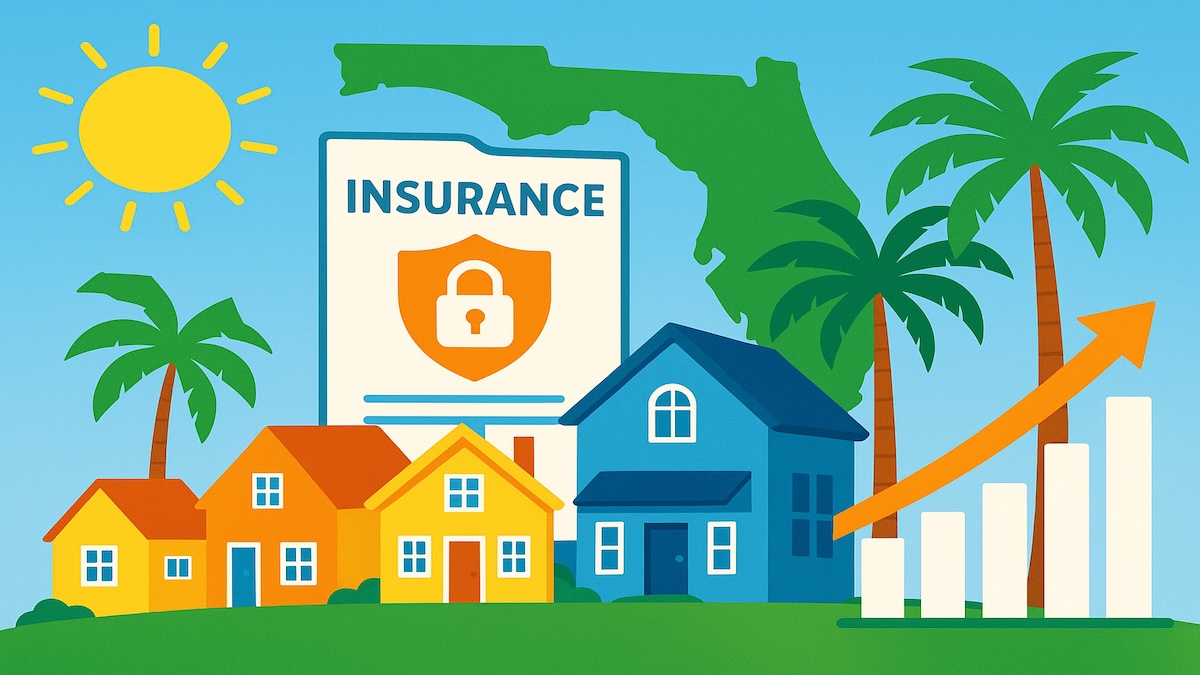
Florida home insurance illustration

Florida’s property insurance market has pulled off a recovery few thought possible after its near‑collapse in 2022. According to a new report from ALIRT Insurance Research, years of legislative reform and tightened underwriting practices have helped stabilize what was once one of the nation’s most volatile insurance environments.

The 2025 Florida Domestic Property Insurer Market Update reveals that the state’s insurance sector has rebounded significantly from the days when litigation costs, insurer failures and mounting losses threatened to overwhelm the system. The full report—available through ALIRT’s platform—charts one of the most dramatic insurance turnarounds in modern U.S. history.

A System Reshaped by Reform

The shift began in late 2022 and early 2023, when Florida lawmakers overhauled litigation rules and incentivized more responsible underwriting. These changes helped attract fresh insurer participation — a critical factor in stabilizing premiums and restoring consumer confidence.

ALIRT’s report highlights that 18 new or relaunched insurers have entered or announced plans to enter the Florida market since the reforms were enacted. Six of these companies began writing new homeowners policies during the 2024–2025 period alone.

“The transformation of the Florida property insurance market in just three years is extraordinary,” the researchers note. Stronger underwriting, reduced litigation exposure and more predictable reinsurance structures have helped rebuild the state’s insurance ecosystem.

Citizens Insurance Sees Its Load Lighten

One of the most telling signs of recovery is the decreasing policy volume at Citizens Property Insurance Corporation, Florida’s insurer of last resort. As private insurers re‑engage with the market, policies are moving away from Citizens — a shift state leaders have advocated for over a decade.

ALIRT also reports strengthened financial positions across Florida insurers, with higher solvency and performance scores under its proprietary ALIRT Score framework.

New Companies Signal Confidence

The study examined 37 Florida‑domiciled property insurers, reviewing their strategies, earnings and capital strength. Across the board, insurers are demonstrating improved profitability and stronger capitalization.

A notable trend is the rise of newly formed reciprocal insurance exchanges, attracting interest from MGAs, private equity groups and reinsurance‑backed investors. This wider participation reflects a market that, once avoided, is now seen as a promising long‑term investment.

Challenges Still Loom

Despite the remarkable rebound, ALIRT emphasizes that Florida remains uniquely vulnerable. Hurricanes, global reinsurance cost swings and legislative changes could all destabilize the progress made since 2022. The market may be stronger than at any point since the mid‑2010s, but it is far from invincible.

Why This Matters for Real Estate and Insurance Professionals

For real estate agents, mortgage professionals and insurance specialists, Florida’s insurance recovery reshapes housing affordability, buyer confidence and long‑term investment potential. Professionals who grasp these forces can better serve their clients in this rapidly evolving environment.

Those seeking to begin or elevate their careers in real estate, insurance or related fields can turn to Cameron Academy. Our licensing and continuing education programs—available across Florida and all 50 states—equip professionals to thrive in changing markets like Florida’s.

For an even deeper look into the data behind this comeback, HousingWire’s coverage offers an excellent and insightful breakdown.


More Articles

Getting licensed or staying ahead in your career can be a journey—but it doesn’t have to be overwhelming. Grab your favorite coffee or tea, take a moment to relax, and browse through our articles. Whether you’re just starting out or renewing your expertise, we’ve got tips, insights, and advice to keep you moving forward. Here’s to your success—one sip and one step at a time!

Illinois Launches 2026 With 200+ New Laws Reshaping Work, Healthcare, and Education

Illinois kicked off the new year with more than 200 laws taking effect, impacting professionals across healthcare, insurance, real estate, education, and other regulated industries. From major healthcare coverage expansions to new AI hiring limits, enhanced worker protections, school safety reforms, and upgraded public‑safety standards, nearly every sector will see meaningful changes. As compliance expectations grow, institutions like Cameron Academy help professionals stay prepared and career‑ready in an evolving regulatory landscape.

Why Distressed Properties Could Become the Top Commercial Real Estate Opportunity of 2026

As commercial real estate moves beyond two turbulent years, 2026 is emerging as a year of growth for professionals who know where to look. According to First American economist Xander Snyder, the biggest wins may come not from booming sectors but from distressed properties—especially those with short‑term issues that can recover with creative financing, recapitalization, or strategic repositioning. Multifamily distress, selective office restructuring, and the rise of non‑QM lending are setting the stage for brokers, investors, and new licensees to capitalize on flexible deal‑making and evolving market conditions.

2026 Becomes America’s Housing Turning Point

Housing is taking over the national spotlight in 2026, with federal leaders, big‑city mayors, and market professionals all zeroing in on affordability, supply, and sweeping policy changes. From President Trump’s promised reform agenda to looming Section 8 funding risks and aggressive city‑level zoning overhauls, the year is shaping up to be one of the most consequential periods for real estate and related licensed professions. For agents, mortgage brokers, insurance specialists, and anyone tied to the housing ecosystem, rapid shifts in policy and market conditions make 2026 a year where preparation, education, and adaptability will be essential.

When a Familiar Voice Becomes a Perfect Fake: AI Fraud Strikes Real Estate Finance

A lender wires $4.2 million after receiving what sounded like a routine call from a borrower’s attorney—same voice, same tone, same mannerisms. By morning, the truth emerges: the email was hacked, the phone call was an AI‑generated voice clone, and the money is gone. As scammers use AI to mimic voices, emails, and documents with startling accuracy, real estate finance has become a prime target. The industry’s growing reliance on AI brings efficiency, but also dangerous new vulnerabilities, pushing regulators, insurers, and professionals to rethink verification, security, and trust itself.

Americans Are Moving Differently — And It’s Reshaping Commercial Real Estate

A new wave of migration is changing the shape of commercial real estate as Americans trade costly metros for more affordable, lifestyle-friendly regions. Smaller Southern and mid‑Atlantic markets are gaining momentum, while pandemic boom states like Florida, Texas, and Arizona are now leveling off. These shifts are influencing demand for housing, retail, office parks, warehouses, and even self‑storage, signaling both fresh opportunities and heightened caution for investors and real estate professionals.

Florida May Slash or Eliminate Property Taxes in 2026, Sparking Hope and Alarm Across the State

Florida is gearing up for a potential overhaul of its property tax system, with lawmakers pushing proposals that could dramatically reduce or even eliminate property taxes by 2026. Homeowners facing rising bills welcome the idea, but city and county leaders warn it could cripple essential services like police, fire response, and local infrastructure. As political tensions escalate — including accusations of overspending and sharp pushback from local officials — real estate professionals should prepare for major market impacts if reforms move forward.