Florida’s Property Insurance Market Stages a Remarkable Comeback
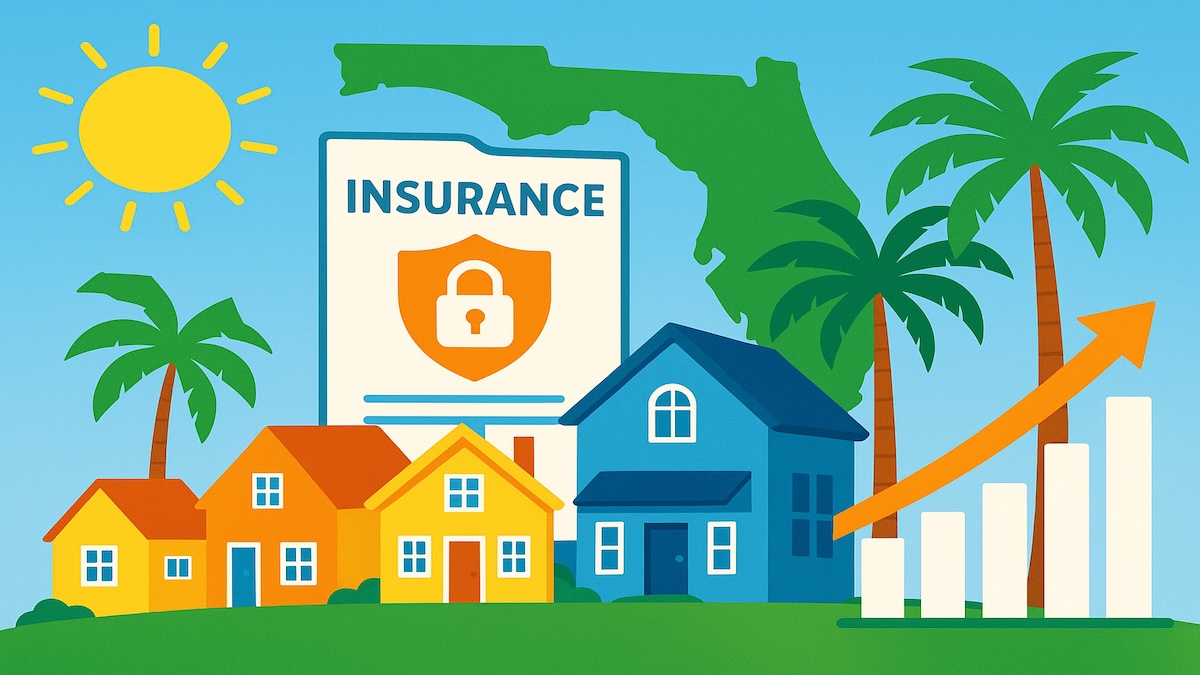
Florida’s property insurance market has pulled off a recovery few thought possible after its near‑collapse in 2022.
According to a new report from ALIRT Insurance Research, years of legislative reform and tightened underwriting practices have helped stabilize what was once one of the nation’s most volatile insurance environments.
The 2025 Florida Domestic Property Insurer Market Update reveals that the state’s insurance sector has rebounded significantly from the days when litigation costs, insurer failures and mounting losses threatened to overwhelm the system.
The full report—available through ALIRT’s platform—charts one of the most dramatic insurance turnarounds in modern U.S. history.
A System Reshaped by Reform
The shift began in late 2022 and early 2023, when Florida lawmakers overhauled litigation rules and incentivized more responsible underwriting.
These changes helped attract fresh insurer participation — a critical factor in stabilizing premiums and restoring consumer confidence.
ALIRT’s report highlights that 18 new or relaunched insurers have entered or announced plans to enter the Florida market since the reforms were enacted.
Six of these companies began writing new homeowners policies during the 2024–2025 period alone.
“The transformation of the Florida property insurance market in just three years is extraordinary,” the researchers note.
Stronger underwriting, reduced litigation exposure and more predictable reinsurance structures have helped rebuild the state’s insurance ecosystem.
Citizens Insurance Sees Its Load Lighten
One of the most telling signs of recovery is the decreasing policy volume at Citizens Property Insurance Corporation, Florida’s insurer of last resort.
As private insurers re‑engage with the market, policies are moving away from Citizens — a shift state leaders have advocated for over a decade.
ALIRT also reports strengthened financial positions across Florida insurers, with higher solvency and performance scores under its proprietary ALIRT Score framework.
New Companies Signal Confidence
The study examined 37 Florida‑domiciled property insurers, reviewing their strategies, earnings and capital strength.
Across the board, insurers are demonstrating improved profitability and stronger capitalization.
A notable trend is the rise of newly formed reciprocal insurance exchanges, attracting interest from MGAs, private equity groups and reinsurance‑backed investors.
This wider participation reflects a market that, once avoided, is now seen as a promising long‑term investment.
Challenges Still Loom
Despite the remarkable rebound, ALIRT emphasizes that Florida remains uniquely vulnerable.
Hurricanes, global reinsurance cost swings and legislative changes could all destabilize the progress made since 2022.
The market may be stronger than at any point since the mid‑2010s, but it is far from invincible.
Why This Matters for Real Estate and Insurance Professionals
For real estate agents, mortgage professionals and insurance specialists, Florida’s insurance recovery reshapes housing affordability, buyer confidence and long‑term investment potential.
Professionals who grasp these forces can better serve their clients in this rapidly evolving environment.
Those seeking to begin or elevate their careers in real estate, insurance or related fields can turn to Cameron Academy.
Our licensing and continuing education programs—available across Florida and all 50 states—equip professionals to thrive in changing markets like Florida’s.
For an even deeper look into the data behind this comeback, HousingWire’s coverage offers an excellent and insightful breakdown.