Florida’s Property Insurance Market Stages a Remarkable Comeback
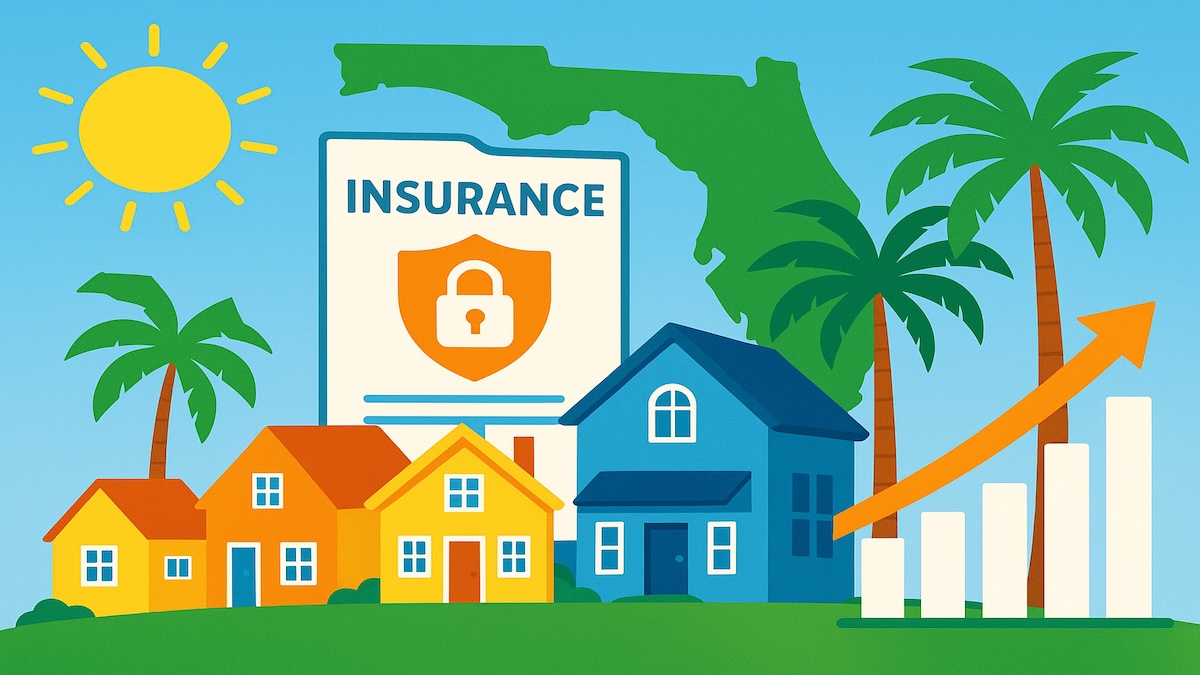
Florida home insurance illustration

Florida’s property insurance market has pulled off a recovery few thought possible after its near‑collapse in 2022. According to a new report from ALIRT Insurance Research, years of legislative reform and tightened underwriting practices have helped stabilize what was once one of the nation’s most volatile insurance environments.

The 2025 Florida Domestic Property Insurer Market Update reveals that the state’s insurance sector has rebounded significantly from the days when litigation costs, insurer failures and mounting losses threatened to overwhelm the system. The full report—available through ALIRT’s platform—charts one of the most dramatic insurance turnarounds in modern U.S. history.

A System Reshaped by Reform

The shift began in late 2022 and early 2023, when Florida lawmakers overhauled litigation rules and incentivized more responsible underwriting. These changes helped attract fresh insurer participation — a critical factor in stabilizing premiums and restoring consumer confidence.

ALIRT’s report highlights that 18 new or relaunched insurers have entered or announced plans to enter the Florida market since the reforms were enacted. Six of these companies began writing new homeowners policies during the 2024–2025 period alone.

“The transformation of the Florida property insurance market in just three years is extraordinary,” the researchers note. Stronger underwriting, reduced litigation exposure and more predictable reinsurance structures have helped rebuild the state’s insurance ecosystem.

Citizens Insurance Sees Its Load Lighten

One of the most telling signs of recovery is the decreasing policy volume at Citizens Property Insurance Corporation, Florida’s insurer of last resort. As private insurers re‑engage with the market, policies are moving away from Citizens — a shift state leaders have advocated for over a decade.

ALIRT also reports strengthened financial positions across Florida insurers, with higher solvency and performance scores under its proprietary ALIRT Score framework.

New Companies Signal Confidence

The study examined 37 Florida‑domiciled property insurers, reviewing their strategies, earnings and capital strength. Across the board, insurers are demonstrating improved profitability and stronger capitalization.

A notable trend is the rise of newly formed reciprocal insurance exchanges, attracting interest from MGAs, private equity groups and reinsurance‑backed investors. This wider participation reflects a market that, once avoided, is now seen as a promising long‑term investment.

Challenges Still Loom

Despite the remarkable rebound, ALIRT emphasizes that Florida remains uniquely vulnerable. Hurricanes, global reinsurance cost swings and legislative changes could all destabilize the progress made since 2022. The market may be stronger than at any point since the mid‑2010s, but it is far from invincible.

Why This Matters for Real Estate and Insurance Professionals

For real estate agents, mortgage professionals and insurance specialists, Florida’s insurance recovery reshapes housing affordability, buyer confidence and long‑term investment potential. Professionals who grasp these forces can better serve their clients in this rapidly evolving environment.

Those seeking to begin or elevate their careers in real estate, insurance or related fields can turn to Cameron Academy. Our licensing and continuing education programs—available across Florida and all 50 states—equip professionals to thrive in changing markets like Florida’s.

For an even deeper look into the data behind this comeback, HousingWire’s coverage offers an excellent and insightful breakdown.


More Articles

Getting licensed or staying ahead in your career can be a journey—but it doesn’t have to be overwhelming. Grab your favorite coffee or tea, take a moment to relax, and browse through our articles. Whether you’re just starting out or renewing your expertise, we’ve got tips, insights, and advice to keep you moving forward. Here’s to your success—one sip and one step at a time!

Judge Blocks Class Status in Major Commission Lawsuit, Shaking Up the Real Estate Industry

A federal judge has denied class‑certification in the high‑stakes Batton commission lawsuit, delivering a temporary win for NAR and major brokerages while leaving the door open for plaintiffs to try again. With as much as $3.6 billion in potential damages on the line and nearly 80% of the proposed class now disqualified due to conflicts with earlier settlements, the case stands at a pivotal moment. Real estate professionals nationwide — especially in Florida — should watch closely, as the ruling could shape the future of buyer‑agent compensation.

Florida Homeowners Hit Hard by Skyrocketing Insurance Rates as Lawmakers Race Toward Reform

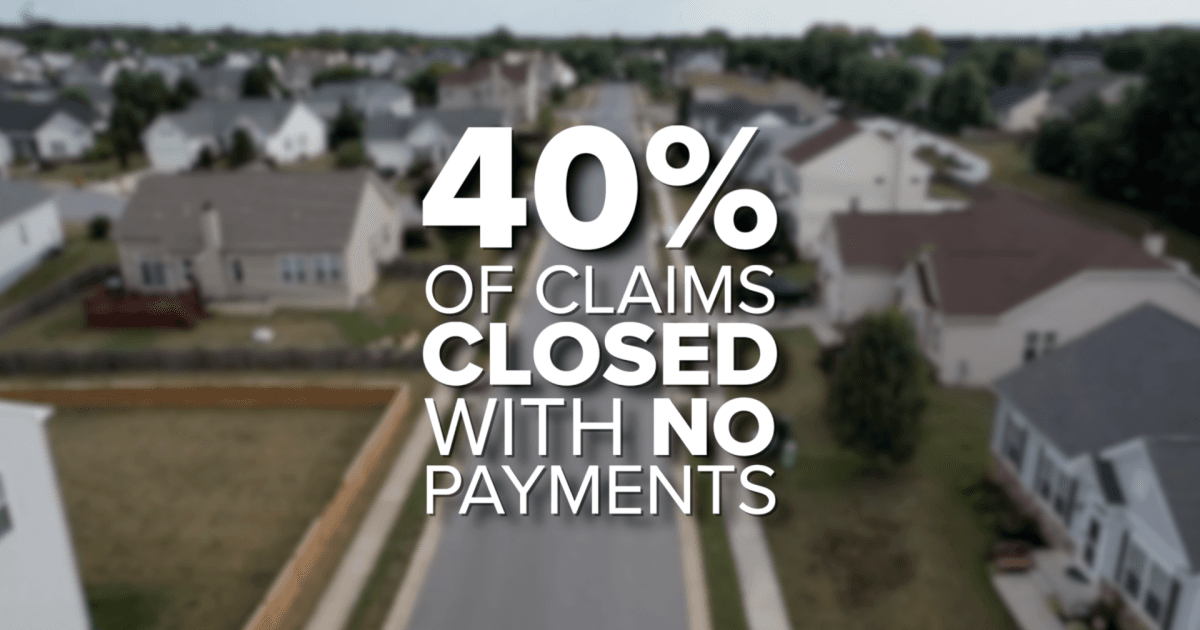
Florida homeowners are paying nearly double the national average for insurance, with premiums now reaching $5,838 a year and denied claims topping 40 percent. Residents report tripled rates, underpaid claims, and mounting financial strain, pushing lawmakers in Tallahassee to propose caps on rate hikes, tax breaks for storm‑proof upgrades, and tighter oversight of insurers. These developments are reshaping real estate and insurance conversations across the state as professionals brace for major industry shifts.

Inside Berkshire County’s Surging 2025 Real Estate Market: Q3 Deep Dive

Berkshire County closed Q3 2025 with strong momentum as sales, dollar volume, and buyer competition all climbed year‑over‑year. Inventory showed slight improvement but remains far below demand, keeping the market tilted toward sellers. Single‑family homes and condos led the surge, while multifamily, land, and commercial sectors showed mixed performance. The region continues to stand out as one of New England’s most resilient real estate markets heading into 2026.

Florida Homeowners Are Reaching a Breaking Point as Insurance Costs Skyrocket

Florida homeowners now face the highest insurance burdens in the nation, with average premiums topping $5,800 per year—roughly $3,000 above the national average. As rates triple for some residents, more Floridians are skipping coverage altogether, while denied claims and slow payouts add to the frustration. With over 40 percent of claims closing with no payment and lawmakers battling over reform in Tallahassee, the crisis is reshaping budgets, homebuying decisions, and the real estate industry statewide.

How Global Investors Are Rewriting the Real Estate Playbook for 2026

Global capital is surging back into real estate—and this time, investors want more control. Colliers’ 2026 Global Investor Outlook reveals a major shift toward direct investments, joint ventures, and hands‑on strategies as money moves across North America, Europe, and the booming Asia‑Pacific markets. Data centers are now the top‑funded asset class, offices are staging a comeback, and adaptive reuse is reshaping cities worldwide. For real estate and finance professionals, the message is clear: opportunity is accelerating, and those with the right education and licensing will be at the center of the action.

Why Lower Interest Rates Still Aren’t Saving Commercial Real Estate

The Fed’s recent rate cuts should have offered relief to commercial real estate—but long-term borrowing costs haven’t budged. While short‑term rates are falling, stubborn long‑term yields, broken deal math, and a trillion‑dollar refinancing wave are keeping the market frozen. For investors and professionals across Florida and the nation, understanding this disconnect is key to navigating the opportunities and risks emerging in today’s shifting CRE landscape.