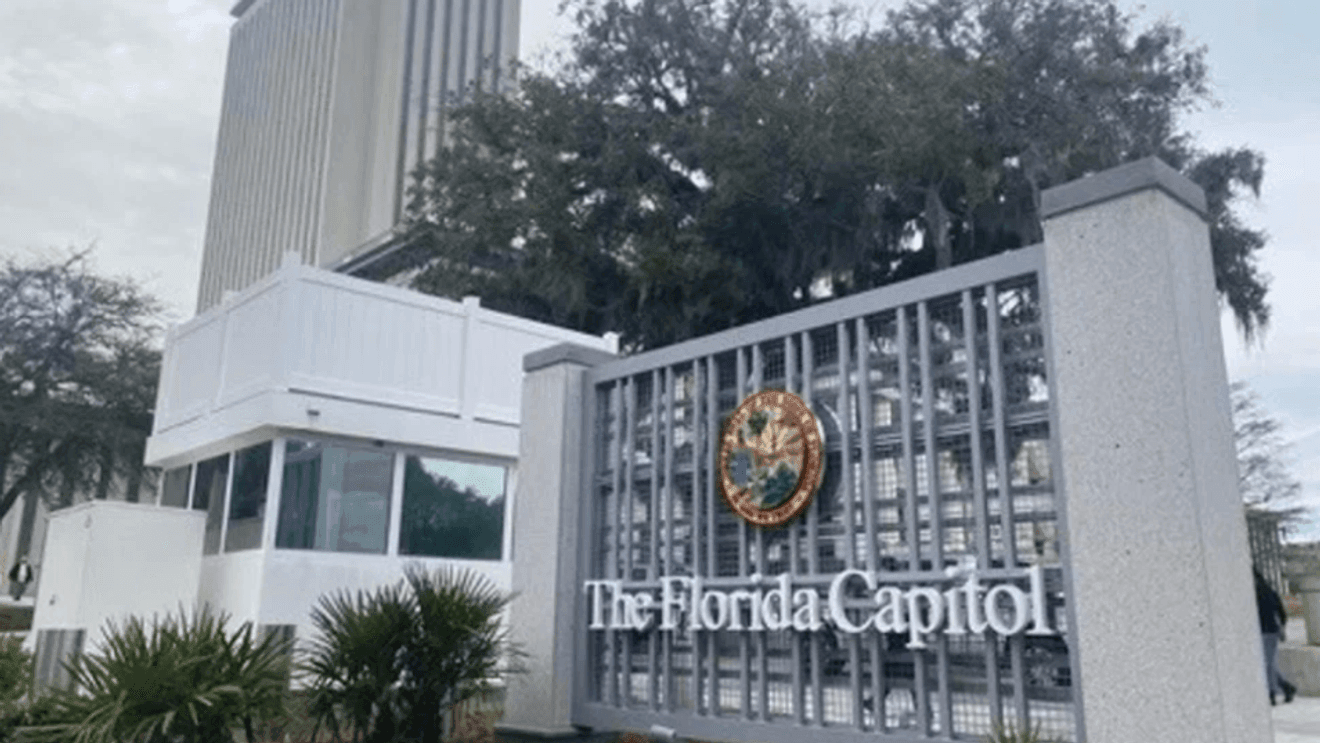
Florida’s Property Tax Shake-Up: Big Ideas, Big Uncertainty as Session Nears Finale
A massive property tax overhaul is barreling through Tallahassee, and depending on who you ask, it’s either a historic breakthrough or a dramatic risk to Florida’s financial stability. As lawmakers enter the final stretch of the legislative session, the debate over how far to go — and how fast — has become one of the most closely watched political battles of the year.
The Florida House recently approved what some are calling the boldest property tax proposal in state history. But with the Senate signaling hesitation and Gov. Ron DeSantis floating his own ideas, the path forward is anything but clear.
The House’s Big Swing: Eliminating Most Property Taxes on Primary Homes
The House plan aims to eliminate all non-school property taxes for Floridians’ primary residences, pending voter approval on the 2026 ballot. Speaker Danny Perez admitted the road ahead may be rocky:
“What happens in the days ahead will decide if we will be here another three weeks or another three months,” he said during a pre-vote speech.
The effort was guided by Rep. Toby Overdorf, who acknowledged the pressure of the ticking legislative clock:
“So, we still have three weeks technically left in session, and we’ll see what happens with our partners across the rotunda.”
Senate President Ben Albritton made it clear the upper chamber isn’t ready to rubber-stamp the House’s plan. Instead, he says the Senate is working with the governor to craft a version with wider support.
“At the end of the day, what we’re looking for… is something to build consensus around,” Albritton noted.
Gov. DeSantis has publicly suggested going even further by eliminating homestead taxes entirely, though details are still sparse. In a CNBC appearance, he reaffirmed his push to get something on the 2026 ballot requiring 60% voter approval.
Democrats Sound the Alarm
Opposition has come loudest from Democrats who argue the proposals — especially the House version — could gut local budgets and force municipalities to rely more heavily on state funding.
House Minority Leader Fentrice Driskell warned the move could create “welfare counties” unable to support themselves. Senate Minority Leader Lori Berman echoed the concern, saying Democrats have seen “no concrete alternative” and that she opposes the House plan outright.
The Bigger Picture: A Legislature Under Pressure
Property taxes aren’t the only item on lawmakers’ plates. The session has been packed with debates over artificial intelligence rules, firearm legislation, rural infrastructure, and the looming state budget.
So far, only seven bills have made it to the governor’s desk — a sign of how much work remains and how tightly packed the final weeks will be.
Why This Matters for Florida’s Real Estate Professionals
If non-school property taxes on primary residences disappear, the ripple effects would be enormous. Home values, buyer demand, local service funding, insurance markets — they all shift. Whether this ends in major tax relief or a long-term restructuring of Florida’s revenue system, real estate professionals must stay ahead of the curve.
At Cameron Academy, we keep Florida agents, brokers, appraisers, and mortgage professionals prepared for every shift in the market and every policy pivot that affects property ownership. Legislative moments like this are exactly why staying educated and license-ready matters.
Getting licensed or staying ahead in your career can be a journey—but it doesn’t have to be overwhelming. Grab your favorite coffee or tea, take a moment to relax, and browse through our articles. Whether you’re just starting out or renewing your expertise, we’ve got tips, insights, and advice to keep you moving forward. Here’s to your success—one sip and one step at a time!
The title insurance industry is entering 2026 with a renewed focus on technology, operational efficiency, and stronger agent support after years of volatility. Leaders from major underwriters report rising transaction activity, improved affordability, and a surge in automation and fraud‑prevention tools—signs that smarter systems and better training will define the next wave of growth.
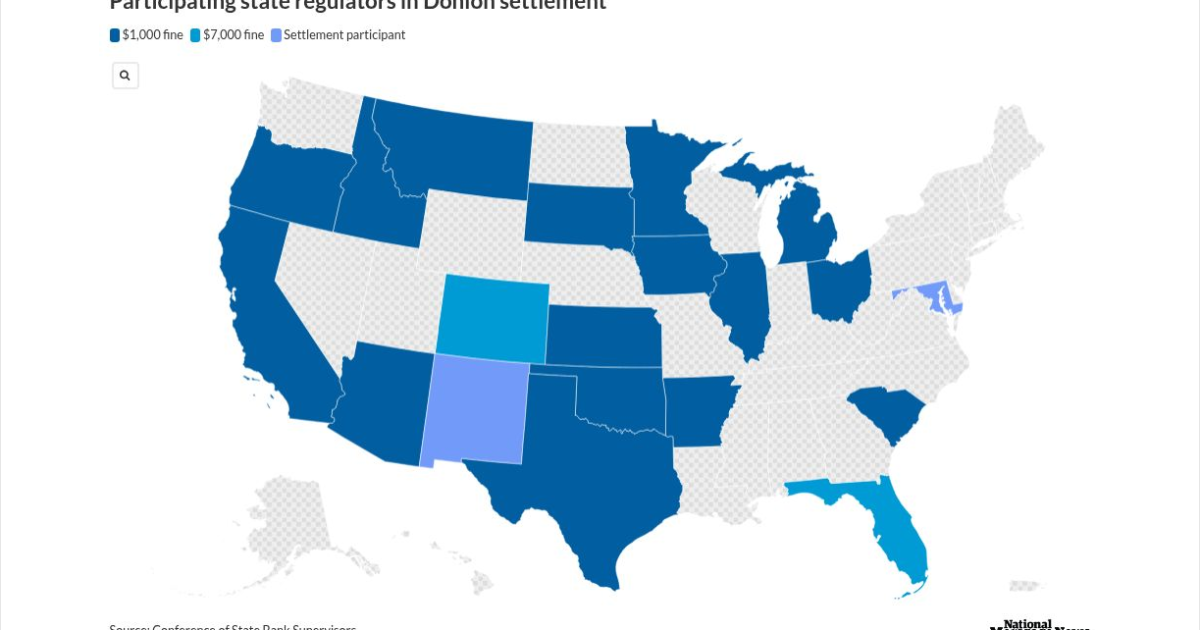
A multistate crackdown has sent shockwaves through the mortgage industry as Patrick Terrance Donlon, CEO of Trusted American Mortgage, accepted a sweeping settlement that bans him from working as a mortgage loan originator in 21 states—19 of them permanently. Regulators say Donlon had another individual complete his mandatory licensing and continuing‑education courses, a violation that triggered a coordinated investigation and a $31,000 penalty. The case underscores regulators’ growing intolerance for education fraud and serves as a sharp reminder to industry professionals: cutting corners on licensing can end careers.
Florida’s once‑booming housing market is cooling fast as rising insurance premiums, increasing foreclosures, and expanding flood zones push buyers to back out of deals and force sellers to cut prices. With insurance now adding thousands to annual housing costs, professionals across real estate, mortgage, and insurance are navigating a dramatically shifting landscape that’s redefining affordability in the Sunshine State.
Florida begins 2026 with a wave of more than 250 new laws now in effect, impacting healthcare, insurance, real estate, and consumer protections statewide. From free breast cancer screenings for state employees to tighter pet insurance regulations, mandatory healthcare refund rules, enhanced animal‑cruelty penalties, and new condo‑management requirements, these updates carry major implications for professionals navigating Florida’s evolving regulatory landscape.
Florida’s barrier islands may offer postcard-perfect beaches and soaring real estate demand, but they’re also some of the most fragile and costly places to build in the United States. With 765,000 residents living on land that shifts, sinks, and takes the brunt of every major hurricane, the financial and insurance risks are accelerating fast. From billion‑dollar beach rebuilds to towers settling into the sand, today’s coastal development challenges are reshaping conversations around property values, disclosure, and long‑term resilience. For real estate professionals, understanding these risks isn’t just smart — it’s becoming essential.
A Cedar City development is turning heads with its fresh approach to affordability. The team behind Temple View Commons is delivering luxury‑inspired twin homes at prices below the local median by using a small, hands‑on staff and cutting traditional costs like realtor commissions. In a tight Utah housing market where inventory is scarce and prices remain high, their strategy offers a realistic path to homeownership without sacrificing high‑end finishes.

 Title Insurance Leaders Double Down on Tech and Efficiency to Drive 2026 Market Momentum Gallery