Florida’s Property Tax Shake-Up: Big Ideas, Big Uncertainty as Session Nears Finale
A massive property tax overhaul is barreling through Tallahassee, and depending on who you ask, it’s either a historic breakthrough or a dramatic risk to Florida’s financial stability. As lawmakers enter the final stretch of the legislative session, the debate over how far to go — and how fast — has become one of the most closely watched political battles of the year.
The Florida House recently approved what some are calling the boldest property tax proposal in state history. But with the Senate signaling hesitation and Gov. Ron DeSantis floating his own ideas, the path forward is anything but clear.
The House’s Big Swing: Eliminating Most Property Taxes on Primary Homes
The House plan aims to eliminate all non-school property taxes for Floridians’ primary residences, pending voter approval on the 2026 ballot. Speaker Danny Perez admitted the road ahead may be rocky:
“What happens in the days ahead will decide if we will be here another three weeks or another three months,” he said during a pre-vote speech.
The effort was guided by Rep. Toby Overdorf, who acknowledged the pressure of the ticking legislative clock:
“So, we still have three weeks technically left in session, and we’ll see what happens with our partners across the rotunda.”
Senate President Ben Albritton made it clear the upper chamber isn’t ready to rubber-stamp the House’s plan. Instead, he says the Senate is working with the governor to craft a version with wider support.
“At the end of the day, what we’re looking for… is something to build consensus around,” Albritton noted.
Gov. DeSantis has publicly suggested going even further by eliminating homestead taxes entirely, though details are still sparse. In a CNBC appearance, he reaffirmed his push to get something on the 2026 ballot requiring 60% voter approval.
Democrats Sound the Alarm
Opposition has come loudest from Democrats who argue the proposals — especially the House version — could gut local budgets and force municipalities to rely more heavily on state funding.
House Minority Leader Fentrice Driskell warned the move could create “welfare counties” unable to support themselves. Senate Minority Leader Lori Berman echoed the concern, saying Democrats have seen “no concrete alternative” and that she opposes the House plan outright.
The Bigger Picture: A Legislature Under Pressure
Property taxes aren’t the only item on lawmakers’ plates. The session has been packed with debates over artificial intelligence rules, firearm legislation, rural infrastructure, and the looming state budget.
So far, only seven bills have made it to the governor’s desk — a sign of how much work remains and how tightly packed the final weeks will be.
Why This Matters for Florida’s Real Estate Professionals
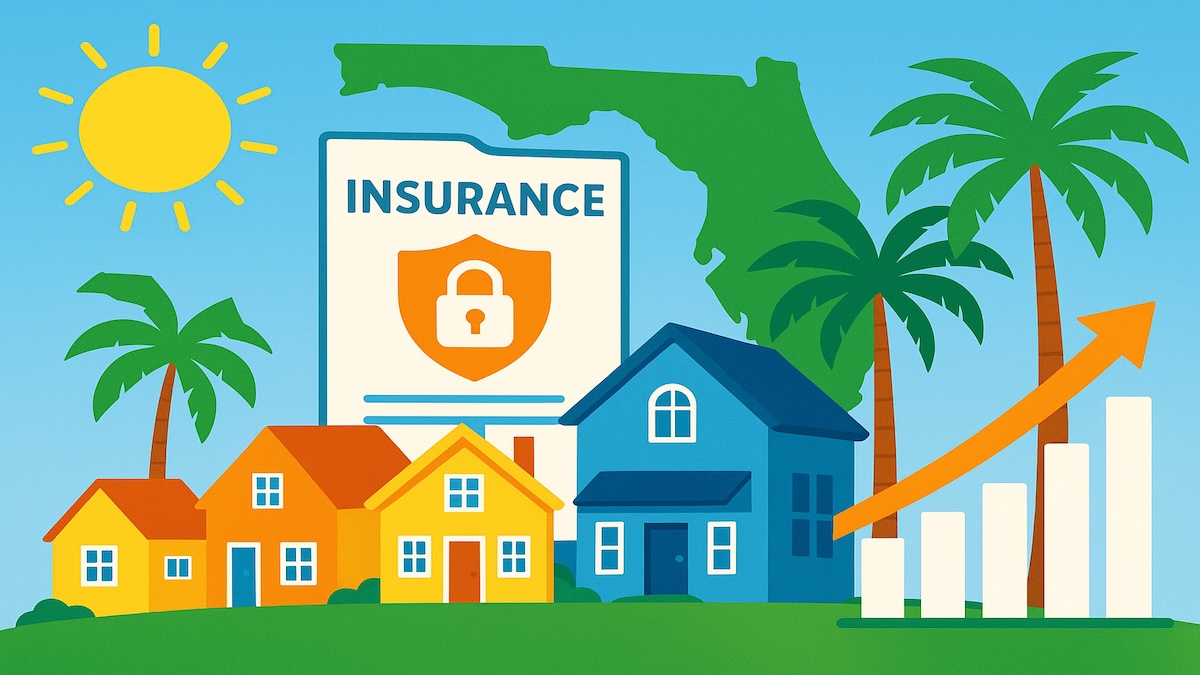
If non-school property taxes on primary residences disappear, the ripple effects would be enormous. Home values, buyer demand, local service funding, insurance markets — they all shift. Whether this ends in major tax relief or a long-term restructuring of Florida’s revenue system, real estate professionals must stay ahead of the curve.
At Cameron Academy, we keep Florida agents, brokers, appraisers, and mortgage professionals prepared for every shift in the market and every policy pivot that affects property ownership. Legislative moments like this are exactly why staying educated and license-ready matters.
Getting licensed or staying ahead in your career can be a journey—but it doesn’t have to be overwhelming. Grab your favorite coffee or tea, take a moment to relax, and browse through our articles. Whether you’re just starting out or renewing your expertise, we’ve got tips, insights, and advice to keep you moving forward. Here’s to your success—one sip and one step at a time!
President Trump recently suggested mortgage rates will drop “a lot lower” by early 2026, sparking industry-wide curiosity — but current economic data tells a more measured story. With today’s 30‑year fixed hovering near 6.25%, experts say meaningful declines remain possible, though not guaranteed, and would depend on softer inflation, weaker economic signals, or a shift in bond market behavior. While political comments created headlines, analysts emphasize that only market conditions — not rhetoric — can drive rates down. Independent forecasts already point toward mid‑5% rates by 2026, offering a potentially healthier landscape for buyers, agents, and mortgage professionals preparing for the next cycle.
Artificial intelligence has moved from a futuristic concept to a central force driving today’s mortgage industry. From smarter underwriting to enhanced borrower experiences and tighter compliance, AI is transforming every corner of mortgage lending. As expectations rise and competition accelerates, AI literacy is no longer optional — it’s a core skill every mortgage, real estate and finance professional must master to stay relevant and lead confidently.
Global commercial real estate is shifting away from short-term recovery cycles and entering a long-term transformation driven by technology, sustainability, demographic change, and evolving work‑life patterns. Capital is becoming more selective, favoring resilient assets and alternative lenders, while high‑demand sectors such as industrial, logistics, data infrastructure, and specialized residential continue to outperform. Geography, sustainability standards, and flexibility are emerging as defining forces for the next cycle, signaling major opportunities—and challenges—for real estate professionals preparing for the future.
Artificial intelligence has moved from hype to essential infrastructure in the real estate world. From smarter valuations and predictive analytics to automated lead generation and personalized property-matching tools, AI is transforming how agents, brokers, lenders, and managers operate. As top platforms like Zillow, Redfin, Opendoor, and dozens more integrate deep‑learning technology, professionals across real estate, mortgage, insurance, and finance are being pushed to adapt. The future belongs to those who embrace these tools — and use them to elevate speed, accuracy, and client experience.
Florida’s once‑troubled property insurance market has staged an impressive recovery after its near‑collapse in 2022. A new ALIRT Insurance Research report shows that legislative reforms, tighter underwriting and the arrival of new insurers have restored stability, reduced Citizens’ policy load and revived industry confidence. While risks remain, the rebound is reshaping housing affordability and creating fresh opportunities for real estate, mortgage and insurance professionals.
A new bill gaining momentum in Tallahassee would stop insurers from denying claims based solely on artificial intelligence. Championed by Rep. Hillary Cassell, the proposal aims to restore trust in Florida’s troubled insurance market by ensuring human oversight in decisions that affect homeowners, newcomers, and industry professionals. As debates intensify, experts warn AI is reshaping insurance faster than ever—making it critical for real estate, mortgage, and insurance professionals to understand the regulatory shifts ahead.