Florida’s Property Tax Shake-Up: Big Ideas, Big Uncertainty as Session Nears Finale
A massive property tax overhaul is barreling through Tallahassee, and depending on who you ask, it’s either a historic breakthrough or a dramatic risk to Florida’s financial stability. As lawmakers enter the final stretch of the legislative session, the debate over how far to go — and how fast — has become one of the most closely watched political battles of the year.
The Florida House recently approved what some are calling the boldest property tax proposal in state history. But with the Senate signaling hesitation and Gov. Ron DeSantis floating his own ideas, the path forward is anything but clear.
The House’s Big Swing: Eliminating Most Property Taxes on Primary Homes
The House plan aims to eliminate all non-school property taxes for Floridians’ primary residences, pending voter approval on the 2026 ballot. Speaker Danny Perez admitted the road ahead may be rocky:
“What happens in the days ahead will decide if we will be here another three weeks or another three months,” he said during a pre-vote speech.
The effort was guided by Rep. Toby Overdorf, who acknowledged the pressure of the ticking legislative clock:
“So, we still have three weeks technically left in session, and we’ll see what happens with our partners across the rotunda.”
Senate President Ben Albritton made it clear the upper chamber isn’t ready to rubber-stamp the House’s plan. Instead, he says the Senate is working with the governor to craft a version with wider support.
“At the end of the day, what we’re looking for… is something to build consensus around,” Albritton noted.
Gov. DeSantis has publicly suggested going even further by eliminating homestead taxes entirely, though details are still sparse. In a CNBC appearance, he reaffirmed his push to get something on the 2026 ballot requiring 60% voter approval.
Democrats Sound the Alarm
Opposition has come loudest from Democrats who argue the proposals — especially the House version — could gut local budgets and force municipalities to rely more heavily on state funding.
House Minority Leader Fentrice Driskell warned the move could create “welfare counties” unable to support themselves. Senate Minority Leader Lori Berman echoed the concern, saying Democrats have seen “no concrete alternative” and that she opposes the House plan outright.
The Bigger Picture: A Legislature Under Pressure
Property taxes aren’t the only item on lawmakers’ plates. The session has been packed with debates over artificial intelligence rules, firearm legislation, rural infrastructure, and the looming state budget.
So far, only seven bills have made it to the governor’s desk — a sign of how much work remains and how tightly packed the final weeks will be.
Why This Matters for Florida’s Real Estate Professionals
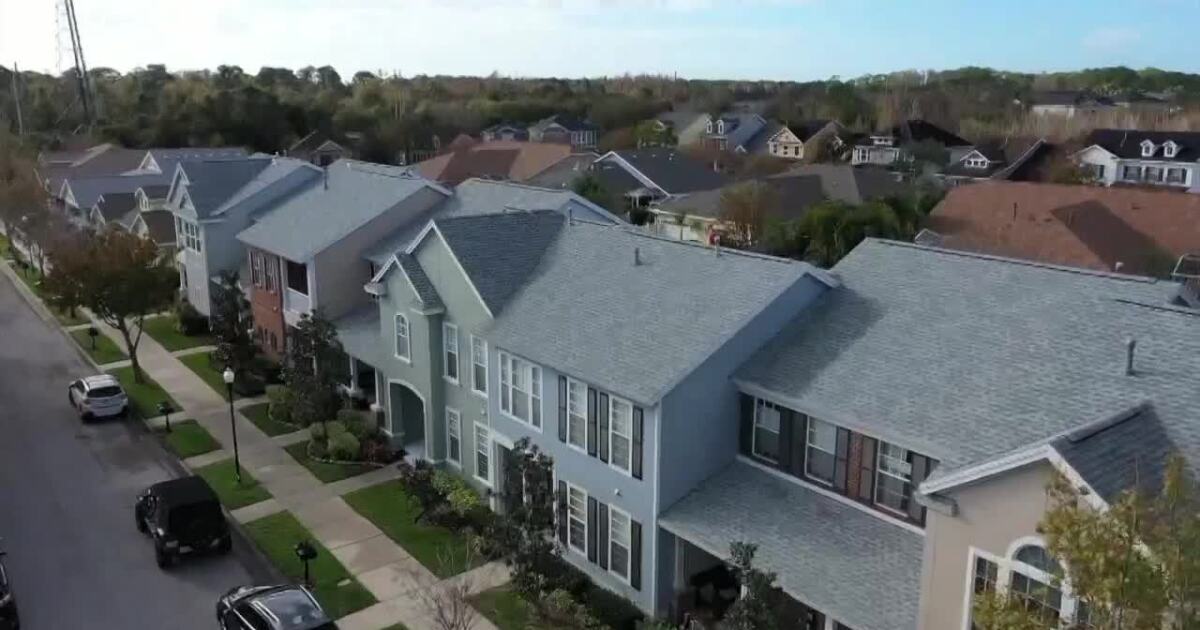
If non-school property taxes on primary residences disappear, the ripple effects would be enormous. Home values, buyer demand, local service funding, insurance markets — they all shift. Whether this ends in major tax relief or a long-term restructuring of Florida’s revenue system, real estate professionals must stay ahead of the curve.
At Cameron Academy, we keep Florida agents, brokers, appraisers, and mortgage professionals prepared for every shift in the market and every policy pivot that affects property ownership. Legislative moments like this are exactly why staying educated and license-ready matters.
Getting licensed or staying ahead in your career can be a journey—but it doesn’t have to be overwhelming. Grab your favorite coffee or tea, take a moment to relax, and browse through our articles. Whether you’re just starting out or renewing your expertise, we’ve got tips, insights, and advice to keep you moving forward. Here’s to your success—one sip and one step at a time!
The commercial real estate sector closed out 2025 with renewed stability, as the Real Estate Roundtable’s latest sentiment index shows rising confidence and improving market fundamentals. Executives report better access to capital, stronger performance in residential, retail, and hospitality, and early signs of recovery in the office market. With financing loosening and asset values climbing, the outlook for 2026 is increasingly optimistic, creating fresh opportunities for both seasoned professionals and newcomers preparing to enter the field.
The CFPB is proposing changes to how lenders evaluate “disparate impact” under the Equal Credit Opportunity Act, potentially tightening the scrutiny on credit decisions that unintentionally disadvantage protected groups. These updates could reshape underwriting models, lending criteria, and compliance requirements — ultimately influencing mortgage approvals, buyer qualifications, and day‑to‑day real estate activity.
Florida’s insurance crisis has become the defining issue heading into 2026, with Republicans touting recent market improvements while Democrats argue families are still being crushed by soaring premiums. From billion‑dollar auto insurance refunds to condo markets destabilized by post‑Surfside rate spikes, the state’s political divide is shaping the future of real estate, insurance, and affordability for millions.
October 2025 brought a wave of major regulatory updates across insurance, finance, and compliance. From stricter oversight on retail insurers and new FCA rules on ESG and travel insurance, to EIOPA’s EU‑wide consultations and refreshed corporate governance standards, regulators signaled higher expectations and faster change ahead. For professionals—and those pursuing licenses—these shifts directly impact risk management, product design, and consumer outcomes, making regulatory awareness a critical competitive advantage.
After nearly two years of sluggish activity, commercial real estate lending is finally accelerating—fast. New data from CBRE shows loan closings jumped 112% year‑over‑year in Q3 2025, reaching their highest level since 2018. With interest rates stabilizing and credit spreads tightening, investors are returning, banks are re‑entering the market, and multifamily financing is dominating once again. The long‑stalled deal flow is thawing, signaling renewed momentum heading into 2026.
Farmers Insurance is lifting its cap on new homeowner policies in California after two years of limiting growth, signaling a shift in the state’s strained insurance market. The expansion comes with a proposed 6.99 percent rate increase that still needs regulatory approval. Supporters call it a turning point driven by new wildfire‑risk rules, while consumer advocates warn the reforms contain loopholes and could lead to higher costs for homeowners.