Florida’s Property Tax Showdown: Why Eliminating Taxes Could Spike Home Prices Overnight
Florida property tax debate

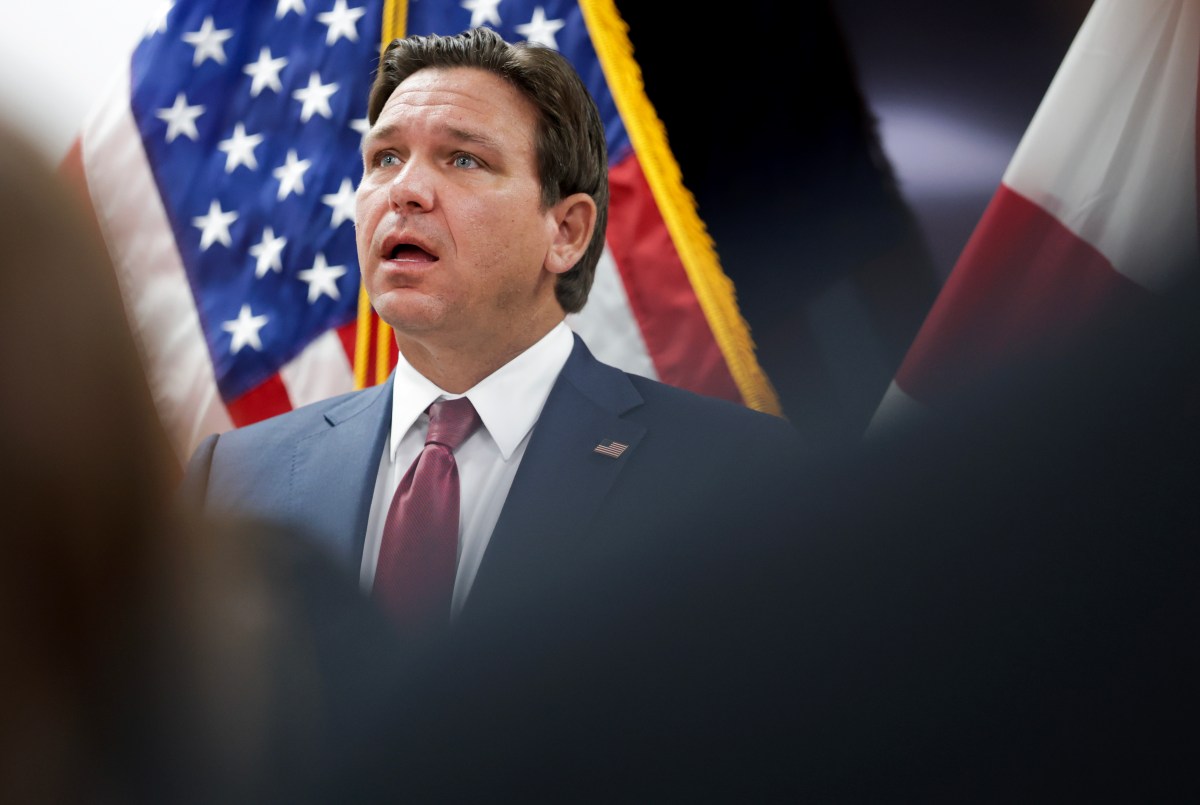
Florida’s housing market may be barreling toward one of the most high-stakes policy battles in state history. As Governor Ron DeSantis continues pushing a proposal to eliminate property taxes entirely, new research from Realtor.com suggests home prices could surge an immediate 7 to 9 percent if the measure were enacted.

That kind of jump—while appealing to current homeowners—would intensify an already fragile affordability landscape for future buyers.

Why This Matters for Florida Homeowners and Future Buyers

Like the rest of the country, Florida has been wrestling with steep housing costs driven by pandemic inflation, record property value increases, insurance spikes, and climbing mortgage rates. With home values soaring, property taxes followed suit—tightening budgets for millions of residents.

Removing property taxes may sound like a relief, but according to several economists, it could paradoxically make homeownership even harder for first-timers by fueling rapid price escalation.

The Push to Eliminate Property Taxes

Governor DeSantis has repeatedly described property taxes as oppressive, claiming homeowners shouldn’t feel like they’re paying “rent to the government.” His message—echoed across social platforms and public appearances—has ignited strong support among those struggling with tax burdens.

Yet analysts warn that Florida cannot simply erase property taxes without replacing the billions they generate annually. Dr. Esteban Leonardo Santis of the Florida Policy Institute told Newsweek that removing them would force the state to raise sales taxes or create entirely new revenue systems.

“Any of these proposals are cost shifts,” Santis said. “So the question right now is who is going to pay for it?”

What the Experts Are Saying

Realtor.com senior economist Joel Berner: “It would be a boon to existing property owners. But this measure would disproportionately benefit wealthy Floridians at the expense of those who don’t own homes.”

Real estate economist Ken Johnson went further, noting that while the proposal may appear sustainable during economic booms, a recession could quickly turn it catastrophic. With nearly 10 percent of Florida homes being vacation properties, a downturn could trigger selloffs—sending prices and revenue sinking simultaneously.

“A major U.S. recession could crash Florida housing and, at the same time, dry up the Florida budget,” Johnson warned.

What Happens Next?

Lawmakers seem reluctant to endorse a full repeal of property taxes, instead exploring targeted reductions. Among the proposals is a measure to remove tax from non-school homesteads, offering partial help without dismantling the system entirely.

Even former state senator Jeff Brandes criticized the governor’s plan, calling it more political slogan than practical policy.

To eliminate property taxes statewide, voters would need to approve a constitutional amendment requiring a 60 percent majority—a formidable obstacle.

What This Means for Real Estate Professionals

For agents, investors, and aspiring professionals, the implications are enormous. A sudden 7–9 percent increase in prices would reshape negotiations, evaluation strategies, and market entry points overnight.

If you’re preparing for a real estate career—or growing your licensing portfolio—staying ahead of legislation like this is essential. Cameron Academy remains committed to helping new and seasoned professionals stay informed through flexible licensing programs, continuing education, and up-to-the-minute industry insights.


Source Acknowledgments

Information for this article was sourced from Newsweek and Realtor.com. Explore their full reports below:

Read the original Newsweek article

Read the Realtor.com analysis

More Articles

Getting licensed or staying ahead in your career can be a journey—but it doesn’t have to be overwhelming. Grab your favorite coffee or tea, take a moment to relax, and browse through our articles. Whether you’re just starting out or renewing your expertise, we’ve got tips, insights, and advice to keep you moving forward. Here’s to your success—one sip and one step at a time!

FinCEN’s Nationwide AML Rule Reshapes Title and Real Estate Compliance for 2025–2026

The title and real estate industries are entering their most dramatic compliance overhaul in decades. FinCEN’s new anti‑money‑laundering rule now applies to every state, enforces a first‑dollar reporting requirement, and places full responsibility on settlement agents. With the rule already in effect and mandatory reporting beginning March 1, 2026, professionals face urgent operational changes involving software, training, and entity‑buyer disclosures. Combined with state‑level rate shifts and heightened scrutiny of attorney opinion letters, 2025 marks a turning point that demands stronger compliance literacy across the entire real estate and finance ecosystem.

7 Retirement Trends Shaping 2026: What Professionals Should Know

Retirement planning went through major changes in 2025, from new SECURE Act updates to shifting investment behaviors. As we move into 2026, seven key trends are reshaping how Americans save and build long‑term wealth. These shifts matter not only for everyday investors but also for professionals across real estate, finance, mortgage, insurance, and other licensed fields. Understanding these developments can help you strengthen your own financial strategy while staying competitive in your career.

Florida’s Real Estate Cooldown: Insurance Costs Are Now the Biggest Dealbreaker

Florida’s housing market is cooling faster than any other state, and soaring insurance premiums are the primary force driving buyers away. With cancellation rates in major metros topping 20%, steep price drops across Southwest Florida, rising HOA and condo fees, and thousands of homes added to new flood zones, many buyers are discovering that insurance—not the mortgage—is what kills the deal. As Citizens shrinks and new legislation raises coverage requirements, professionals in real estate, mortgage, and insurance must adapt quickly to a market where affordability hinges on risk, regulation, and rising premiums.

Commercial Real Estate in 2026 Shows Signs of Stabilization and Strategic Growth

Commercial real estate is entering 2026 with renewed optimism as pricing floors, revitalized capital markets, and improved market visibility signal a shift away from the volatility of 2025. Analysts from Deloitte, Colliers, Cushman & Wakefield, and CoStar highlight firmer fundamentals, rising deal flow, and increased lender participation. Key sectors such as office, industrial, retail, multifamily, and data centers are showing distinct recovery patterns, positioning industry professionals and students for new opportunities in the year ahead.

Why Florida Insurance Rates Are Falling but Premiums Keep Climbing

Florida’s property insurance market is finally stabilizing after years of storms, lawsuits, and rising rates — yet many homeowners are still seeing higher bills. The reason isn’t the rates themselves but soaring replacement values driven by inflation in labor and building materials. Even as insurers lower rates, the cost to rebuild a home continues to rise, making up roughly 75% of recent premium increases. With new insurers entering the market and reforms taking effect, homeowners now have more options to shop, recalculate coverage, and control their costs.

Why Microcredentials Will Dominate 2026 Hiring — And How Professionals Can Stay Ahead

The 2026 job market is shifting fast, and the biggest winners will be professionals who can prove they’re continuously learning. With more than 90% of employers now preferring candidates with microcredentials, short targeted certificates are becoming the new career currency. From AI and data skills to modern communication and adaptability, microcredentials are helping workers stand out in a competitive landscape — especially as industries like real estate, mortgage, insurance, and finance demand ongoing upskilling.