Florida’s Real Estate Cooldown: When Insurance Becomes the Hottest Part of the Deal
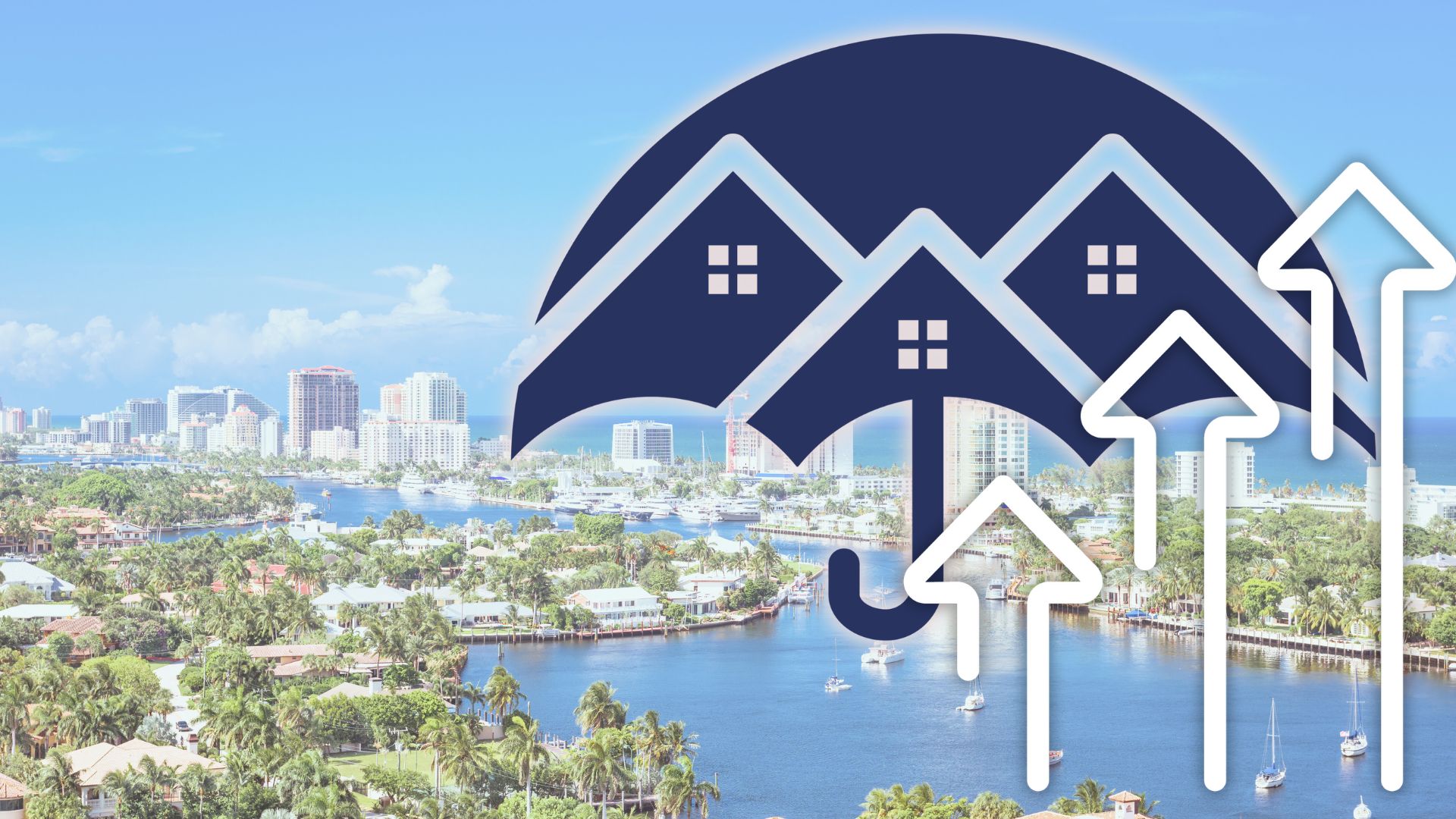
Florida’s housing market is cooling faster than anywhere else in the country—and insurance costs are pouring gasoline on the fire. According to
Live Insurance News, more Florida buyers are walking away from deals at the closing table as rising premiums, stricter requirements, and new flood‑zone designations make homeownership far more expensive than expected.
Pending Sales Are Falling Through Fast
Nationwide, 15.1% of home-purchase agreements fell apart in October. Florida’s major metros were even worse:
Why are buyers backing out? Because the monthly payments aren’t the shock—the insurance quotes are.
Home Prices Are Dropping—Fast
Major year-over-year price declines include:
• Cape Coral: down 7.1% (and 20% lower than 3 years ago)
• Naples: down 6.7%
• Punta Gorda: down 6.2%
• North Port: down 5.1%
This price correction comes alongside rising inventories and growing foreclosure activity—especially in Cape Coral, now ranked among the top three metros for foreclosure rates.
Insurance: Florida’s New Dealbreaker
Florida homeowners pay over $3,000 more per year than the national average. Miami-Dade condo owners average $2,300 annually—before flood insurance. Add those premiums, and buyers often reconsider whether their dream home still makes sense.
HOA and Condo Fees Are Climbing
Insurance is forcing associations to raise fees—sometimes doubling in five years. For many buyers, the HOA estimate is what finally kills the deal, not the list price.
Flood Zones Are Expanding
FEMA’s updated maps are placing thousands of additional Florida homes into flood zones, adding $600–$2,000 a year in required coverage. Even inland properties are being reclassified due to new drainage and surge‑pattern analysis.
Citizens Insurance Is Shrinking—And Cutting Rates
For the first time in over a decade, Citizens is recommending rate cuts. Its aggressive depopulation program has moved nearly 900,000 policies back to private insurers since 2023. Still, Florida remains the most expensive insurance market in the country.
Legislation Is Raising Costs, Not Lowering Them
New laws like HB 913 require condo associations to carry higher levels of insurance and maintain stronger reserves. Good for safety—expensive for homeowners.
Florida is still Florida—sunshine, lifestyle, beaches, and booming metros. But affordability is the new gatekeeper. Whether the market continues cooling or rebounds depends heavily on insurance stability.
For Professionals: This Is Your Moment
Understanding shifting markets and insurance dynamics is becoming essential for real estate, mortgage, and insurance professionals. If you’re building or expanding your career, education matters more than ever.
Cameron Academy offers licensing and continuing education across real estate, insurance, mortgage, and more—helping professionals stay ahead in a rapidly changing market.
Getting licensed or staying ahead in your career can be a journey—but it doesn’t have to be overwhelming. Grab your favorite coffee or tea, take a moment to relax, and browse through our articles. Whether you’re just starting out or renewing your expertise, we’ve got tips, insights, and advice to keep you moving forward. Here’s to your success—one sip and one step at a time!
Florida’s insurance market is under intense pressure as millions of residents and trillions in property wealth cluster along hurricane‑vulnerable coastlines. This article breaks down how decades of growth in high‑risk zones created today’s crisis, why traditional pricing models can’t keep up, and what real estate and insurance professionals must do to stay ahead. It offers actionable insights on underwriting, risk communication, policy partnerships, and resilience planning—critical knowledge for anyone advising Florida homeowners or navigating the state’s evolving insurance landscape.
Florida’s homeowners insurance market may have stabilized, but not in the way residents hoped. After years of runaway increases, premiums have stopped spiking—but they’re holding at painfully high levels. Coastal properties remain the hardest hit, with some policies topping $15,000 a year, while insurers continue demanding costly upgrades and resisting calls for transparency. For real estate professionals, understanding these pricing pressures is becoming essential as insurance costs increasingly shape buyer decisions across the state.
Florida homeowners face soaring premiums, shrinking insurer options, and storms that grow stronger each year. This article breaks down what hurricane insurance actually covers, how deductibles really work, why flood insurance is essential, and what professionals in real estate, mortgage, and insurance must understand to protect clients and properties before the next major storm hits.
Teresa King Kinney, one of the most influential executives in modern real estate, is retiring after 33 years as CEO of the MIAMI Association of Realtors. Under her leadership, the organization grew from 5,000 members to 60,000, became a global real estate powerhouse, and built the nation’s largest association‑owned MLS. As she transitions into CEO Emeritus, MIAMI prepares for a new era shaped by the foundation she spent decades building.
Miami’s commercial property market is heating up again, posting an 11% jump in investment volume for 2025. The surge is driven largely by a revitalized retail sector fueled by population growth, strong tourism, and new mixed‑use development. While office and industrial activity remains steady but softer, investor confidence is returning as Miami’s CRE landscape matures and buyers re‑enter the market with renewed interest in high‑traffic retail opportunities.
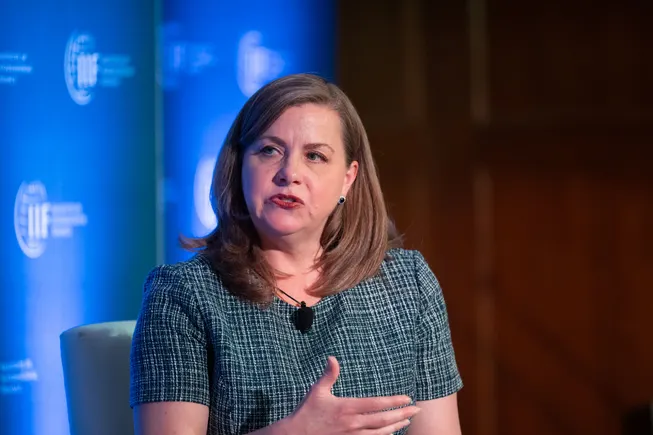
The Federal Reserve is preparing major changes to mortgage regulations in an effort to pull more mortgage activity back into the banking sector. With banks losing significant market share to nonbank lenders over the past decade, Fed Vice Chair for Supervision Michelle Bowman says new proposals may ease capital requirements and make mortgage servicing more attractive for banks. These shifts could have wide‑ranging effects on real estate professionals, lenders, and borrowers as the balance of power in the mortgage market begins to shift once again.