Florida’s Real Estate Cooldown: When Insurance Becomes the Hottest Part of the Deal
Florida’s housing market is cooling faster than anywhere else in the country—and insurance costs are pouring gasoline on the fire. According to
Live Insurance News, more Florida buyers are walking away from deals at the closing table as rising premiums, stricter requirements, and new flood‑zone designations make homeownership far more expensive than expected.
Pending Sales Are Falling Through Fast
Nationwide, 15.1% of home-purchase agreements fell apart in October. Florida’s major metros were even worse:
Why are buyers backing out? Because the monthly payments aren’t the shock—the insurance quotes are.
Home Prices Are Dropping—Fast
Major year-over-year price declines include:
• Cape Coral: down 7.1% (and 20% lower than 3 years ago)
• Naples: down 6.7%
• Punta Gorda: down 6.2%
• North Port: down 5.1%
This price correction comes alongside rising inventories and growing foreclosure activity—especially in Cape Coral, now ranked among the top three metros for foreclosure rates.
Insurance: Florida’s New Dealbreaker
Florida homeowners pay over $3,000 more per year than the national average. Miami-Dade condo owners average $2,300 annually—before flood insurance. Add those premiums, and buyers often reconsider whether their dream home still makes sense.
HOA and Condo Fees Are Climbing
Insurance is forcing associations to raise fees—sometimes doubling in five years. For many buyers, the HOA estimate is what finally kills the deal, not the list price.
Flood Zones Are Expanding
FEMA’s updated maps are placing thousands of additional Florida homes into flood zones, adding $600–$2,000 a year in required coverage. Even inland properties are being reclassified due to new drainage and surge‑pattern analysis.
Citizens Insurance Is Shrinking—And Cutting Rates
For the first time in over a decade, Citizens is recommending rate cuts. Its aggressive depopulation program has moved nearly 900,000 policies back to private insurers since 2023. Still, Florida remains the most expensive insurance market in the country.
Legislation Is Raising Costs, Not Lowering Them
New laws like HB 913 require condo associations to carry higher levels of insurance and maintain stronger reserves. Good for safety—expensive for homeowners.
Florida is still Florida—sunshine, lifestyle, beaches, and booming metros. But affordability is the new gatekeeper. Whether the market continues cooling or rebounds depends heavily on insurance stability.
For Professionals: This Is Your Moment
Understanding shifting markets and insurance dynamics is becoming essential for real estate, mortgage, and insurance professionals. If you’re building or expanding your career, education matters more than ever.
Cameron Academy offers licensing and continuing education across real estate, insurance, mortgage, and more—helping professionals stay ahead in a rapidly changing market.
Getting licensed or staying ahead in your career can be a journey—but it doesn’t have to be overwhelming. Grab your favorite coffee or tea, take a moment to relax, and browse through our articles. Whether you’re just starting out or renewing your expertise, we’ve got tips, insights, and advice to keep you moving forward. Here’s to your success—one sip and one step at a time!
By 2022, the average cost had skyrocketed to $1.19 million. That’s, like, a 28% increase in just three years! But as with all wild parties, there was an inevitable hangover.
"And let’s not forget this might be the start of a multi-platform domino effect. If TikTok is toast, Instagram Reels, YouTube Shorts, or bizarre TikTok lookalikes (looking at you, Lemon8) are poised to swoop in and capitalize."
Sutter Health is pioneering a transformative approach in critical care by introducing the FloPatch, a novel wearable device aimed at enhancing clinical decision-making. This initiative focuses on improving sepsis management within intensive care units (ICUs), leveraging real-time data to support critical treatment decisions.
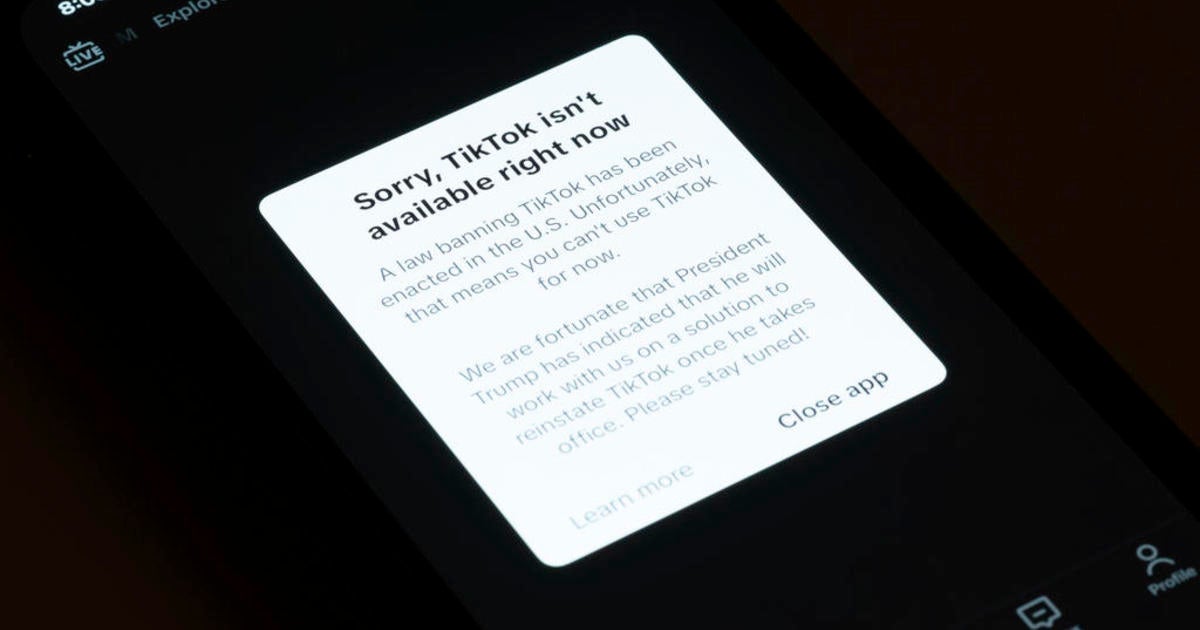
TikTok, the immensely popular social media app, is now banned in the United States following a Supreme Court ruling that mandated the app to sever ties with its China-based parent company, ByteDance, or face a ban.
AI is poised to revolutionize the diagnostic process, enabling more accurate and faster diagnoses than ever before. Traditional methods, which rely heavily on manual interpretations of medical images, often suffer from delays and errors. In contrast, AI-driven diagnostic tools can swiftly analyze vast amounts of medical data, including X-rays, MRIs, and CT scans, with remarkable precision. This technology is already being leveraged for the early detection of diseases such as cancer and diabetic retinopathy, making diagnostics more efficient and accessible than ever.