Florida’s Real Estate Cooldown: When Insurance Becomes the Hottest Part of the Deal
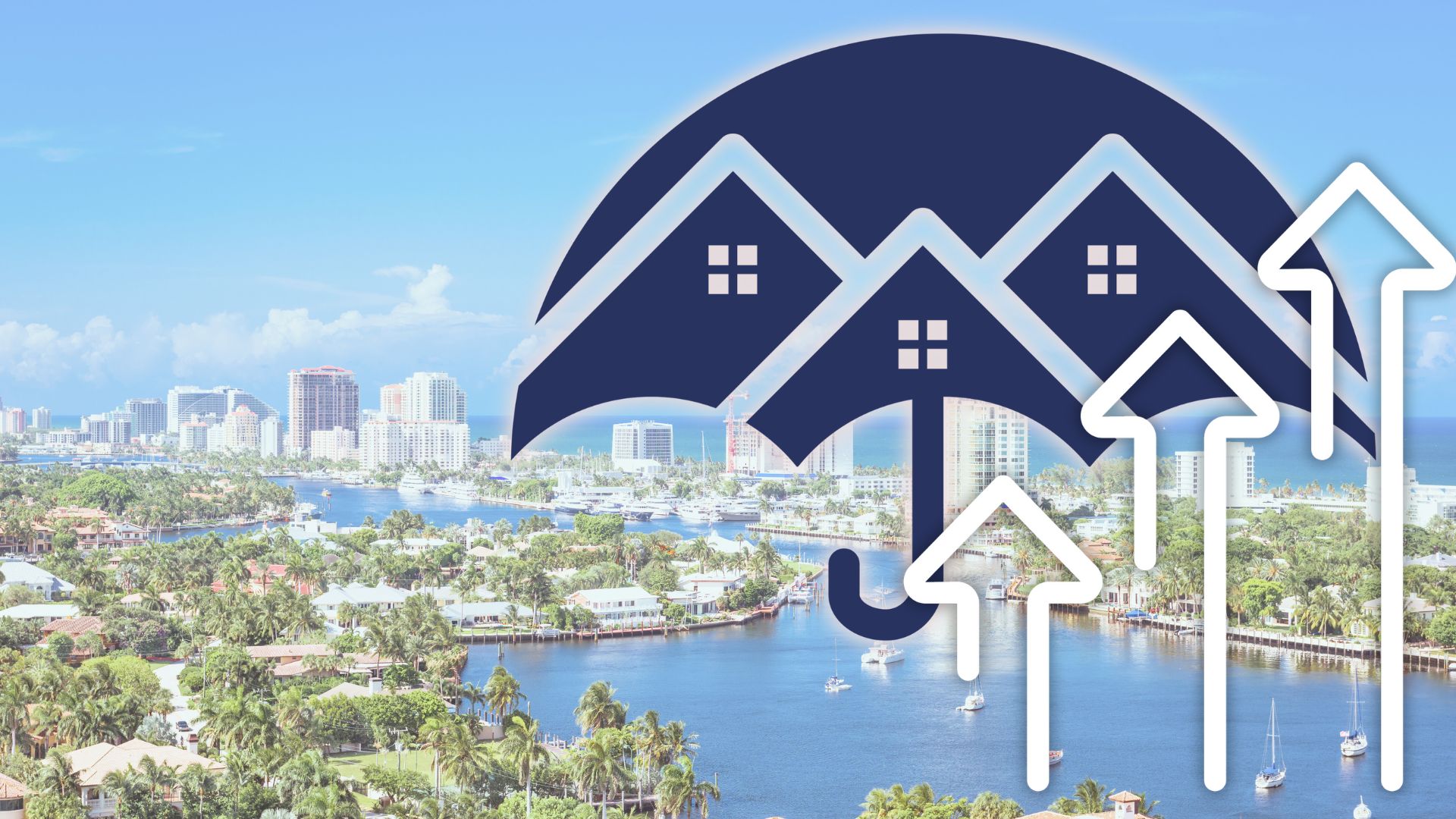
Florida’s housing market is cooling faster than anywhere else in the country—and insurance costs are pouring gasoline on the fire. According to
Live Insurance News, more Florida buyers are walking away from deals at the closing table as rising premiums, stricter requirements, and new flood‑zone designations make homeownership far more expensive than expected.
Pending Sales Are Falling Through Fast
Nationwide, 15.1% of home-purchase agreements fell apart in October. Florida’s major metros were even worse:
Why are buyers backing out? Because the monthly payments aren’t the shock—the insurance quotes are.
Home Prices Are Dropping—Fast
Major year-over-year price declines include:
• Cape Coral: down 7.1% (and 20% lower than 3 years ago)
• Naples: down 6.7%
• Punta Gorda: down 6.2%
• North Port: down 5.1%
This price correction comes alongside rising inventories and growing foreclosure activity—especially in Cape Coral, now ranked among the top three metros for foreclosure rates.
Insurance: Florida’s New Dealbreaker
Florida homeowners pay over $3,000 more per year than the national average. Miami-Dade condo owners average $2,300 annually—before flood insurance. Add those premiums, and buyers often reconsider whether their dream home still makes sense.
HOA and Condo Fees Are Climbing
Insurance is forcing associations to raise fees—sometimes doubling in five years. For many buyers, the HOA estimate is what finally kills the deal, not the list price.
Flood Zones Are Expanding
FEMA’s updated maps are placing thousands of additional Florida homes into flood zones, adding $600–$2,000 a year in required coverage. Even inland properties are being reclassified due to new drainage and surge‑pattern analysis.
Citizens Insurance Is Shrinking—And Cutting Rates
For the first time in over a decade, Citizens is recommending rate cuts. Its aggressive depopulation program has moved nearly 900,000 policies back to private insurers since 2023. Still, Florida remains the most expensive insurance market in the country.
Legislation Is Raising Costs, Not Lowering Them
New laws like HB 913 require condo associations to carry higher levels of insurance and maintain stronger reserves. Good for safety—expensive for homeowners.
Florida is still Florida—sunshine, lifestyle, beaches, and booming metros. But affordability is the new gatekeeper. Whether the market continues cooling or rebounds depends heavily on insurance stability.
For Professionals: This Is Your Moment
Understanding shifting markets and insurance dynamics is becoming essential for real estate, mortgage, and insurance professionals. If you’re building or expanding your career, education matters more than ever.
Cameron Academy offers licensing and continuing education across real estate, insurance, mortgage, and more—helping professionals stay ahead in a rapidly changing market.
Getting licensed or staying ahead in your career can be a journey—but it doesn’t have to be overwhelming. Grab your favorite coffee or tea, take a moment to relax, and browse through our articles. Whether you’re just starting out or renewing your expertise, we’ve got tips, insights, and advice to keep you moving forward. Here’s to your success—one sip and one step at a time!
The greenhouse industry is entering 2026 with a complex wave of overlapping risks — from rising insurance costs and extreme weather to cyber threats, labor shortages, and unstable supply chains. These challenges aren’t isolated; they compound one another, increasing pressure on growers and business owners alike. Insights from industry experts reveal the key trends shaping risk management in the year ahead and what operators must do now to stay resilient.
New FDIC reporting rules are changing how banks classify and disclose commercial real estate loans, replacing the old Troubled Debt Restructuring label with clearer “financial difficulty” modifications and expanding transparency across structured products and capital requirements. These updates may briefly tighten lending but ultimately promise stronger liquidity, cleaner risk data, and more predictable CRE financing as banks adapt.
Artificial intelligence is no longer an upcoming trend—it's already reshaping how real estate professionals work, compete, and win. With the AI real estate sector set to surge from $222B in 2024 to nearly $1T by 2029, the industry is undergoing a rapid transformation in valuations, virtual tours, listings, investment analysis, and client management. Agents and investors who embrace AI tools are gaining unprecedented efficiency and insight, while those who resist risk falling behind.
The Federal Housing Finance Agency is weighing the idea of 50‑year mortgages, a move that could make monthly payments more affordable but dramatically increase total interest costs. Supporters say it may help young professionals break into the housing market, while critics warn it could trap families in half a century of debt. As the industry debates this controversial loan option, real estate and mortgage professionals must stay informed to guide clients through the shifting landscape.
December is shaping up to be another unpredictable month for mortgage rates. With the Federal Reserve signaling mixed messages, key economic reports running behind schedule, and lenders already looking ahead to 2026, rates could face upward pressure. Experts from Fannie Mae and the MBA project an average 30‑year rate around 6.3% for late 2025, suggesting a potential December bump. For real estate and mortgage professionals, understanding this volatility isn’t just helpful — it’s a competitive edge.
Sellers are cutting prices at record levels, delistings are surging to highs not seen since 2017, and buyers remain hesitant despite slightly lower mortgage rates. With affordability still strained and new construction slowing, the 2025 housing market is entering a deeper‑than‑usual winter slowdown marked by caution on all sides.