Florida’s Real Estate Cooldown: When Insurance Becomes the Hottest Part of the Deal
Florida’s housing market is cooling faster than anywhere else in the country—and insurance costs are pouring gasoline on the fire. According to
Live Insurance News, more Florida buyers are walking away from deals at the closing table as rising premiums, stricter requirements, and new flood‑zone designations make homeownership far more expensive than expected.
Pending Sales Are Falling Through Fast
Nationwide, 15.1% of home-purchase agreements fell apart in October. Florida’s major metros were even worse:
Why are buyers backing out? Because the monthly payments aren’t the shock—the insurance quotes are.
Home Prices Are Dropping—Fast
Major year-over-year price declines include:
• Cape Coral: down 7.1% (and 20% lower than 3 years ago)
• Naples: down 6.7%
• Punta Gorda: down 6.2%
• North Port: down 5.1%
This price correction comes alongside rising inventories and growing foreclosure activity—especially in Cape Coral, now ranked among the top three metros for foreclosure rates.
Insurance: Florida’s New Dealbreaker
Florida homeowners pay over $3,000 more per year than the national average. Miami-Dade condo owners average $2,300 annually—before flood insurance. Add those premiums, and buyers often reconsider whether their dream home still makes sense.
HOA and Condo Fees Are Climbing
Insurance is forcing associations to raise fees—sometimes doubling in five years. For many buyers, the HOA estimate is what finally kills the deal, not the list price.
Flood Zones Are Expanding
FEMA’s updated maps are placing thousands of additional Florida homes into flood zones, adding $600–$2,000 a year in required coverage. Even inland properties are being reclassified due to new drainage and surge‑pattern analysis.
Citizens Insurance Is Shrinking—And Cutting Rates
For the first time in over a decade, Citizens is recommending rate cuts. Its aggressive depopulation program has moved nearly 900,000 policies back to private insurers since 2023. Still, Florida remains the most expensive insurance market in the country.
Legislation Is Raising Costs, Not Lowering Them
New laws like HB 913 require condo associations to carry higher levels of insurance and maintain stronger reserves. Good for safety—expensive for homeowners.
Florida is still Florida—sunshine, lifestyle, beaches, and booming metros. But affordability is the new gatekeeper. Whether the market continues cooling or rebounds depends heavily on insurance stability.
For Professionals: This Is Your Moment
Understanding shifting markets and insurance dynamics is becoming essential for real estate, mortgage, and insurance professionals. If you’re building or expanding your career, education matters more than ever.
Cameron Academy offers licensing and continuing education across real estate, insurance, mortgage, and more—helping professionals stay ahead in a rapidly changing market.
Getting licensed or staying ahead in your career can be a journey—but it doesn’t have to be overwhelming. Grab your favorite coffee or tea, take a moment to relax, and browse through our articles. Whether you’re just starting out or renewing your expertise, we’ve got tips, insights, and advice to keep you moving forward. Here’s to your success—one sip and one step at a time!
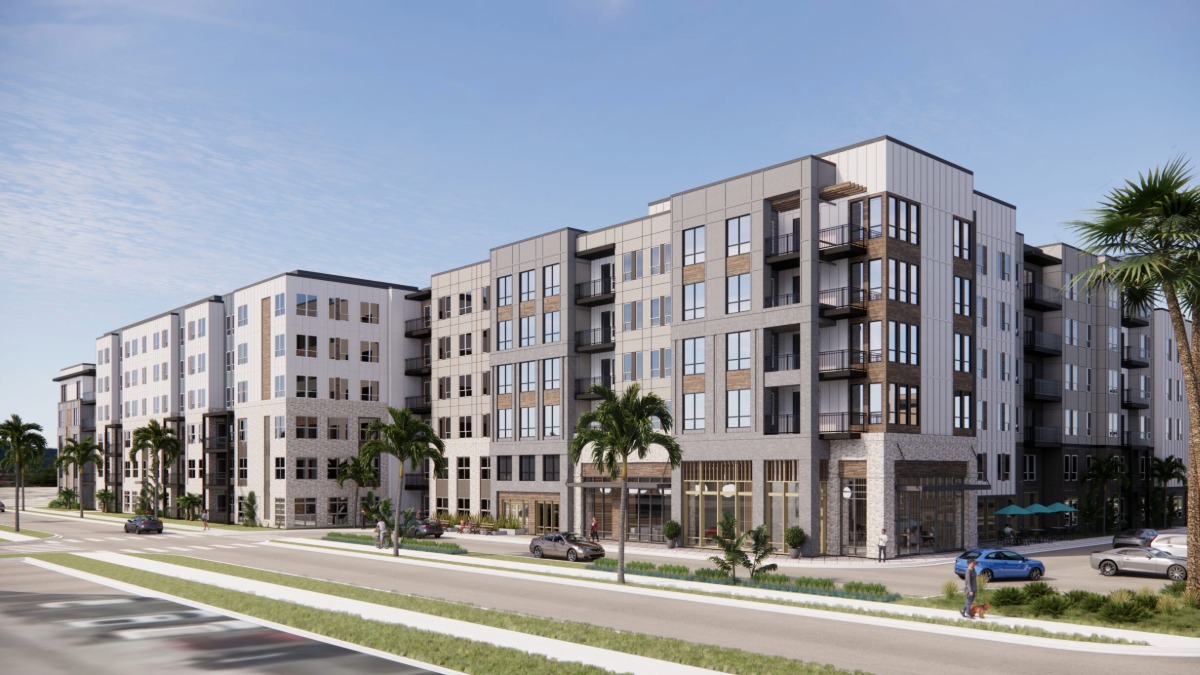
Landmark Properties has officially begun construction on The Mark Tampa, a six‑story luxury student community featuring over 800 beds, rooftop amenities, study spaces, retail, and modern unit layouts. Set to open before the 2027–2028 school year, the project signals strong investor confidence in North Tampa’s booming student housing market.
Florida’s property and auto insurance crisis is intensifying, setting the stage for a major political showdown ahead of the 2026 elections. Republicans argue recent reforms are finally stabilizing the market, while Democrats insist families are being crushed by soaring premiums and can’t wait for relief. With homeowners, condo associations, and insurers all feeling the pressure, lawmakers are preparing for one of the most consequential legislative battles in years.
Markets are betting heavily on a Federal Reserve rate cut in December, but that doesn’t guarantee lower mortgage rates. Even with an 85% chance of a cut priced in, mortgage rates move more with the 10‑year Treasury than the Fed itself — and recent history shows rates can rise even when the Fed eases. Today’s 6.43% average rate is the lowest in over a year, but still unpredictable, making financial readiness more important than trying to time the market.
Grand Junction is experiencing a powerful commercial real estate upswing, with 151 commercial units closed so far in 2025—a 36% jump from last year. Building permits are also up 23%, signaling expanding development momentum. Brokers say interest from national chains is accelerating the city’s evolution, bringing jobs, investment, and long‑term economic potential to Colorado’s Western Slope.
Nashville continues its rise as one of the nation’s most attractive real estate markets, landing the #6 spot in the Emerging Trends in Real Estate 2026 report from PwC and ULI. With strong demographic momentum, business expansion, and a development pipeline drawing national eyes, the city stands out amid shifting economic conditions. The report highlights fast‑growing sectors such as data centers, senior housing, and evolving office dynamics—offering real estate professionals valuable insight into where opportunities are emerging next.
Canada’s commercial real estate sector continues to evolve rapidly, with new data revealing major transactions, shifting investment patterns, and emerging economic signals across the country. From resilient retail spending to cooling construction and regional standouts like Montreal and the Prairies, this week’s CRE pulse—powered by Altus Group’s research team—gives real estate, mortgage, and finance professionals a sharp snapshot of the market forces to watch as 2025 winds down.