As Florida braces for the impact of Hurricane Milton, the state’s real-estate market finds itself in a precarious position. This powerful Category 4 storm, following closely after Hurricane Helene, threatens to exacerbate an already volatile situation. With peak winds reaching 160 mph, Milton is expected to make landfall near Tampa Bay, bringing heavy rain and significant flood risks.
Governor Ron DeSantis has declared a state of emergency across 51 counties, prompting mandatory evacuations. Tampa Mayor Jane Castor issued a stark warning, emphasizing that remaining in the city could be fatal as the storm approaches. The aftermath of Hurricane Helene, which resulted in over 220 deaths and $34 billion in damage, has left the state reeling. The combination of natural disasters has residents reconsidering their future in a state prone to such climate threats.
The financial burden on Florida homeowners is mounting. High insurance premiums are a significant concern, with one homeowner paying $7,000 annually for flood and hazard insurance. Despite these challenges, the allure of Florida’s extensive coastline continues to attract interest. However, insurers are increasingly withdrawing from the market, with potential rate hikes of over 300% on the horizon.
The situation is reflective of broader challenges in the real-estate market. Once a sought-after location, Florida’s appeal has waned due to the fallout from COVID-19 and changing climate conditions. This shift is evident as hurricane-damaged properties see price cuts, sparking investor interest. Yet, the desire to leave Florida is counterbalanced by the ongoing attraction of its coastline.
Meanwhile, states like Texas are facing similar real-estate issues, highlighting a broader trend across the nation. The Sunshine State, with its blend of beauty and adversity, remains a focal point in the evolving landscape of American real estate.
For more insights, read the original article on Business Insider.
More Articles
Getting licensed or staying ahead in your career can be a journey—but it doesn’t have to be overwhelming. Grab your favorite coffee or tea, take a moment to relax, and browse through our articles. Whether you’re just starting out or renewing your expertise, we’ve got tips, insights, and advice to keep you moving forward. Here’s to your success—one sip and one step at a time!
"AI and machine learning are emerging as powerful technologies to address this issue, improving the accuracy of medical diagnosis and revolutionizing healthcare with their myriad applications."
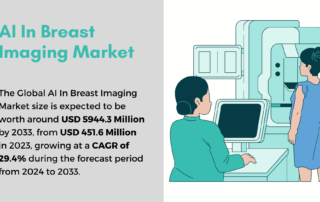
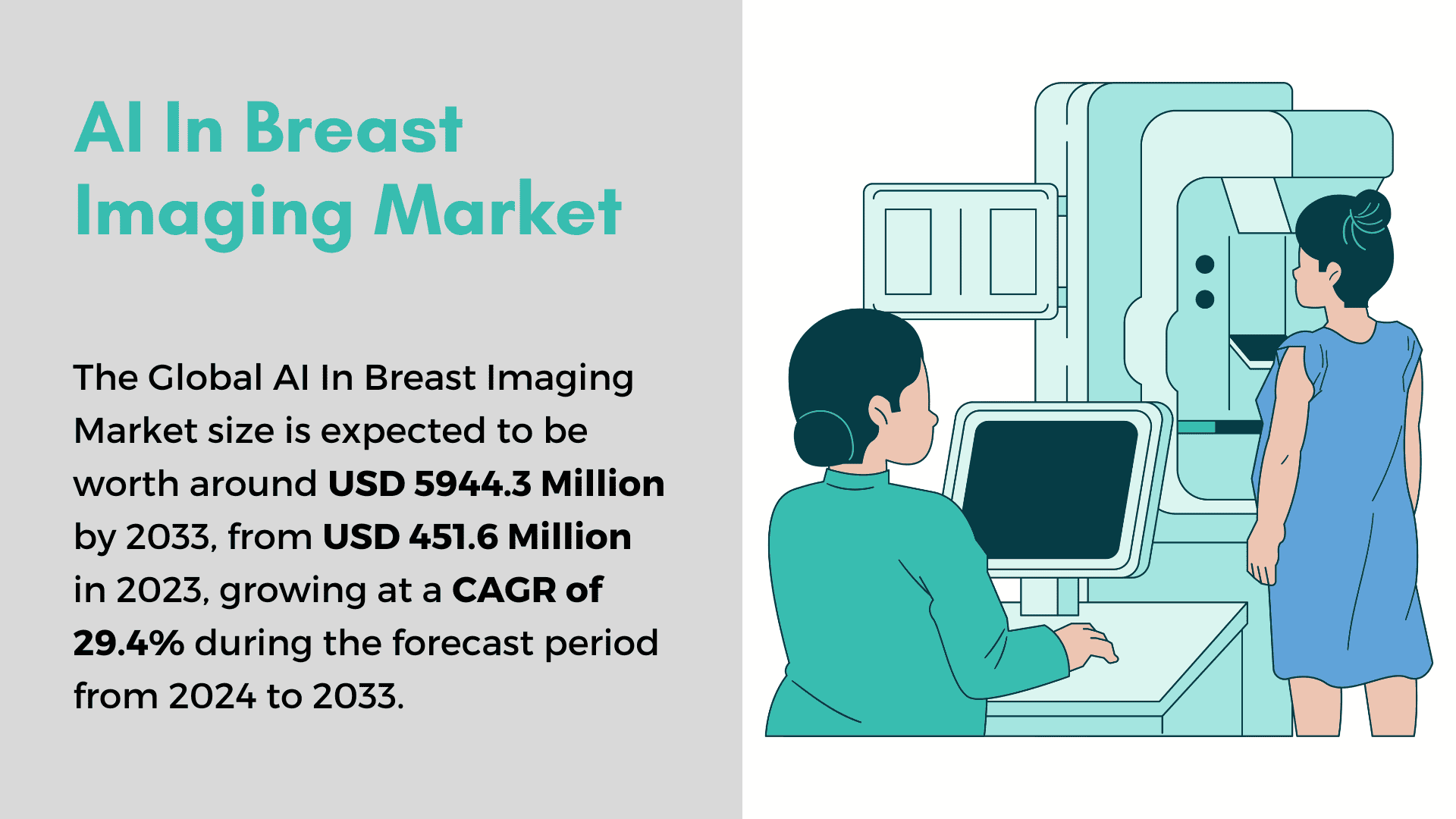
The global AI in breast imaging market is on a remarkable growth trajectory, projected to swell from USD 451.6 million in 2023 to an impressive USD 5944.3 million by 2033. This represents a compound annual growth rate (CAGR) of 29.4%, primarily driven by cutting-edge advancements in AI technologies that significantly enhance diagnostic accuracy, facilitate early detection, and boost healthcare efficiency.
Virtual real estate in metaverses is becoming a focal point for investors worldwide, with digital plots of land mirroring traditional real estate value based on location, size, and platform popularity.
Artificial intelligence (AI) and machine learning are at the forefront of revolutionizing in-vitro diagnostic (IVD) tools, redefining diagnostics and enhancing healthcare outcomes on multiple fronts.
As we edge closer to 2030, the life sciences industry stands on the threshold of transformative changes. With a global valuation exceeding $2 trillion, the sector is poised for significant growth, driven by technological advancements and an aging population.
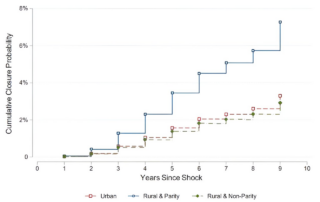
The advent of telehealth has revolutionized the way patients, particularly those in rural areas, access health care. By offering remote consultations and follow-up care, telehealth provides a convenient alternative to traveling long distances to urban hospitals. However, this technological advancement brings with it a set of challenges that could reshape the rural health care landscape.